CDN NEWS |
  US NEWS







Gas detection systems are an important part of facility safety management in the oil and gas industry. Their role is straightforward in principle: identify potentially dangerous combustible or toxic gas releases and alert personnel before the situation escalates.
But detecting gas is only the beginning.
Once a detector sends a signal, the facility’s safety monitoring and alarm system must determine what that signal means, how it should be presented to operators, and what information needs to be retained for troubleshooting, maintenance and future review.
That is where the design of the gas detection control panel becomes important.
A Gas Detector Is Only One Part of the System
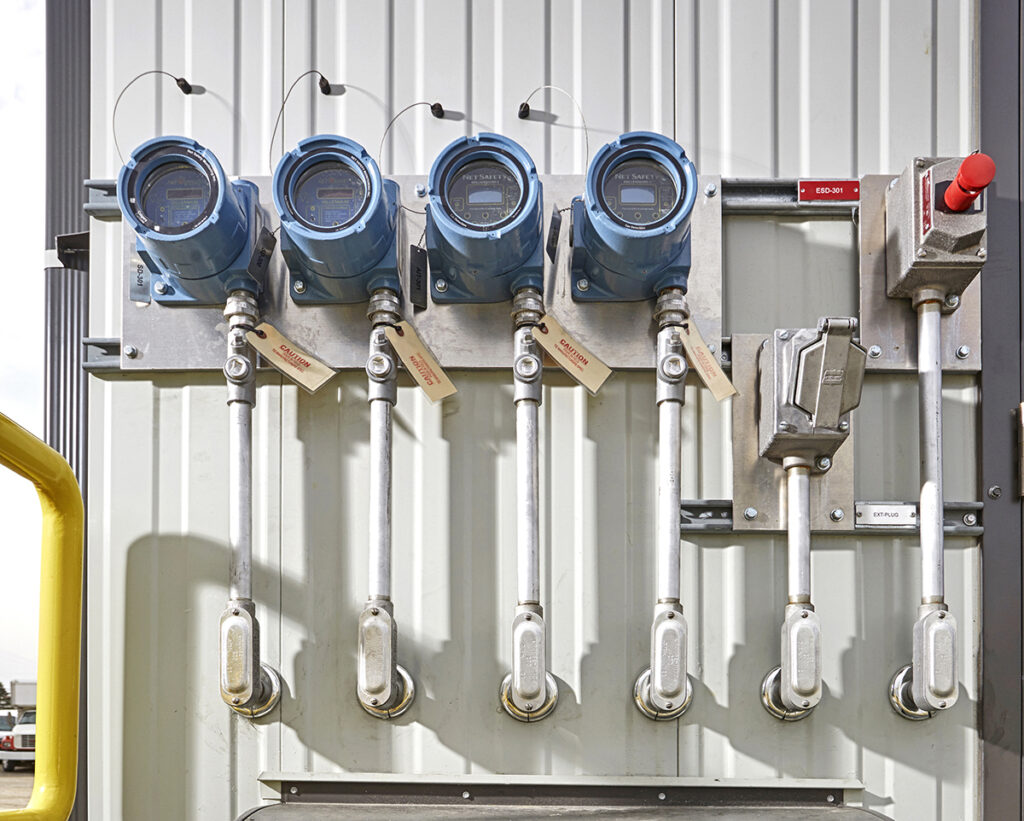
A facility may use multiple gas detectors installed throughout different process areas, buildings or equipment locations. Depending on the application, those devices may send analog or digital signals back to a central control panel.
The control panel must then process those signals and provide operators with clear information about what is happening in the field.
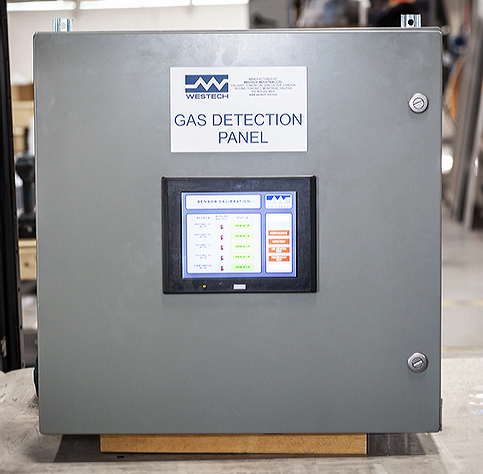
A well-designed system should help answer questions such as:
- Which detector is in alarm?
- What type of alarm has been triggered?
- Is the condition active or has it cleared?
- Does the alarm require immediate operator action?
- Is the detector operating normally or does it require maintenance or calibration?
Simply collecting signals is not enough. Operators need information that is organized in a way that allows them to understand the situation quickly.
Alarm Management Matters
One of the most important functions of a safety monitoring panel is how alarms are handled.
If every change in a detector signal produces the same type of alarm, operators can quickly be overwhelmed with information. A properly programmed system can help rationalize alarms so that the information presented through the HMI is meaningful and useful.
Depending on the application and customer requirements, alarms may need to be identified, displayed and stored so operators can review both current conditions and previous events.
The objective is not to create more alarms. It is to make sure the alarms that are generated provide clear information when personnel need it most.
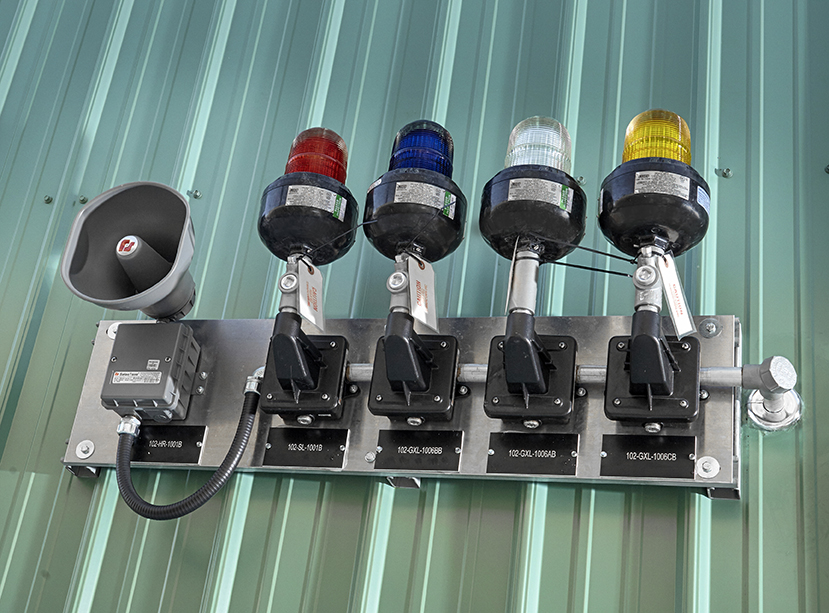
The HMI Should Support More Than Alarm Acknowledgement
The Human Machine Interface, or HMI, gives operators and maintenance personnel visibility into the gas detection system.
In addition to displaying active alarms, the HMI can be programmed to support functions such as:
- Detector status monitoring
- Alarm indication and acknowledgement
- Calibration activities
- Maintenance functions
- Review of alarm and event information
- Identification of detector or system faults
The exact functions should reflect the needs of the facility rather than relying on a one-size-fits-all design.
This is particularly important when a facility has multiple detection points or different types of gas monitoring equipment.
Maintenance Needs Should Be Considered During Design
Gas detection equipment requires periodic inspection, calibration and maintenance.
Those activities are easier when the control system has been designed with maintenance personnel in mind.
For example, the HMI can provide access to calibration and maintenance functions while giving technicians a clearer view of detector status. Alarm and event information can also help personnel investigate recurring issues or understand what occurred during a previous alarm condition.
Thinking about these requirements during the panel design stage can make the system easier to operate and support over its life.
Custom Programming Allows the System to Match the Facility
Every oil and gas facility is different.
The number of detectors, types of signals, alarm philosophy and operating requirements can vary considerably from one site to another. Because of that, gas detection control panels often require customized programming rather than a standard configuration.
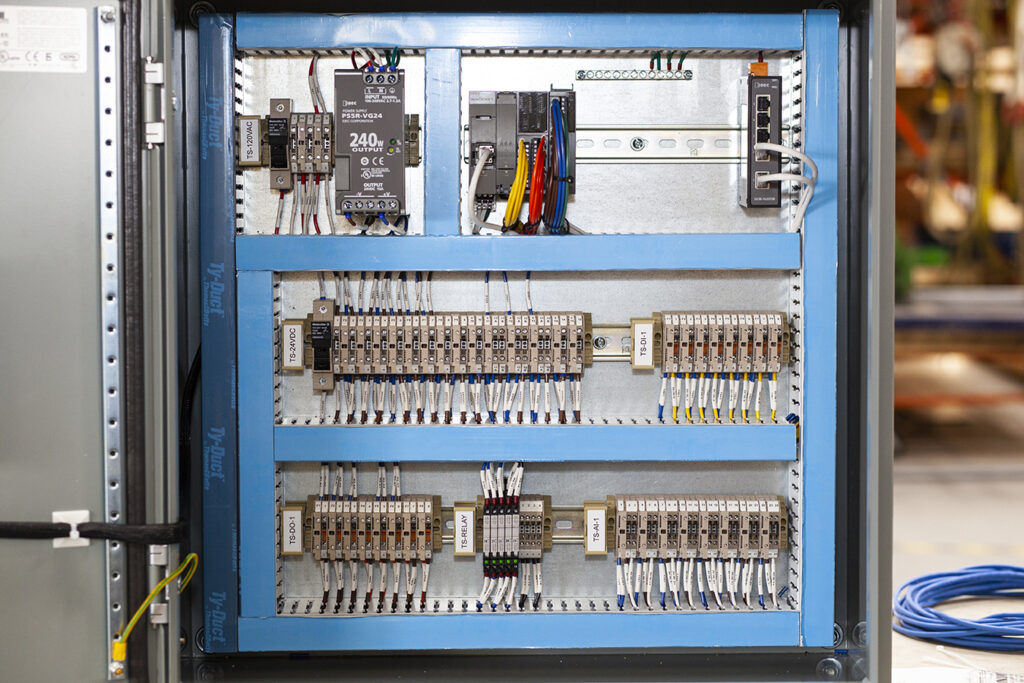
Westech Industrial designs gas detection panels using customized PLC programming based on the specific requirements of the application.
Analog and digital signals from field sensors can be processed through the panel, while alarms can be rationalized, displayed and stored through the control system. HMI functionality can also be configured to support calibration, maintenance and active alarm management.
The goal is to create a system that gives operators the information they need without making the system unnecessarily complicated.
Questions to Consider When Planning a Gas Detection Panel
Before designing or replacing a gas detection control panel, it can be helpful to consider a few practical questions:
- How many gas detectors will be connected to the system?
- What types of analog or digital signals will be received?
- How should different alarm conditions be prioritized and displayed?
- What information should operators be able to see on the HMI?
- What calibration and maintenance functions should be accessible?
- What alarm or event information should be retained?
- Will the system need to accommodate additional detection points in the future?
Answering these questions early can help ensure the finished panel supports both immediate safety requirements and long-term operation.
Designing the Panel Around the Application
Gas detection systems help protect personnel, equipment and operations, but the effectiveness of the system depends on more than the detectors themselves.
The control panel is where field information is brought together, processed and presented to the people responsible for responding to it.
For oil and gas facilities, that means the panel should be designed around the actual operating requirements of the site — from detector inputs and alarm handling to HMI functionality, calibration and maintenance.
Westech Industrial designs and manufactures custom safety monitoring and gas detection control panels for industrial applications, using PLC and HMI programming tailored to customer requirements.
For more information on Westech Industrial’s custom-fabricated control panel capabilities, visit westech-ind.com or contact [email protected] or call us today at 1-800-912-9262.
Share This: