


 CDN NEWS |
  US NEWS







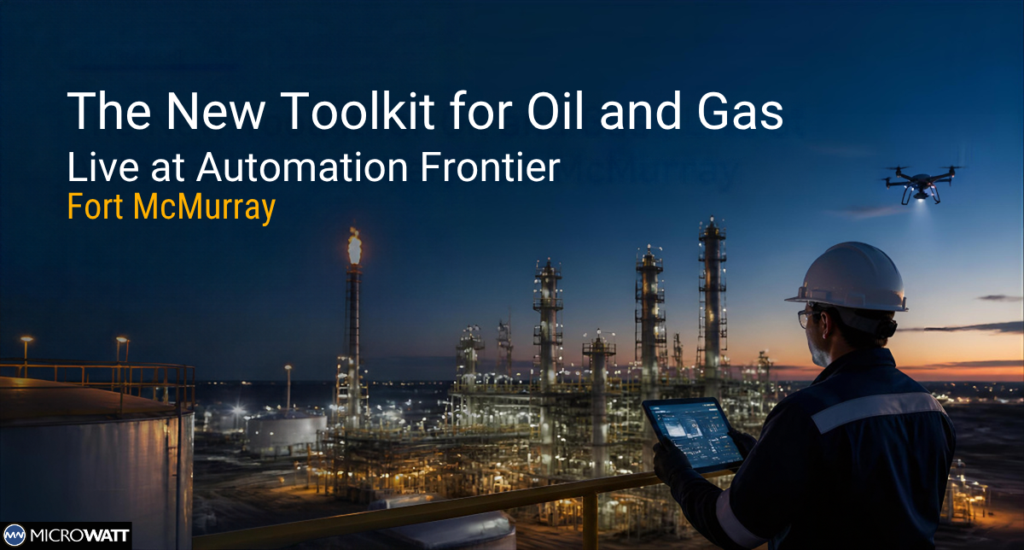
Non-destructive testing (NDT) has always been the backbone of asset integrity in oil and gas, but the tools used to find corrosion, cracking, and leaks are evolving quickly. A parallel wave of innovation is reshaping inspection itself: crawler-mounted sensor payloads, robotics for hazardous-area monitoring, AI platforms that orchestrate inspection data at scale, and handheld or drone-mounted sensors that turn invisible methane emissions into measurable, real-time data. For operators, the payoff is fewer shutdowns, lower inspection costs, and integrity data that is more complete and easier to act on.
Robotics and Crawler Systems
Robotic crawlers carry NDT sensors into pipes, tanks, and vessels people cannot safely or practically reach, displacing scaffolding and confined-space entry for many inspection tasks. Alongside crawlers, mobile inspection robots extend the same principle to plant-wide monitoring: Ex-certified tracked platforms run autonomous rounds in areas where explosive atmospheres would otherwise require strict entry procedures, while legged robots cover uneven terrain and multi-level facilities in general industrial zones.
Drones and Methane Detection
Aerial drones handle rapid visual survey of large or elevated assets, flare stacks, tank exteriors, and offshore topsides, without the cost and delay of scaffolding. Methane-specific detection has advanced sharply too: handheld and drone-mounted laser gas imagers now use tunable diode laser absorption spectroscopy to detect leaks as small as one gram per hour, pairing a visual camera to localize the exact emitting component. This class of sensor has become the first EPA-approved handheld technology for methane compliance under federal Alternative Test Method rules, and because the same sensor works both on foot and in flight, it gives operators one system for wide-area screening and component-level follow-up, with digital records generated automatically for regulatory reporting.
AI Software: Orchestrating Data at Scale
The most structural shift may be in the software layer. AI orchestration platforms are moving from powering individual devices toward unifying robots, drones, and sensors into a single operating layer that turns raw telemetry into verified insight, feeding automated flaw detection and streamlined reporting across the inspection program.
Join the Conversation in Fort McMurray
This shift in NDT, from crawler-mounted sensors to AI-driven inspection platforms, is exactly what industry professionals will be discussing in person at Automation Frontier 2026, taking place in Fort McMurray. Operators, technicians, and asset-integrity teams looking to see these technologies up close, compare approaches with peers facing the same inspection challenges, and get a first-hand look at where the industry is headed next are invited to attend. Registration details and the full event agenda are available at Automation Frontier 2026
Share This:






















On The Verge: Energy Sector Primed for New Wave of Growth – ATB Economics