CDN NEWS |
  US NEWS







Island Generation is being phased out, and Campbell River mayor Kermit Dahl says Vancouver Island residents will pay the price.
By Geoff Russ
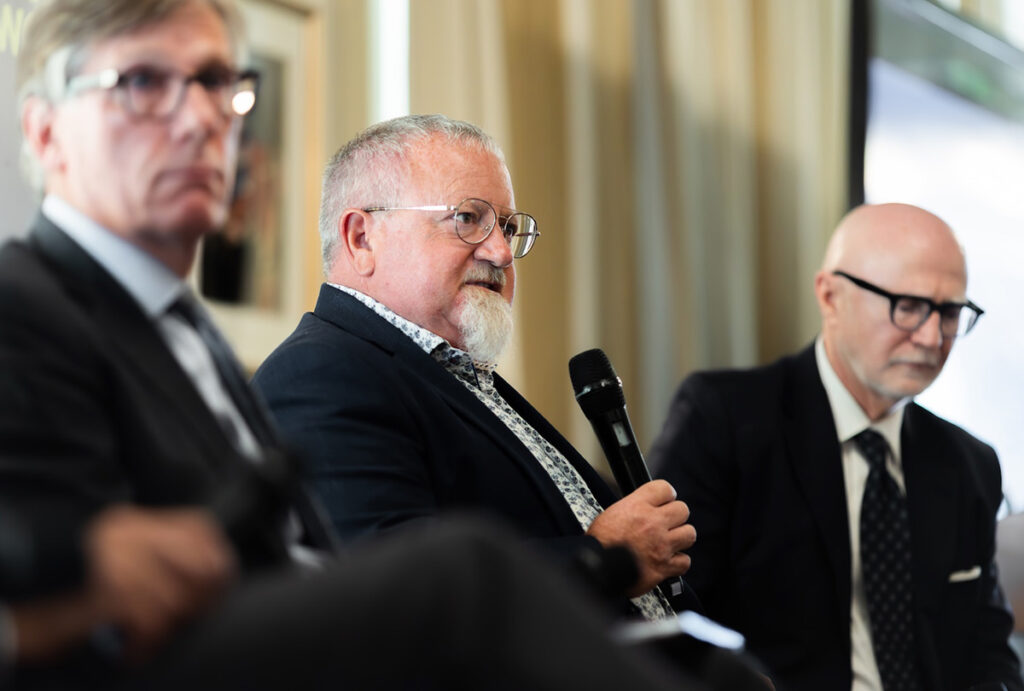
Campbell River Mayor Kermit Dahl at Get It Done BC last year.
By Resource Works
More News and Views From Resource Works Here
Campbell River Mayor Kermit Dahl says the planned closure of the Island Generation natural gas plant would leave Vancouver Island with fewer dependable options at a time when British Columbia is already leaning on imported electricity and facing cold weather spikes in demand.
In an interview Thursday, Dahl said he is worried the province is “narrowing our energy options” as winter temperatures drop below freezing and emergency warming centres are activated in communities such as Campbell River.
The warming centre at the Campbell River Community Centre was opened Feb. 17 and Feb. 18 in response to forecast sub zero temperatures, according to the Campbell River Mirror.
The backup power debate
Island Generation is a 275 megawatt combined cycle natural gas facility in Campbell River owned by Capital Power. Capital Power has said its electricity purchase agreement with BC Hydro runs through October 2026.
“Island Generation has been providing reliable backup power to Vancouver Island and Metro Vancouver for two decades,” Capital Power president and chief executive officer Brian Vaasjo said in a 2022 release announcing the current contract term.
BC Hydro has described the current agreement as short term backup while repairs are made to high voltage transmission cables between the Sunshine Coast and Vancouver Island, and has said it does not require a long term agreement with the plant to meet its system planning needs.
Dahl, however, said the plant plays an outsized role for the Island when demand rises.
“I think that we need natural gas options on Vancouver Island,” he said.
Economic rebuilding at risk
Dahl also criticized BC Hydro’s long term outlook, saying the utility has “said clearly that they have no plans to expand their power generation abilities in the next 20 years on Vancouver Island.”
He said that assumption runs against local efforts to rebuild an economy that has lost major industrial employers.



“For all of us that are trying to rebuild our economies after losing our saw mills and bulk mills, what do they think we’re going to do for the next 20 years?” Dahl said.
Dahl tied the debate to broader concerns about electricity supply and reliability, and said he has heard similar worries from outside his community.
“We talked to a developer from Victoria last month when we met with Adrian Dix, who talked about having issues in Victoria with having dependable power, basically browning out like you’re living in California,” Dahl said.
He said he believes the province is making choices now that will be hard to reverse later.
“Once they’ve made this decision, there is no turning back from this,” Dahl said. “And the ones that will pay the price will, of course, be Vancouver Island residents.”
The import reliance reality
The Island Generation question is landing amid a wider debate about B.C.’s import reliance. The Energy Futures Institute, chaired by former cabinet minister Barry Penner, has said B.C. has been a net importer of electricity for three straight years. The institute said total net imports in 2025 were 5,591 gigawatt hours, exceeding Site C’s expected annual output in a normal water year.
“Despite political pronouncements about the importance of ‘standing on our own two feet’ British Columbia continues to import substantial amounts of electricity from the U.S.,” Penner said in the institute’s release.
BC Hydro has not announced whether it intends to extend its purchase agreement with Island Generation beyond 2026. Capital Power has argued that the plant will continue to be needed for Island reliability after the current term.
Dahl said he is not opposed to new renewable generation, but argues it should not come at the expense of dispatchable backup.
“What do we do during that time?” he said, referring to the gap between rising demand and the time required to add new supply. “Wind, I think, is one of the least dependable power sources, right, so how does this make sense?”
Dahl said his immediate concern is ensuring Vancouver Island has firm capacity during cold snaps and other demand surges, and he framed the issue as one of practical planning rather than abstract targets.
“Natural gas is a pretty reliable supply of energy,” he said. “And in situations like this, where it does get below freezing, do we really want to be narrowing our energy options?”
Geoff Russ is a writer for Resource Works, a non-partisan organization that champions responsible resource development in British Columbia and Canada. Reach Geoff at [email protected].
Share This: