CDN NEWS |
  US NEWS







The province’s power imports are drawing renewed scrutiny as BC Hydro faces rising demand, a growing connection backlog, and reliability warnings heading into 2026.
By Geoff Russ
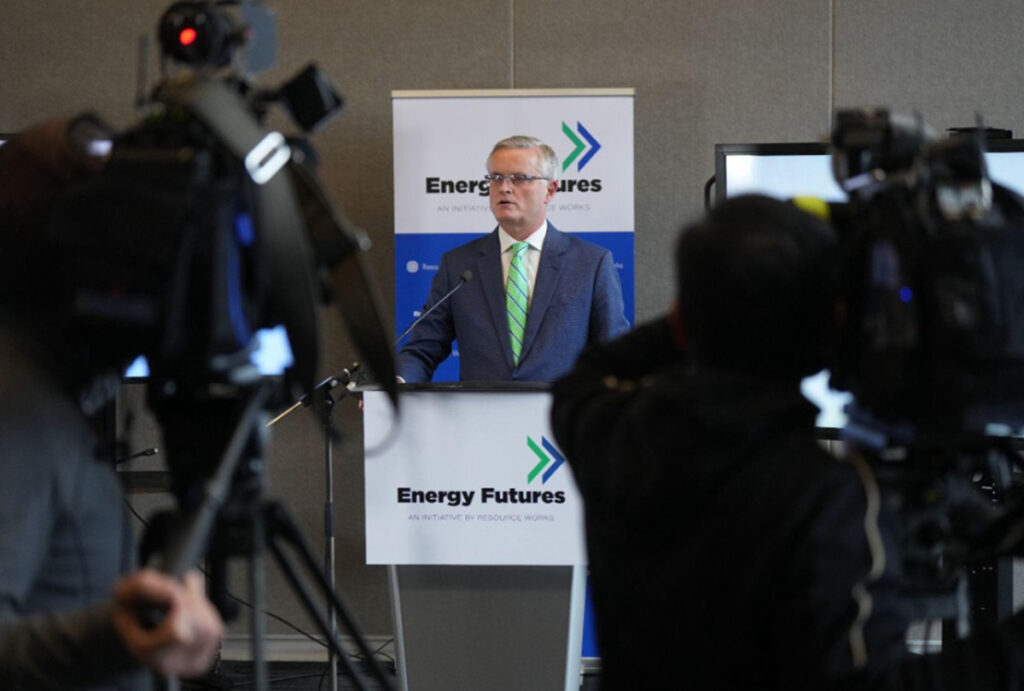
Energy Futures Institute Chair Barry Penner.
Warnings that British Columbia’s energy grid is losing its independence have been renewed as more electricity was imported into the province this year.
The Energy Futures Institute said in a news release Tuesday that B.C. has been a net importer of electricity for a third straight year, and that the trend raises questions about whether planning is keeping pace with growing demand and reliability requirements.
“Despite political pronouncements about the importance of ‘standing on our own two feet’ British Columbia continues to import substantial amounts of electricity from the U.S.,” said Barry Penner, the institute’s chair and a former B.C. cabinet minister.
“This isn’t a one-off,” Penner added, arguing the province has now relied on net imports for three consecutive years.
Imports exceed Site C output
According to the new data obtained by the institute, BC Hydro imported another 500 gigawatt hours of electricity last month, bringing total net imports for 2025 to 5,591 gigawatt hours, a figure it said exceeds the expected annual output of the Site C hydroelectric project in a normal water year.
Site C is designed to produce about 5,100 gigawatt hours of electricity each year.
BC Hydro filings cited by Global News show the utility imported 13,600 gigawatt hours of electricity in fiscal 2024 at a cost of nearly $1.4 billion.
In the same story, Penner told Global News it was “very disturbing” that the province was relying on about 25 per cent of its electricity from outside B.C., and he pointed to the United States as the main source.
Drought or structural deficit?
B.C.’s Energy Minister Adrian Dix has attributed recent import levels to multi-year drought conditions affecting hydro generation, saying the province has a significant hydro system and needs to build more clean energy to meet demand.
Dix has also said that while drought has had an impact, B.C. has made a net profit on electricity trade in recent years because it can import when power is cheap and export when it is expensive.



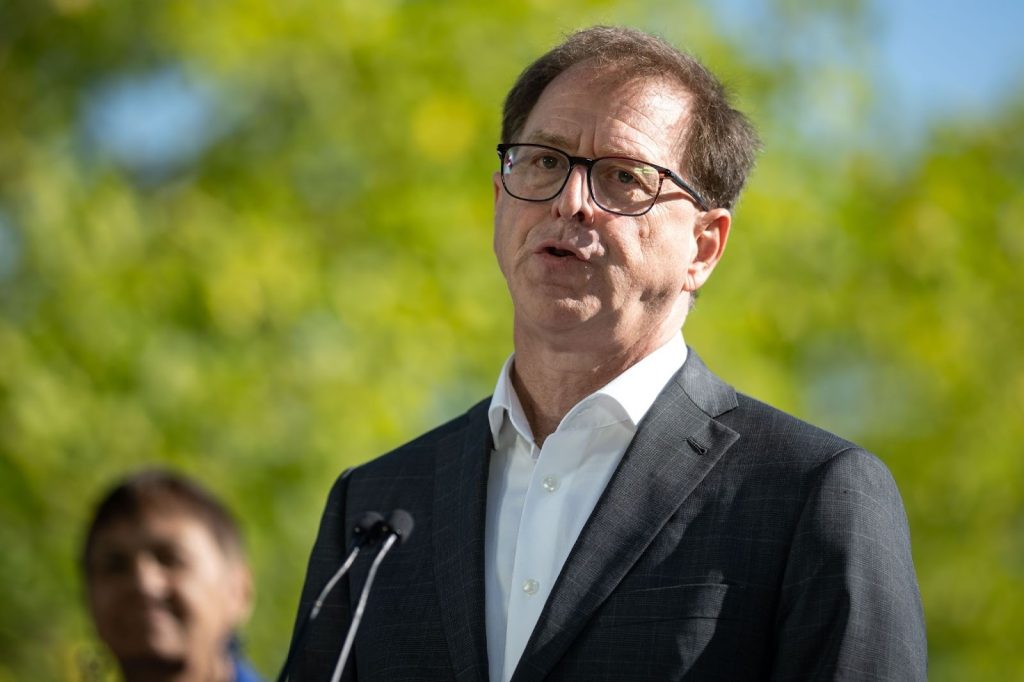
B.C. Minister of Energy and Climate Solutions Adrian Dix speaks during a press conference in Vancouver, B.C., Monday, July 28, 2025. THE CANADIAN PRESS/Ethan Cairns.
The Energy Futures Institute, however, said import dependence is not an abstract issue, citing BC Hydro reporting to the B.C. Utilities Commission that the costs of imported electricity exceeded $2 billion across the combined 2023-24 and 2024-25 fiscal years.
In a separate December briefing, the institute said BC Hydro imported 2,041 gigawatt hours on a net basis during the first six months of its 2025-26 fiscal year, and that a Freedom of Information disclosure showed a backlog of 7,291 megawatts of requested electrical service waiting in the utility’s connection queue, with most of the total tied to industrial loads such as mines, LNG facilities and data centres.
“These are not the indicators of a utility with excess capacity,” Penner said in that release, citing rising debt and operating costs as additional pressures.
Reliability risks rising in 2026
Concerns about reliability have also surfaced in North American grid forecasting.
Last year, Resource Works cited the North American Electric Reliability Corporation’s annual forecast, which said for British Columbia “energy risks increase in 2026 as forecasted demand increases and natural-gas-fired generation retires.”
In that same release, Penner warned that if the system “ceases to be reliable,” the province could face an energy crisis with significant impacts for residents and businesses.
A call for a realistic plan
In 2024, B.C.’s growing electricity demand, combined with policies encouraging electrification, was already outpacing domestic production and contributing to import reliance. There were also constraints on the distribution grid and the need for infrastructure upgrades to support housing and industrial growth.
Penner said Tuesday that “if we truly want greater economic independence, we need a realistic energy plan that accounts for demand growth and the reliability of future supply, not just aspirational goals.”
He also urged the province to rethink policies that drive additional electricity demand, including building electrification measures and vehicle sales mandates, and to focus more on system reliability and affordability.
Resource Works News
Share This: