CDN NEWS |
  US NEWS







By Jason Chiu
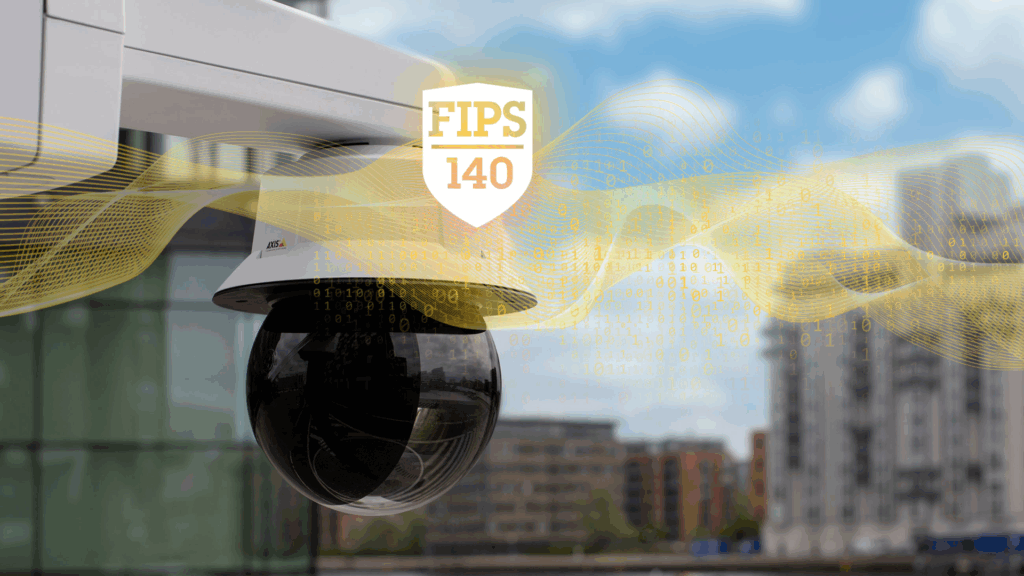
Cybersecure Axis Q6318-LE Overlooking Riverside
From upstream production facilities to downstream distribution networks, energy providers are responsible for monitoring operations that span remote terrains, harsh climates, and tightly regulated urban facilities. The need for centralized visibility, seamless coordination, and real-time control across these diverse environments has never been more critical – especially as systems become more connected and disruptions more costly. Maintaining oversight across these complex networks requires centralized monitoring capabilities that are not only technologically advanced but also reliable, secure, and designed to support human performance in high-stakes conditions.
Effective surveillance environments combine real-time video monitoring, intelligent analytics, seamless integration with industrial systems, and strong cybersecurity controls – all while supporting the physical and cognitive needs of operators who keep systems running around the clock. Designing such workstations calls for a holistic approach that blends operational resilience with future-ready flexibility.
Supporting Multi-Site Visibility Through Scalable Systems
Energy systems are often remote and varied – refineries, substations, solar installations, and pipeline nodes. Monitoring them in isolation can lead to fragmented oversight and slower response times. A central surveillance workstation should bring all these pieces together into a clear, unified view to ensure operators can make timely, informed decisions and coordinate actions across sites without delay.
What to look for:
- Support for various camera types across different environments
- Real-time dashboards with visual mapping and location tagging
- Centralized video storage and retrieval, accessible from any monitored site
- Cloud or hybrid options to manage transmission and storage of video, while considering network performance
Scalable design allows the system to grow alongside the operation – especially important as renewable assets and remote facilities come online.
Real-Time Video Analytics and AI Enablement
Surveillance today goes far beyond passively monitoring camera feeds. With advancements in artificial intelligence and machine learning, modern systems can now interpret video in real time – detecting unusual activity, flagging potential threats, and even anticipating equipment failures. This shift allows operators to spend less time watching screens and more time responding to meaningful alerts that support safety, security, and operational continuity. The ability to perform analytics at the edge enhance the capabilities of a system while not requiring large amounts of video data to be sent to a local server first, then analyzed.
Examples of useful features:
- Intrusion detection in off-limits zones
- Tracking of vehicles or personnel across site boundaries
- Thermal imaging to catch overheating equipment early
- Object recognition to identify specific types of movement or behavior
- Centrally managed and monitored access control features including card access, video intercoms, and license plate recognition
When linked with control systems such as SCADA (Supervisory Control and Data Acquisition), these analytics can also confirm operational events, like a pressure drop or valve activation, with visual evidence.
Seamless Integration with Industrial Systems
Energy operations rely on systems like SCADA to automate and control complex processes. The surveillance workstation needs to integrate smoothly with these platforms to support safety and operational efficiency.
Best practices include:
- Two-way communication between security and operational systems while limiting cyber-security exposure between respective systems
- Unified alarm management so both safety and process alerts are handled together
- Compatibility with access control, fire safety, and perimeter systems
Choosing open standards like Open Network Video Interface Forum (ONVIF) and Open Platform Communications Unified Architecture (OPC UA) helps ensure that different tools and systems can talk to each other.
Ergonomic and Operator-Centric Design
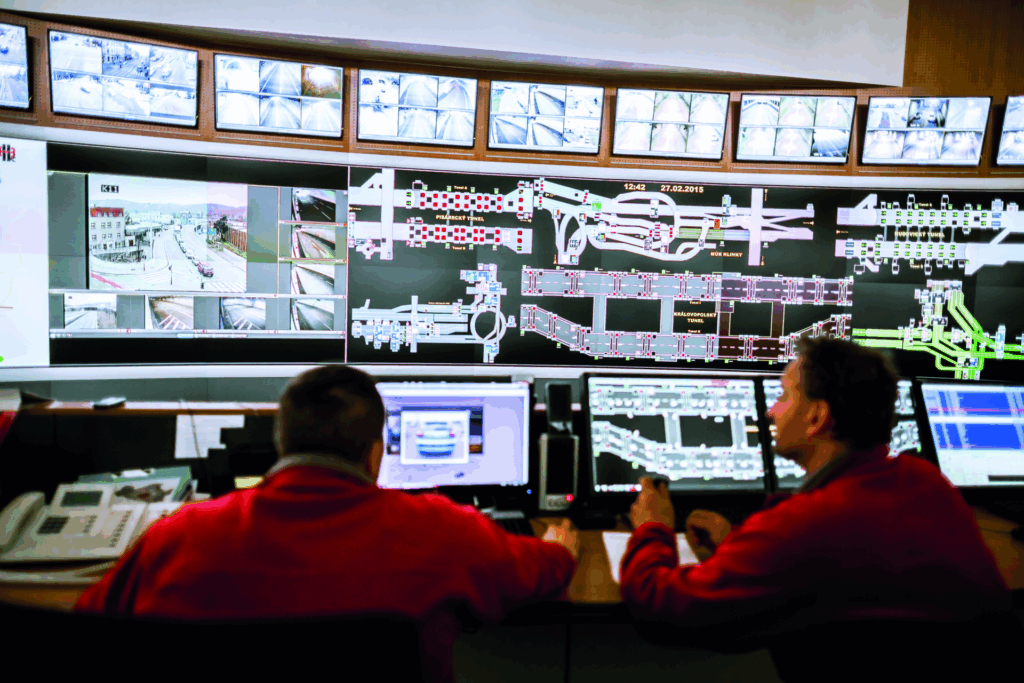
Control Room Oversight
Control room operators often work long hours, monitoring data and responding to alerts in real-time. A workstation that supports their comfort and focus can make a big difference in performance. “CCTV blindness” can occur when operators are looking at large quantities of cameras, and may miss critical events.
Helpful features include:
- Adjustable furniture and monitor setups to reduce physical strain
- Controlled lighting to reduce eye fatigue
- Thoughtful screen layouts that match natural scanning patterns
- Acoustic treatments to minimize background noise and distractions
- Use of analytic overlays and alarms that call attention to events or pop up video to prevent CCTV blindness
Designing with the operator in mind helps maintain attention, reduce stress, and support better decision-making over long shifts.
Cybersecurity and Remote Access Controls
Allowing remote access is essential for today’s distributed energy networks – but it also opens the door to potential threats. For energy infrastructure, even a small cybersecurity breach can have serious consequences.
To stay secure, consider:
- End-to-end encryption for video and data
- Multi-factor authentication (MFA) or Single Sign-on (SSO) for users connecting remotely
- Role-based access so people only see what they’re authorized to
- Regular software updates and patch management to fix vulnerabilities
- Signed video to ensure video is authentic and maintains chain of custody in the event that footage is required in forensics or legal proceedings
Following industry standards like NERC CIP or ISO/IEC 27001 can help guide security planning and reduce risk.
Redundancy and Disaster Recovery
Energy operations need to keep running – no matter what. That’s why control rooms should be designed to stay online during outages, equipment failures, or cyberattacks.
Redundancy strategies include:
- Backup servers and data routes to keep things running if something fails
- Uninterruptible power supplies (UPS) and battery backups
- Offsite data replication for disaster recovery
- Health monitoring systems that flag issues before they escalate
By planning for the unexpected, energy companies can maintain visibility and control even during disruptive events.
Future-Proofing Surveillance Infrastructure
The energy industry is going through big changes – from smart grids and electrification to new environmental and regulatory pressures. Surveillance workstations need to be ready for what’s next.
Things to consider:
- Edge computing to process data locally and reduce delays
- Support for IoT devices like smart sensors and monitors
- Modular hardware/software that can be upgraded over time
- Remote system management and predictive maintenance tools
Flexible systems mean energy operators can evolve without having to rebuild from scratch.
Conclusion: Building Resilient, Responsive Control Rooms
Surveillance workstations have become essential to the daily operations of energy providers. No longer limited to camera feeds, today’s control rooms bring together security, analytics, and automation in one powerful platform.
Success depends on more than just good tech. The best workstations are secure, ergonomic, reliable, and ready to grow. With the right mix of smart systems and human-centered design, operators can respond faster, make better decisions, and keep energy flowing safely and efficiently.
Looking ahead, these control rooms will remain the heart of operations – empowering teams to monitor, manage, and protect critical infrastructure with clarity and confidence.
Jason Chiu is the Professional Services Group Manager with Axis Canada. He has a background in IT and networking and has spent over 15 years in the security industry, from being an integrator, consultant and manufacturer. Jason is an ASIS board Certified Protection Professional (CPP) and Physical Security Professional (PSP). Trained in Critical Infrastructure Protection (CIP) and Crime Prevention Through Environmental Design (CPTED Levels 1 & 2). (ISC)2 Certified in Cybersecurity.
Share This: