


 CDN NEWS |
  US NEWS









Boiler trim selection may seem straightforward—but overlooking key details can lead to non-compliance, poor visibility, or even unsafe operations. In the Reliance Reliable Solutions video, shown below, Clark-Reliance Product Manager Nate Klein walks us through the essential steps to properly select boiler trim that aligns with ASME code requirements and your specific site conditions.
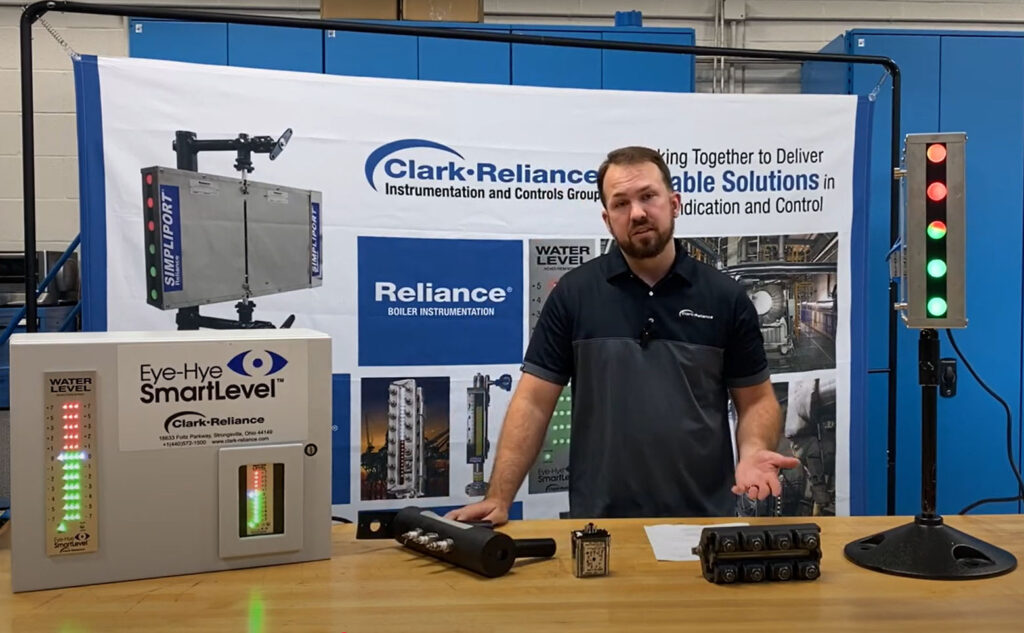
Whether you’re working with high-pressure steam systems or low-pressure industrial boilers, Nate breaks down the critical distinctions between direct reading gauges and remote level indicators, and explains how to determine which is right for your installation.
Understanding Your Level Indication Options
Direct reading gauges provide a physical view of the water level inside the boiler drum. These include:
- Prismatic Gauges (e.g., RC and RS Series)
- Flat Glass / Transparent Gauges
- Port/Bi-Color Gauges, which use light refraction for visibility
In contrast, remote level indicators transmit water level data electronically or mechanically to a separate display. Common types include:
- Smart Level Systems (with probe columns)
- Magnetic Level Indicators
- Guided Wave Radar Systems
- Differential Pressure Transmitters
Meeting ASME Section I Code Requirements
ASME guidelines determine which equipment is acceptable based on boiler design pressure:
- Under 400 PSI: At least one direct reading gauge must be in service and visible to the operator.
- Over 400 PSI: At least two direct reading gauges are required—or one gauge and two remote indicators if the gauge is not operator-visible.
The operator must always have a clear view of the water level from the control point. Remote systems may supplement gauge glasses, but cannot replace the code-mandated visibility requirements unless all criteria are met.
What You’ll Need to Specify the Right Trim
To select and specify boiler trim equipment accurately, gather the following:
- Design Pressure and Temperature (from the boilerplate or OEM documentation)
- Visible Operating Range (must cover all alarms and trip levels)
- Connection Sizes, Types, and Center-to-Center Dimensions
- Viewing Arrangement Constraints (e.g., pipework, handrails, structural obstructions)
- Power Supply Requirements (if applicable)
- Environmental Conditions:
- Indoor vs. outdoor installation
- Corrosive environments (e.g., NEMA 4X enclosures)
- Hazardous area classifications
- Extreme temperature exposure
Existing equipment drawings or online order spec sheets (available at boilertrim.com) can also help ensure accuracy in your selection.
Need Support? Westech Industrial Can Help
From ASME compliance to field layout challenges, selecting the correct boiler trim isn’t just about product choice—it’s about ensuring long-term performance and operator safety. If you need assistance with selecting boiler trim, or would like to schedule a site survey, Westech Industrial is here to help.
As the authorized distributor for Clark-Reliance products in Canada, Westech Industrial offers the full line of gauge glasses, remote level indicators, and accessories—along with technical expertise and field support to match.
▶ Watch the full video above to hear Nate Klein walk through each step in detail, and when you’re ready to upgrade or replace your boiler trim solutions, contact Westech Industrial for expert guidance and supply.
🔍 Complimentary Boiler Survey Available
Westech Industrial offers a no-cost boiler survey service to help you identify the correct trim products for your site and ensure ASME compliance.
Visit our boilertrim.com to learn more, or call us at 1-800-912-9262 to speak with a specialist today.
Share This:























THE GEOTHERMAL OPTION: B.C.’s Overlooked Firm Power Option: What the Geothermal Evidence Shows – Resource Works