


 CDN NEWS |
  US NEWS









By Jason Chiu
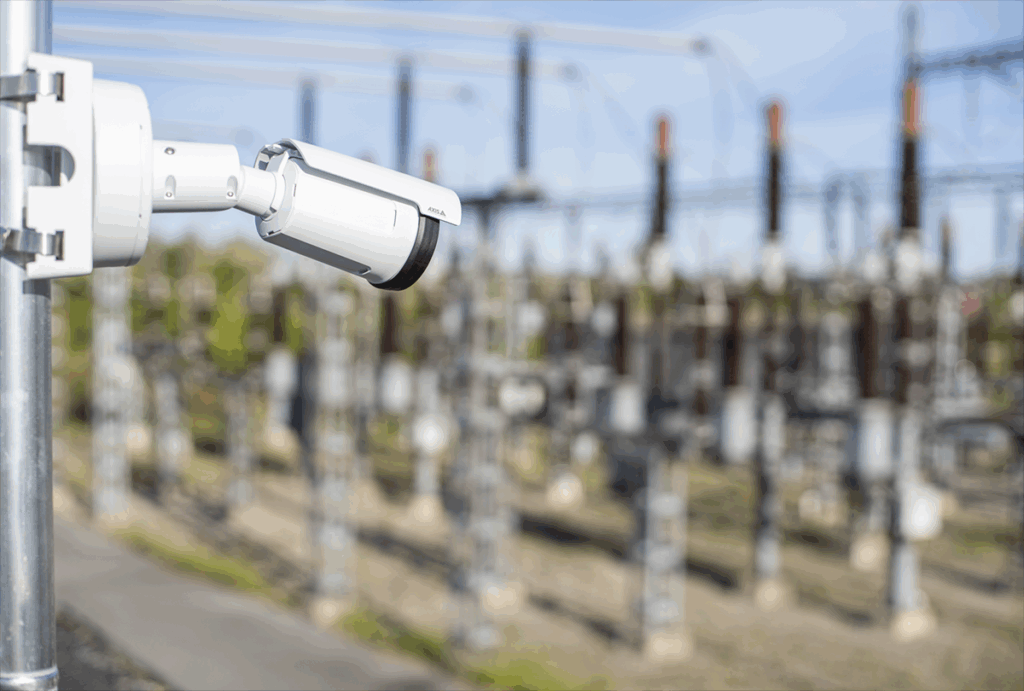
As renewable energy becomes a cornerstone of global energy strategies, the infrastructure that supports solar, wind, and other sustainable generation must also evolve to reflect the sector’s foundational values: efficiency, resilience, and environmental responsibility. One often overlooked, yet critically important, area in this evolution is the security and monitoring systems used to protect and manage renewable installations. Increasingly, the technologies enabling modern surveillance are being designed with sustainability and long-term cost-effectiveness in mind – offering significant value beyond their traditional security roles.
Today’s surveillance systems have matured into sophisticated, networked tools that not only enhance physical security but also contribute to improved operational efficiency, reduced environmental impact, and a lower total cost of ownership (TCO). For operators of renewable energy projects – especially those managing large, distributed assets like solar farms and wind turbine fields – these advanced technologies provide a unique opportunity to align physical infrastructure with green energy ideals.
By integrating multiple operational functions into a single, efficient system, these technologies reduce the need for separate infrastructure and redundant spending, directly lowering TCO from the outset.
Meeting the Demands of Green Infrastructure
Renewable energy installations often span wide geographic areas and are frequently located in remote, hard-to-access environments. These characteristics pose challenges for both security and operations: threats range from equipment theft and vandalism to wildlife interference and unauthorized access, while routine inspections and diagnostics can be labor-intensive and costly.
To meet these demands, modern surveillance technologies have evolved beyond simple video recording. They now incorporate high-resolution imaging, thermal detection, embedded analytics, and edge-based computing capabilities – all of which enable proactive monitoring and incident response without relying on constant human oversight. Thermal cameras like the Axis Q1961-TE Thermal Camera can detect overheating components; the Q1972-E can spot intrusions in low-visibility conditions; while edge-enabled models such as the Q1808-LE support localized processing and video analytics with optimized performance in all types of conditions and at long range. These technologies allow operators to stay ahead of threats and performance issues while reducing unnecessary site visits.
This proactive approach to monitoring reduces incident-related losses, cuts down on emergency service calls, and extends equipment lifespan – all critical factors in lowering overall TCO.
Built for Efficiency: Reducing Energy and Maintenance Burdens
At the heart of these next-generation systems is an emphasis on energy efficiency. Many devices are now engineered to consume minimal power and bandwidth, making them well-suited to off-grid or renewable-powered applications themselves. Surveillance hardware can be integrated with solar-powered installations or operate within low-power networks, reducing their energy footprint and supporting alignment with site-level sustainability goals.
Cameras like the Axis M3216-LVE, which balance power efficiency with remote management capabilities, help operators maintain visibility across large or distributed sites without introducing new power burdens.
In addition, modern surveillance platforms support remote access and management capabilities that significantly reduce the need for on-site service. Through secure network connectivity, administrators can monitor performance, receive alerts, conduct diagnostics, and even update firmware from central or distributed control rooms. This not only saves on travel time and vehicle emissions but also reduces downtime, extending the functional lifespan of the equipment.
Routine maintenance and system health checks – once a significant operational burden – can now be handled proactively with minimal human intervention. Many systems incorporate self-monitoring features and diagnostics that flag issues before they escalate, further reducing the need for reactive service calls and component replacement.
The combined effect of lower energy use, fewer service visits, and longer equipment life results in dramatically reduced operational and maintenance costs – key components of a reduced TCO.
Open Architecture for Scalability and Flexibility
Another core value of modern surveillance solutions is their use of open architecture design. Open standards ensure compatibility with a broad-range of third-party systems, from video management platforms to access control and alarm systems. This interoperability not only reduces vendor lock-in but also enables future upgrades without the need to replace entire systems.
For renewable energy operators, the ability to scale and adapt systems to meet new requirements is vital. As regulatory demands evolve, site configurations expand, and new threats emerge, having a flexible surveillance backbone ensures long-term viability. Systems designed with modularity and compatibility in mind can accommodate new cameras, analytics features, and management tools without major capital outlay or infrastructure overhauls.

The ability of devices to communicate using open IoT protocols like Message Queuing Telemetry Transport (MQTT) to transmit and display information in other systems, like a Supervisory Control and Data Acquisition (SCADA) system can also provide additional intelligence and ability to respond to incidents quickly and efficiently.
This future-proofing approach minimizes capital expenditures over time, allowing energy providers to maximize the return on their initial investment and reduce lifecycle costs.

Designed with the Environment in Mind
In additional to operational sustainability, some surveillance solutions are now developed with explicit environmental design principles. This includes eco-conscious manufacturing practices, such as using recycled materials, minimizing hazardous substances, and adopting energy-efficiency production processes.
Product lifecycle transparency is becoming more common, offering detailed information on materials used, environmental impact, and end-of-life handling recommendations. This supports circular economy goals and allows operators to make informed purchasing decisions based on the sustainability of the entire product lifecycle.
Moreover, certain surveillance manufacturers are beginning to implement circular design principles: designing products that are easier to repair, upgrade, and recycle. By reducing the amount of electronic waste generated and facilitating responsible disposal and refurbishment, these practices further align with the sustainability goals of renewable energy providers.
Environmentally conscious design contributes to TCO reduction by promoting durability, serviceability, and responsible end-of-life practices that minimizes replacement and disposal costs.
Enhancing Safety, Accountability, and Data-Driven Decision Making
While the environmental and operational benefits of sustainable surveillance are clear, the systems also play a critical role in ensuring the safety and accountability of site personnel and contractors. Integrated analytics can detect unusual behavior, monitor safety compliance, and provide visual verification during maintenance activities – offering a digital trail that supports auditing, incident analysis, and regulatory compliance.
In the context of wind turbines, for instance, video analytics can help verify that climbing protocols are followed, while thermal imaging can detect overheating components before they fail. On solar farms, perimeter monitoring can be combined with AI-based detection algorithms to distinguish between animals, humans, and vehicles, minimizing false alarms while enhancing security. Thermal cameras at solar farms can detect whether temperatures are even across solar panels, perhaps signaling the need to clean or adjust panels for optimal production.
All this data can be aggregated and analyzed over time, providing insights that go beyond security. Patterns of activity, equipment usage, and environmental conditions can be integrated into broader asset management systems, empowering energy providers to make more informed operational decisions.
These intelligent insights lead to smarter resource allocation and preventive maintenance, both of which reduce costs associated with equipment failure, downtime, and compliance violations – further driving down TCO.
A Smart Investment for the Long Term
Ultimately, the adoption of intelligent surveillance solutions designed with sustainability and cost efficiency in mind represents more than just a security upgrade – it’s a strategic investment. For renewable operators, these systems reduce the need for resource-intensive site visits, lower energy consumption, extend the lifespan of infrastructure, and align with corporate environmental goals.
As the renewable energy sector continues to grow and mature, the supporting technologies must keep pace – not only in capability but in principle. Sustainable surveillance offers a unique intersection of innovation and responsibility: securing our energy future while minimizing its cost to the planet.
By choosing solutions that are efficient, scalable, and environmentally responsible, renewable energy operators can maintain high levels of protection and performance – without compromising on budget, sustainability, or long-term value.
BIO
Jason Chiu is the Professional Services Group Manager with Axis Canada. He has a background in IT and networking and has spent over 15 years in the security industry, from being an integrator, consultant and manufacturer. Jason is an ASIS board Certified Protection Professional (CPP) and Physical Security Professional (PSP). Trained in Critical Infrastructure Protection (CIP) and Crime Prevention Through Environmental Design (CPTED Levels 1 & 2). (ISC)2 Certified in Cybersecurity.
Share This:























THE GEOTHERMAL OPTION: B.C.’s Overlooked Firm Power Option: What the Geothermal Evidence Shows – Resource Works