CDN NEWS |
  US NEWS







By Jim Kolbus, Senior Product Manager at Clark Reliance
 Using and maintaining the water-level instrumentation on your boiler is of vital importance for the safety of your plant personnel and the longevity of the equipment in your plant.
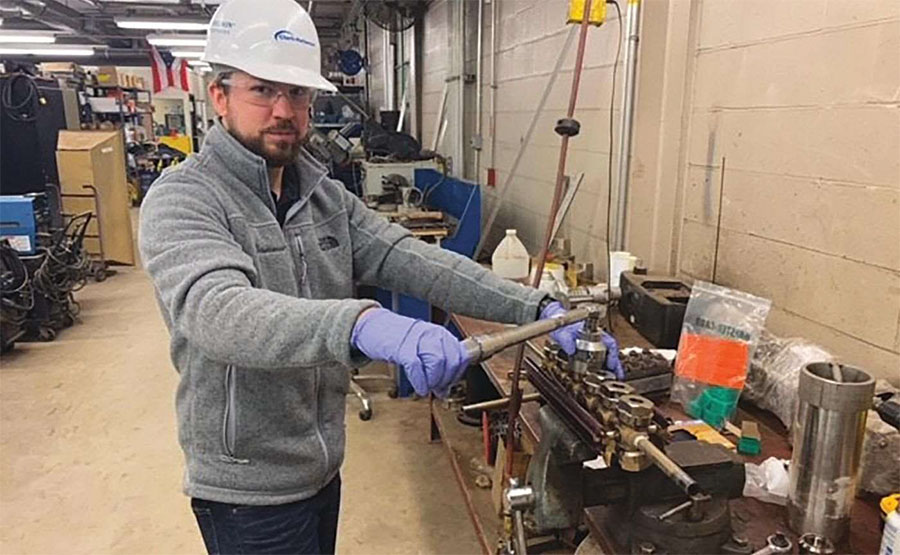
Figure 1: Servicing a water gage glass with a calibrated torque wrench.
The ASME Boiler and Pressure Vessel Code has several sections that define the requirements for the water-level instrumentation applied to boilers that are constructed to this code. The relative codes are as follows:
- Section I: Rules for the Construction of Power Boilers Operated Above 15 psi;
- Section IV: Rules for the Construction of Power Boilers Operated Up to 15 psi: and
- Section VII: Recommendations for the Proper Care of Power Boilers.
In addition to these code references, your local jurisdiction inspector or insurance carrier can provide the necessary information for the minimum water-level instrumentation that is required for any typical boiler type in your specific location.
Most of you will likely be interested in boilers that operate above 15 psi. For these applications, ASME Sections I and VII provide a wealth of helpful information. For example, all boilers in this category must be equipped with at least one water gage glass. A gage glass is always required instrument on these boiler applications, no matter how many water-level transmitters are installed. The gage glass is there to provide a ready reference for the operator. It can also be used as a referee in a situation when multiple remote level transmitters begin to disagree with each other and help to determine which instrument is operating accurately.
Furthermore, these codes address the piping requirements for connecting these instruments to the boiler, including minimum pipe sizes, isolation and drain valve requirements, and many other details. It would be advisable for anyone responsible for operating, maintaining, or specifying boilers or level instrumentation to become familiar with these codes and the relative subsections for level instrumentation.
It is wise for maintenance personnel or operators to inspect their level instrumentation routinely. The identification and remedy of any concerns can affect safety. Even correcting a minor valve or missing insulation before problems arise are responsible remedies that may prevent more serious events. Steam production is a serious business. It should be respected and command the appropriate amount of attention from the personnel in the plant.
When it comes to the commissioning or servicing of these instruments, never guess. Several major manufacturers offer helpful information on their website for proper procedures and detailed instructions. Westech Industrial also supplies 24/7-hour support so if you need help you can call 1-800-912-9262.
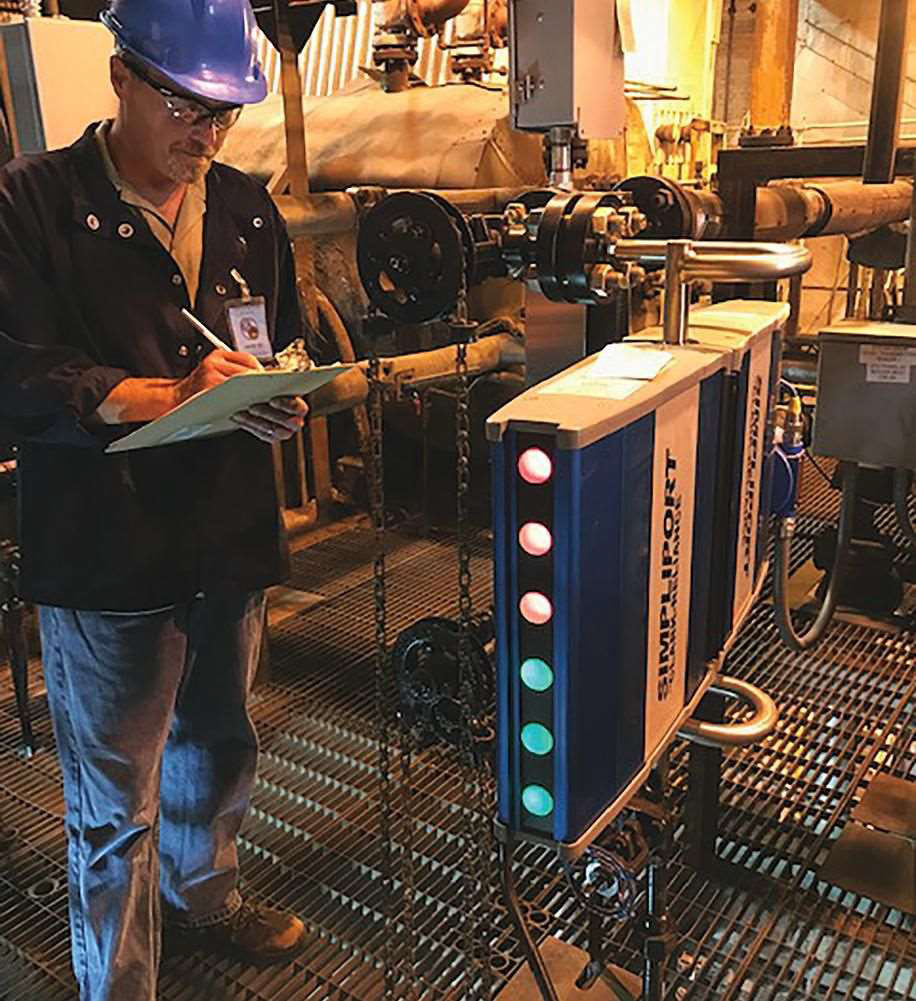
Figure 2: Inspecting water-level instrumentation.
The use of appropriate tools and calibrated torque wrenches are another important step to conducting successful repairs. Be safe and devote the time to investigate how to do these repairs safely and correctly. Also, the original OEMs, or their representatives, will have access to the most current information.
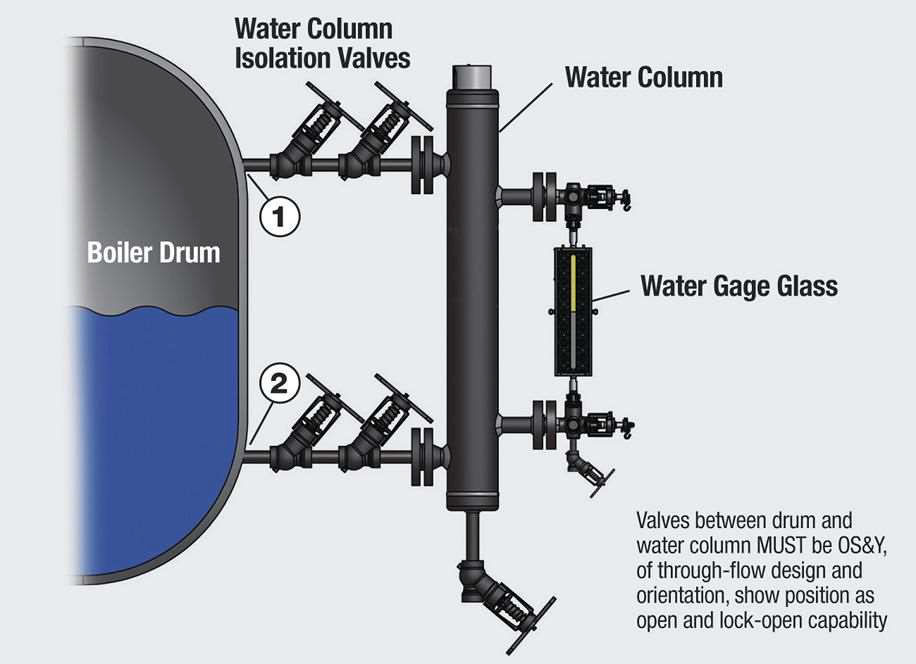
Figure 3: A typical water column, glass gage, and valves. Optional double isolation valves can be used for security.
Clark Reliance Drum Level Instrumentation
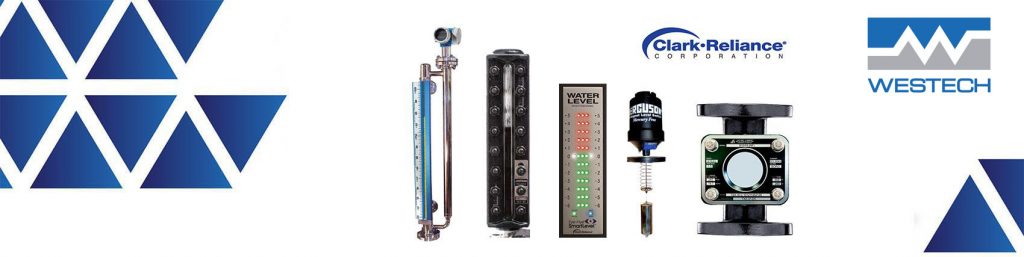
Westech Industrial is the exclusive distributor for Clark Reliance in Canada. Our range of products includes Jerguson Level Gages and Valves, Magnicator products and Level Switches. We also carry Reliance Boiler Trim and Jacoby-Tarbox Sight Flow Indicators. To learn more about our Clark Reliance products please visit our website or if you need help servicing any of your Clark Reliance parts, please give us a call at 1-800-912-9262.
Share This: