


 CDN NEWS |
  US NEWS







In the petrochemical industry, where precision and reliability are critical, unexpected sensor failures can lead to costly downtime, product inconsistencies, and operational inefficiencies. Traditional maintenance methods often rely on fixed schedules or reactive replacements, which can result in excessive labor costs and unnecessary disruptions.
For Mitsubishi Chemical Corporation, this challenge was particularly pressing at their Mizushima plant, where pH sensors were frequently failing under harsh process conditions. The unpredictability of sensor degradation meant that operators had to replace sensors prematurely, driving up operational costs, or risk failure, impacting product quality and process stability.
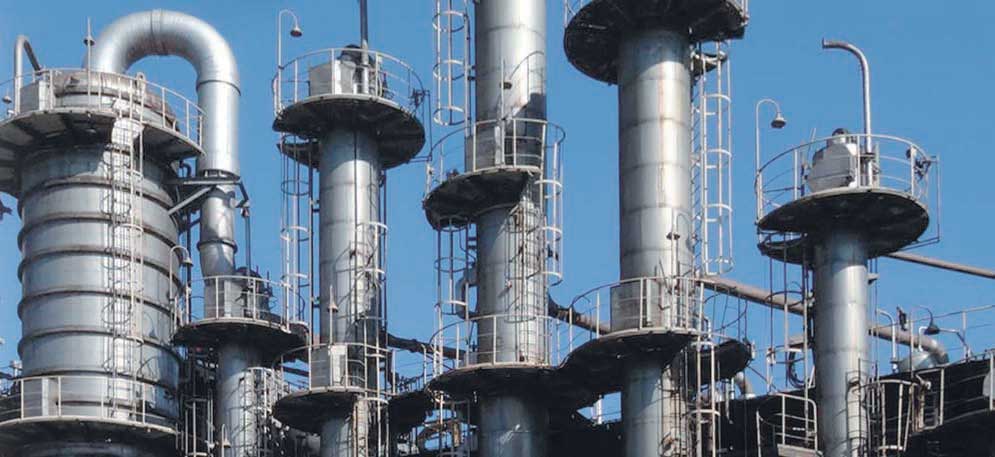
The Challenge: Sensor Failures Disrupting Production
At Mitsubishi’s Mizushima plant, pH measurement is critical during the neutralization of strong acids in the production of industrial and petrochemical chemicals. However, plant engineers faced persistent issues with their traditional pH sensors:
✔ Frequent sensor failures—some lasting only one month in extreme conditions
✔ Harsh process conditions—pH fluctuations between 5 and 12, with temperatures reaching 80°C
✔ Unplanned downtime—affecting product quality and overall process stability
✔ High maintenance costs—due to regular sensor replacements and manual interventions
The Solution: Predictive Diagnostics with Condition-Based Maintenance
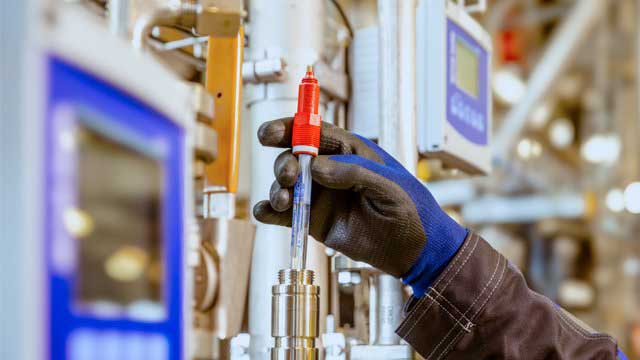
To reduce unplanned downtime and optimize maintenance schedules, Mitsubishi implemented a Condition-Based Maintenance (CBM) approach using advanced Intelligent Sensor Management (ISM™) technology.
By integrating ISM pH sensors, Mitsubishi was able to:
✔ Predict maintenance needs in real time—using sensor diagnostics that continuously monitor slope, impedance, and process conditions
✔ Extend sensor lifespan—reducing the frequency of replacements and lowering costs
✔ Optimize cleaning and calibration schedules—ensuring sensors were only serviced when necessary
✔ Improve plant asset management—with a Dynamic Lifetime Indicator that provided operators with accurate remaining sensor life projections
Results: A Major Shift in Maintenance Strategy
By adopting condition-based maintenance, Mitsubishi Chemical Corporation saw immediate improvements in plant operations:
🔹 Eliminated unexpected sensor failures, significantly reducing process disruptions
🔹 Cut maintenance time in half, allowing engineers to focus on higher-value tasks
🔹 Improved product quality and process stability, ensuring consistent chemical production
🔹 Initiated a major sensor replacement program, with plans to upgrade 200 pH measurement points to ISM technology
A Smarter Future for Petrochemical Production
For the petrochemical industry, optimizing sensor maintenance is no longer just a cost-saving measure—it’s a strategic advantage. Condition-based maintenance offers a proactive approach to sensor reliability, reducing downtime, improving efficiency, and enhancing safety in chemical processing environments.
Westech Industrial: Your Partner in Process Optimization

Westech Industrial Ltd. is proud to distribute METTLER TOLEDO’s advanced measurement solutions, helping petrochemical facilities optimize process monitoring, maintenance strategies, and plant efficiency.
📞 Contact us today at 1-800-912-9262 or visit our website at https://westech-ind.com to learn how our solutions can help enhance process reliability and operational performance.
👉 Phone: 1-800-912-9262
👉 Email: [email protected]
👉 Website: https://westech-ind.com
Share This:





















