CDN NEWS |
  US NEWS







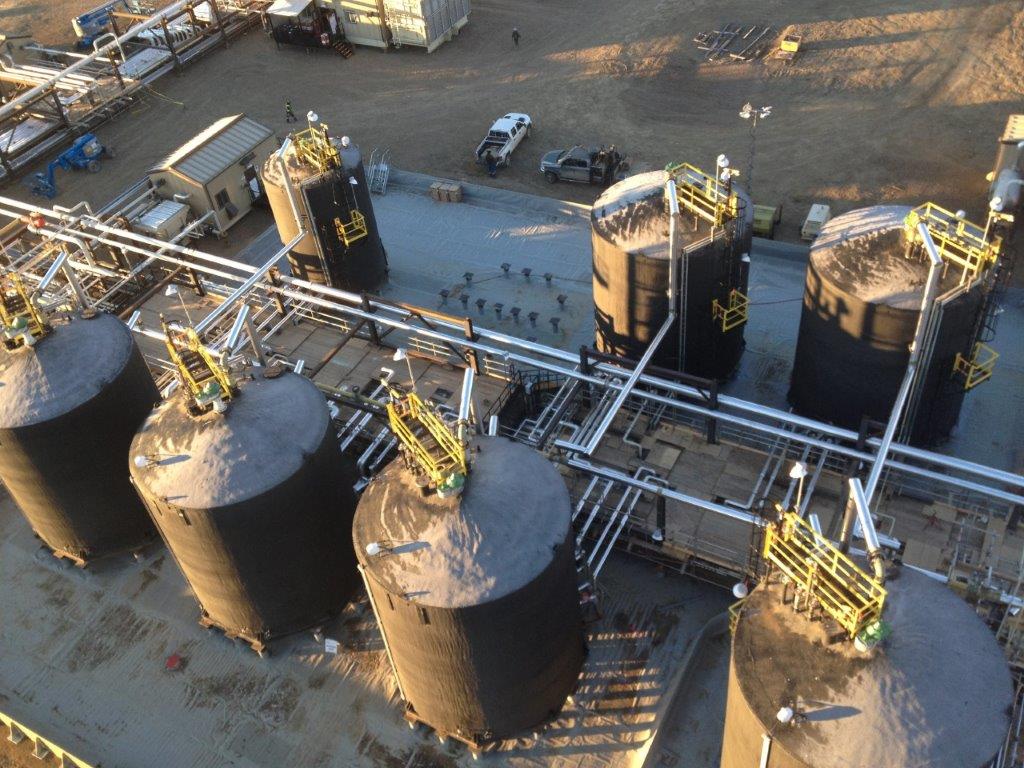
Primary and secondary containment systems are absolutely critical for oil and gas facilities for the safe and reliable delivery of the energy that powers homes, businesses, schools, hospitals and manufacturing facilities.
Think about what these facilities handle: immense volumes of substances that are incredibly valuable and useful – the very lifeblood of our economy and daily lives. Oil and gas provide the energy for transportation, heating, manufacturing, agriculture, and countless products. But like any powerful tool, they must be managed with care. Containment is about managing the potential risks so we can safely harness the immense benefits.
Primary containment is the first line of defense. This includes the tanks, vessels, pipes, and equipment that directly hold and transport the oil, gas, or other related materials under normal operating conditions. These systems are engineered to rigorous standards, designed to withstand the pressures, temperatures, and chemical properties of the substances they contain. Their integrity is paramount. A failure here means an uncontrolled release, which is not only a loss of valuable product but also a potential hazard to people, property, and the human environment. Ensuring these primary systems are properly designed, constructed, maintained, and operated is a core responsibility of the industry. It’s about keeping the energy where it belongs – safely within the system, ready to be used to improve human lives.

Secondary containment is the essential backup. It’s the layer designed to catch and hold any material that escapes the primary containment. This can take various forms: concrete pads with raised edges, berms or dikes around tanks, double-walled tanks or piping, or impervious liners beneath equipment. The purpose is straightforward: if the primary system fails, the secondary system prevents the released substance from spreading into the surrounding soil, water bodies, or air. This is crucial for preventing contamination that could harm local ecosystems, impact water sources, and ultimately affect human health and property. Regulations often mandate secondary containment for bulk storage precisely because it is a proven, necessary safeguard against the spread of spills. These rules typically require containment capacity equal to the largest tank plus additional volume for precipitation, ensuring that even in adverse weather, a spill is contained.

The importance of both primary and secondary containment is highlighted by the fact that, despite the vast scale and complexity of global oil and gas operations, major incidents are relatively rare. This isn’t luck; it’s the result of continuous investment in engineering, technology, and operational protocols, with containment being a foundational element. When spills do occur, they are serious and require immediate, effective response and investigation. But the rational response is to learn from them and improve safety systems, not to abandon the energy source itself.
Without robust containment systems, the risks associated with handling oil and gas would be far too high to support the scale of extraction, transportation, and utilization required by modern society. The ability to safely manage these substances through sophisticated engineering and layered containment is a testament to human ingenuity and our capacity to transform the Earth’s wild potential into resources that enhance our lives.
In essence, primary and secondary containment are not merely compliance checkboxes; they are integral to the engineering excellence and operational discipline necessary to safely provide the cost-effective, reliable energy that is indispensable to global human flourishing. They protect human life, property, and the human environment, ensuring that we can continue to benefit from the energy that makes our modern world possible.
This article was authored by Western Enegineered Containment (WEC)
To learn more about WEC’s containment products and services visit their website HERE
Share This: