


 CDN NEWS |
  US NEWS







EnergyNow Media
Major court decision could determine whether U.S. states and municipalities can pursue oil and gas companies for climate-related damages, with significant implications for Canadian energy producers.
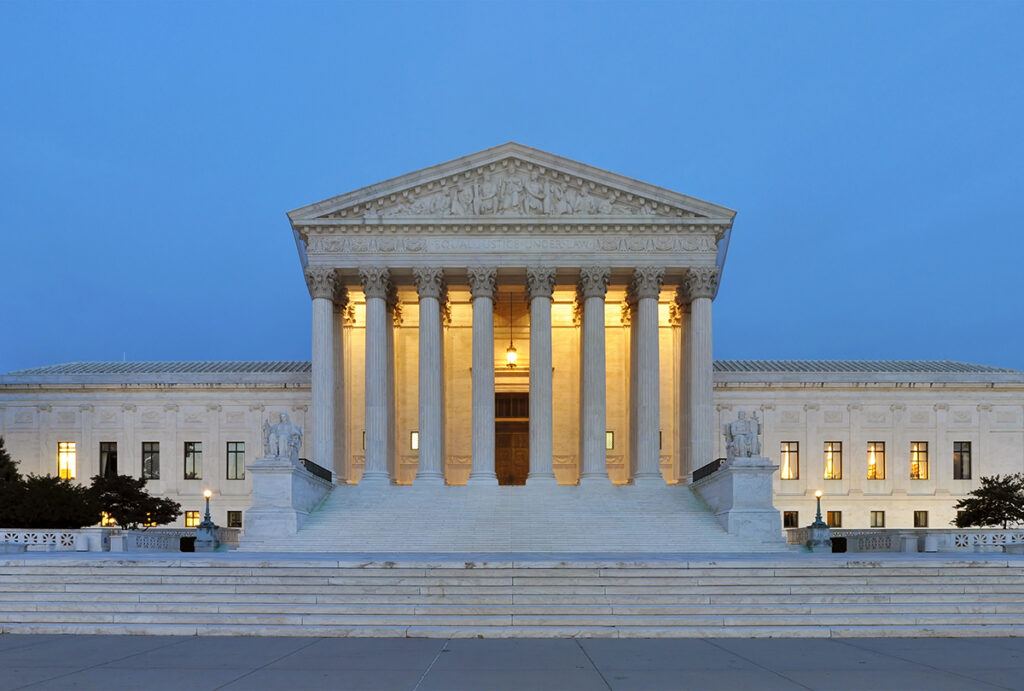
The U.S. Supreme Court will open its new term on Monday, October 5, with a potentially landmark case involving ExxonMobil and Canadian energy giant Suncor Energy. The outcome could reshape climate-related litigation against the North American oil and gas industry.
The case stems from a 2018 lawsuit filed by the City and County of Boulder, Colorado, seeking financial compensation from the companies for alleged climate-related damages, including wildfires, droughts, infrastructure damage and other environmental costs. Boulder also alleges the companies misled the public about the environmental consequences of fossil fuel consumption.
At the centre of the dispute is a fundamental legal question: Can individual states hold oil and gas companies financially responsible for global climate change, or does federal law take precedence?
ExxonMobil and Suncor argue that climate change is a national and international issue that cannot be regulated through individual state lawsuits. They contend that federal law, including the Clean Air Act, prevents states from pursuing such claims.



Boulder maintains that its lawsuit falls within traditional state legal authority and that local governments should be able to recover damages they attribute to the companies’ conduct.
The Trump administration has sided with the oil companies, arguing that allowing individual states to impose climate-related liability could undermine federal authority over national energy policy.
Why This Matters for Canada’s Energy Industry
The implications extend well beyond Colorado.
Nearly 60 similar climate lawsuits have been filed across the United States, potentially exposing major energy producers to billions of dollars in damages. A ruling favouring ExxonMobil and Suncor could significantly restrict these lawsuits, while a ruling favouring Boulder could allow additional cases to proceed.
For Canadian producers with significant U.S. operations, the decision could influence future legal exposure, investment risk and operating costs.
The case is particularly important for Calgary-based Suncor, demonstrating how climate litigation in the United States can directly affect Canadian energy companies.
Supreme Court Justice Samuel Alito has recused himself, leaving eight justices to consider the dispute. A decision is expected by June 2027.
The ruling could establish a defining precedent for climate litigation, determining whether responsibility for climate-related damages can be pursued through individual state courts or must be addressed primarily through federal law.
Share This:






















INSIGHT: The Northern Shield Energy Corridor Provides Energy Security for All Canadians – Yogi Schulz