


 CDN NEWS |
  US NEWS







By Jason Chiu
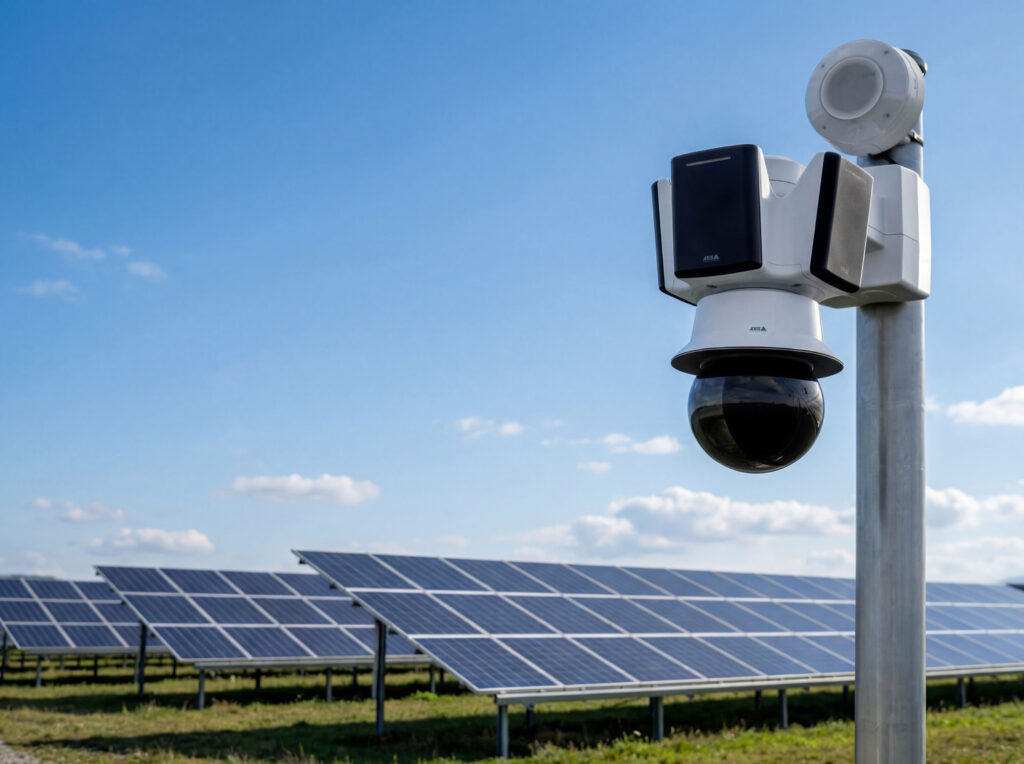
AXIS D2123-VE radar solution in a solar field
Routine inspections remain one of the most important tools for maintaining energy infrastructure. Whether operators are overseeing substations, transmission corridors, renewable energy facilities, compressor stations, or remote pumping sites, scheduled inspections provide critical opportunities to assess equipment condition, identify maintenance requirements, and verify operational performance.
While inspections provide valuable insight into infrastructure conditions, they represent snapshots of assets operating in constantly changing environments. Once an inspection concludes, equipment continues to age, environmental conditions continue to evolve, and security risks continue to emerge. Some issues may develop after a site visit, while others may already be progressing in the background without visible signs. As a result, emerging problems can continue developing unnoticed until they become significant enough to affect reliability, safety, or operational performance.
As operators seek to reduce these blind spots, many are looking beyond periodic inspections and exploring technologies that provide greater visibility between site visits. This shift is reflected in the Axis Perspectives Report, which found that 42% of organizations now use video systems to support operational efficiency. The finding points to a broader shift toward cameras as operational sensors, helping organizations identify emerging issues earlier and make more informed decisions across critical assets.
Equipment Degradation Often Begins Out of Sight
One of the primary objectives of site inspections is to identify equipment issues before they affect operations. However, many forms of equipment degradation develop gradually, with early warning signs emerging long before visible signs of failure appear.
Across substations, transmission infrastructure, battery energy storage systems, and oil and gas facilities, critical equipment is exposed to constant operational and environmental stress. Electrical loads fluctuate, components experience repeated heating and cooling cycles, vibration can loosen connections over time, and exposure to moisture, dust, and extreme temperatures can accelerate wear. As assets age, conditions such as corrosion, insulation deterioration, mechanical wear, and overloaded components can begin affecting performance.
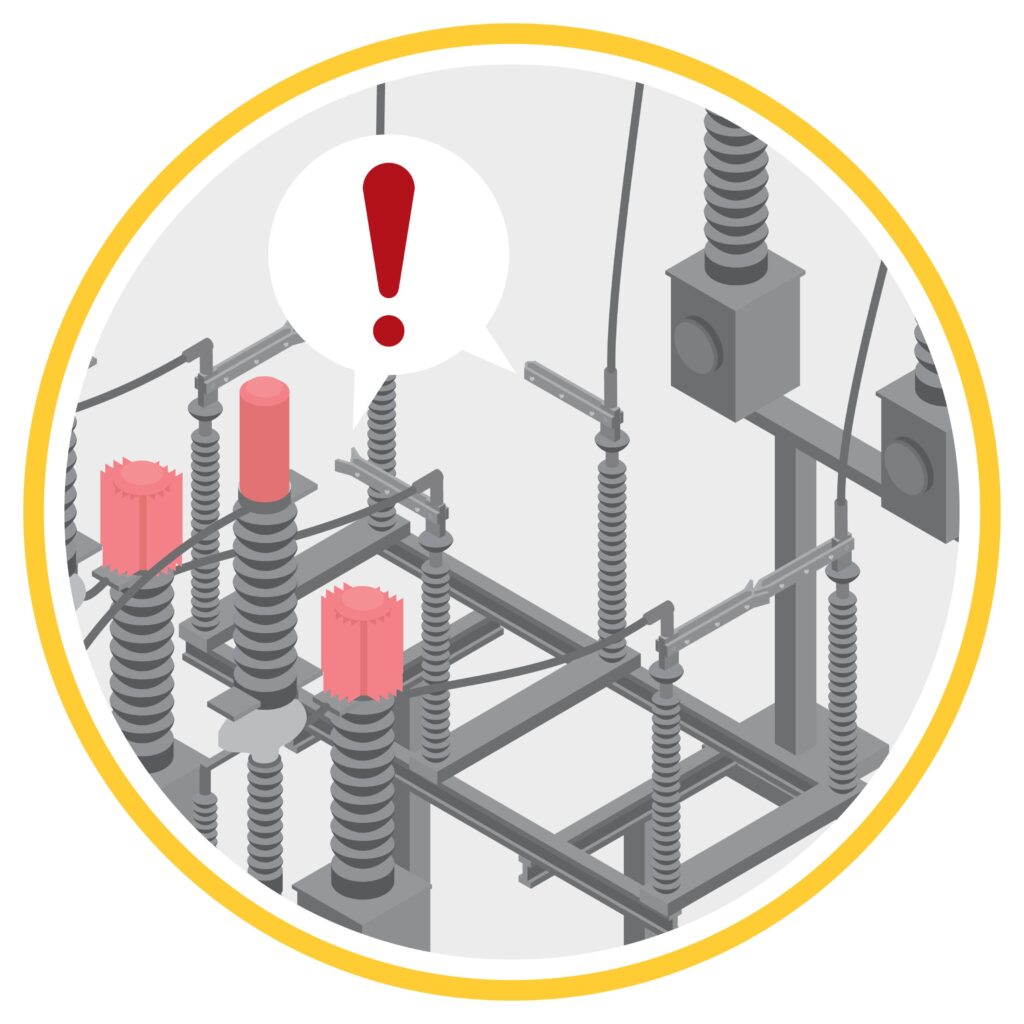
Visual alert in a substation
Unlike sudden failures, equipment degradation is often a gradual process, progressing quietly over time before any noticeable impact on performance occurs. A transformer connection may begin generating excess heat months before damage becomes apparent, while corrosion and insulation breakdown can advance beneath the surface for extended periods. The challenge is that many of these changes are difficult to detect through conventional visual inspections alone, particularly in their earliest stages. As a result, developing issues may not be identified until they become more advanced, even when routine inspection programs are in place.
The consequences can be significant. Equipment failures can contribute to reduced efficiency, shortened asset life, emergency maintenance costs, unplanned outages, and safety risks. In electrical environments, overheating components may increase the potential for fires or catastrophic equipment failures if issues remain undetected.
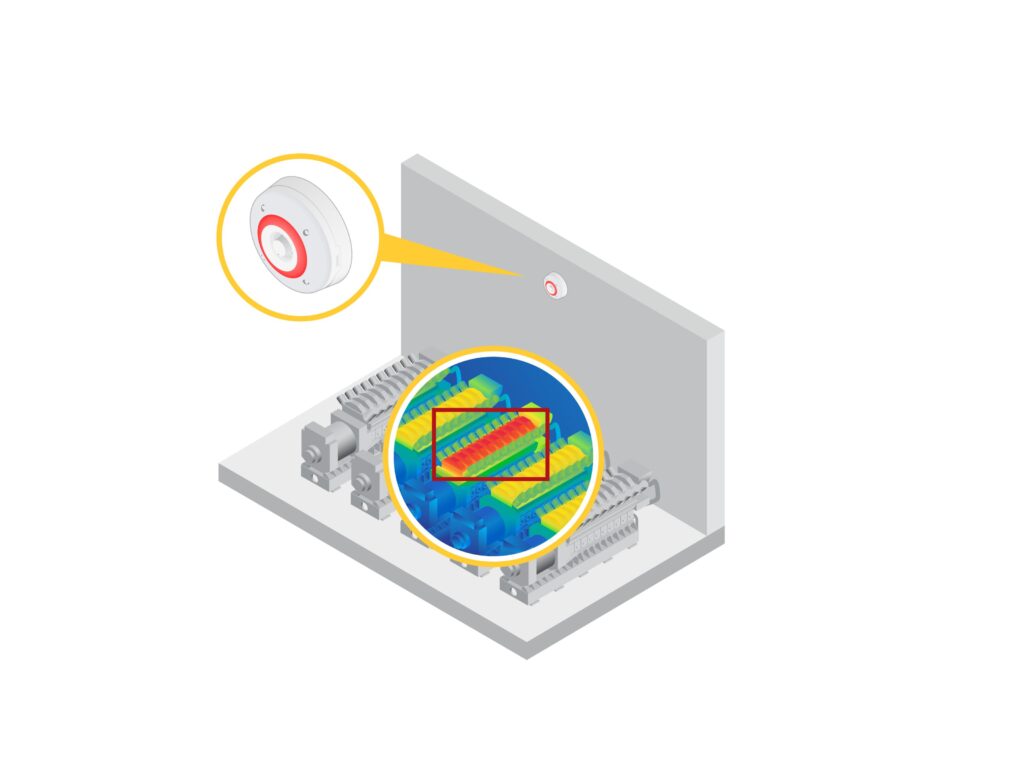
Overheating equipment alert via strobe siren
This creates a significant visibility gap for infrastructure operators. Traditional inspections remain essential, but many forms of degradation continue developing between inspection cycles, often without obvious visual indicators.
Thermal imaging technologies are helping address this challenge by revealing abnormal heat signatures that are not visible to the human eye. Elevated temperatures often serve as one of the earliest indicators of loose connections, overloaded equipment, deteriorating components, or other developing faults. By continuously monitoring assets such as transformers, switchgear, breakers, busbars, and battery energy storage systems, thermal cameras can help operators identify hotspots before failures occur.
Thermometric cameras can take this a step further by measuring specific temperatures across a scene and generating alerts when predefined thresholds are exceeded. Rather than simply identifying the presence of an anomaly, these systems can provide continuous temperature monitoring and support predictive maintenance strategies. Combined with analytics that track changes over time, thermal and thermometric technologies enable operators to move beyond periodic assessments and gain a more continuous understanding of asset health.
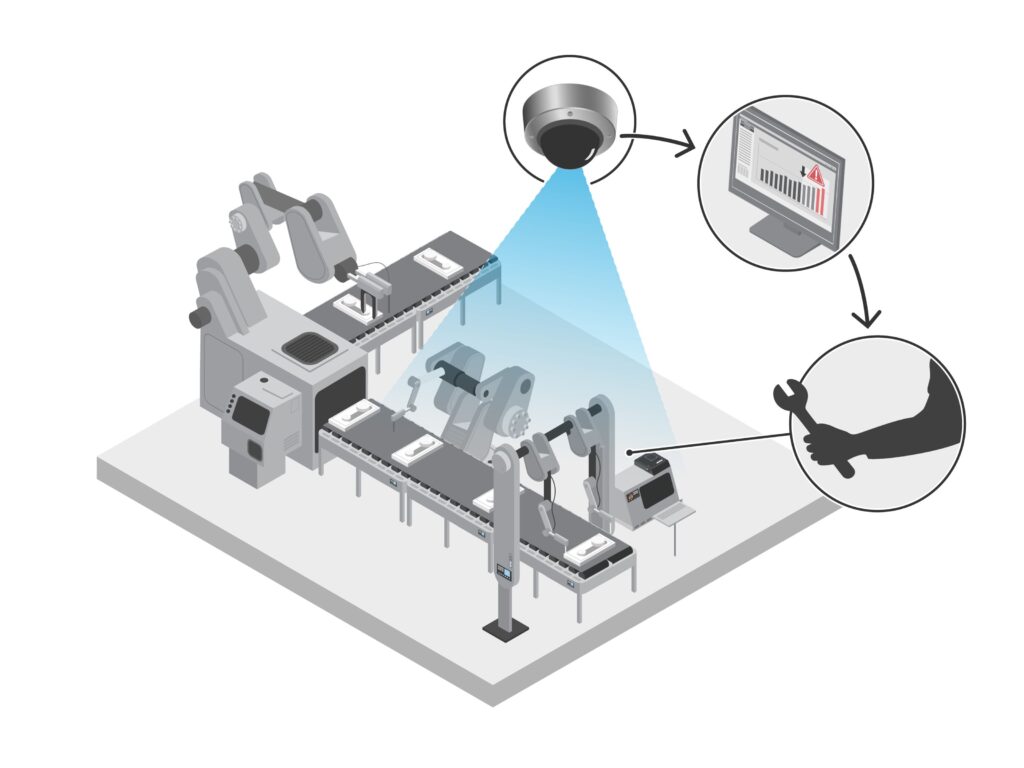
Predictive maintenance through monitoring solution
Environmental Conditions Can Change Faster Than Inspection Cycles
Equipment condition is only one part of the visibility challenge facing energy infrastructure operators. Site inspections can identify environmental factors that may affect performance, but those conditions rarely remain unchanged for long. Weather events, vegetation growth, and other site changes can emerge between inspections and introduce new risks.
Transmission corridors can experience rapid vegetation growth, while heavy rainfall may contribute to flooding, erosion, or damage to access roads. Strong winds can create debris hazards or damage infrastructure, while snow accumulation, ice events, and wildfire activity can affect both equipment performance and site accessibility. In some cases, these changes can occur rapidly, creating risks that may not be identified until personnel return to the site.
The challenge becomes even greater when assets are spread across large geographic areas. Wind farms can span hundreds of acres, pipeline infrastructure may stretch across vast distances, and remote substations or renewable energy facilities are often located hours from the nearest operations center. When severe weather affects multiple locations simultaneously, operators are often required to make decisions with limited visibility into actual site conditions.
The consequences extend beyond the environmental event itself. Unexpected site conditions can delay maintenance activities, complicate emergency response efforts, and make it more difficult to determine where limited resources should be deployed. When operators lack timely awareness of changing conditions, small issues can become larger operational challenges before they are identified and addressed.
Increasingly, visual monitoring technologies are helping operators answer critical questions that can emerge between inspections.
Has severe weather affected site accessibility? Fixed network cameras can help operators assess road conditions, flooding, and other access challenges before personnel are dispatched.
Has vegetation growth, debris, or storm damage created new risks? Pan-tilt-zoom (PTZ) cameras allow teams to investigate specific areas of concern in greater detail without requiring an immediate site visit.
Are environmental conditions limiting visibility or concealing potential hazards? Thermal imaging can provide additional insight during periods of darkness, smoke, or wildfire activity and may help identify hotspots that warrant further investigation.
Have conditions changed in a way that requires attention? Analytics can help identify environmental anomalies or alert personnel when predefined conditions are detected.
Together, these technologies help operators maintain a better understanding of evolving site conditions and reduce the uncertainty between inspections.
Security and Safety Risks Rarely Wait for Scheduled Visits
Security and safety risks present a different challenge than equipment degradation or changing environmental conditions. While many operational issues develop gradually over time, unauthorized access, theft, vandalism, and other incidents can occur without warning between site visits.
Substations, solar farms, battery storage facilities, transmission infrastructure, and oil and gas sites can all be vulnerable to trespassing, vandalism, theft, and unauthorized vehicle access. At active facilities, operators may also need visibility into contractor activity, restricted areas, and other situations where safety procedures must be followed. Because many energy assets are geographically dispersed and not continuously staffed, these events can be difficult to identify as they occur.
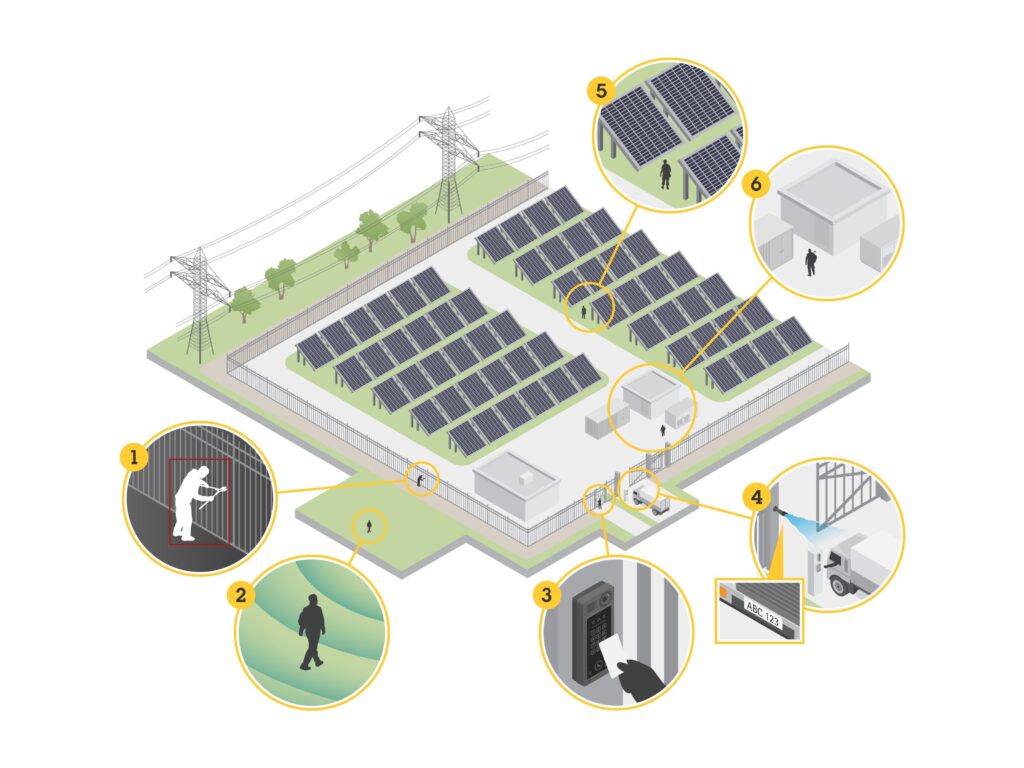
Solar plant monitored and optimized by technology
The consequences extend beyond physical security concerns. Theft of materials or equipment can interrupt operations and require costly repairs, while vandalism may damage critical infrastructure and create reliability challenges. Unauthorized access can also introduce significant safety risks for both workers and intruders, particularly in environments containing high-voltage equipment or other operational hazards.
Maintaining awareness between inspections increasingly requires more than traditional surveillance alone. Consider a remote substation after hours. The facility is unmanned, and the next scheduled inspection is still days away. An unauthorized vehicle turns onto the access road and begins approaching the site perimeter.
At this stage, operators may have no indication that activity is taking place. Radar technology can help provide an early alert, detecting movement before any individual or vehicle reaches sensitive infrastructure. Network cameras can then provide visual verification, allowing operators to quickly determine whether the activity appears routine, suspicious, or potentially dangerous.
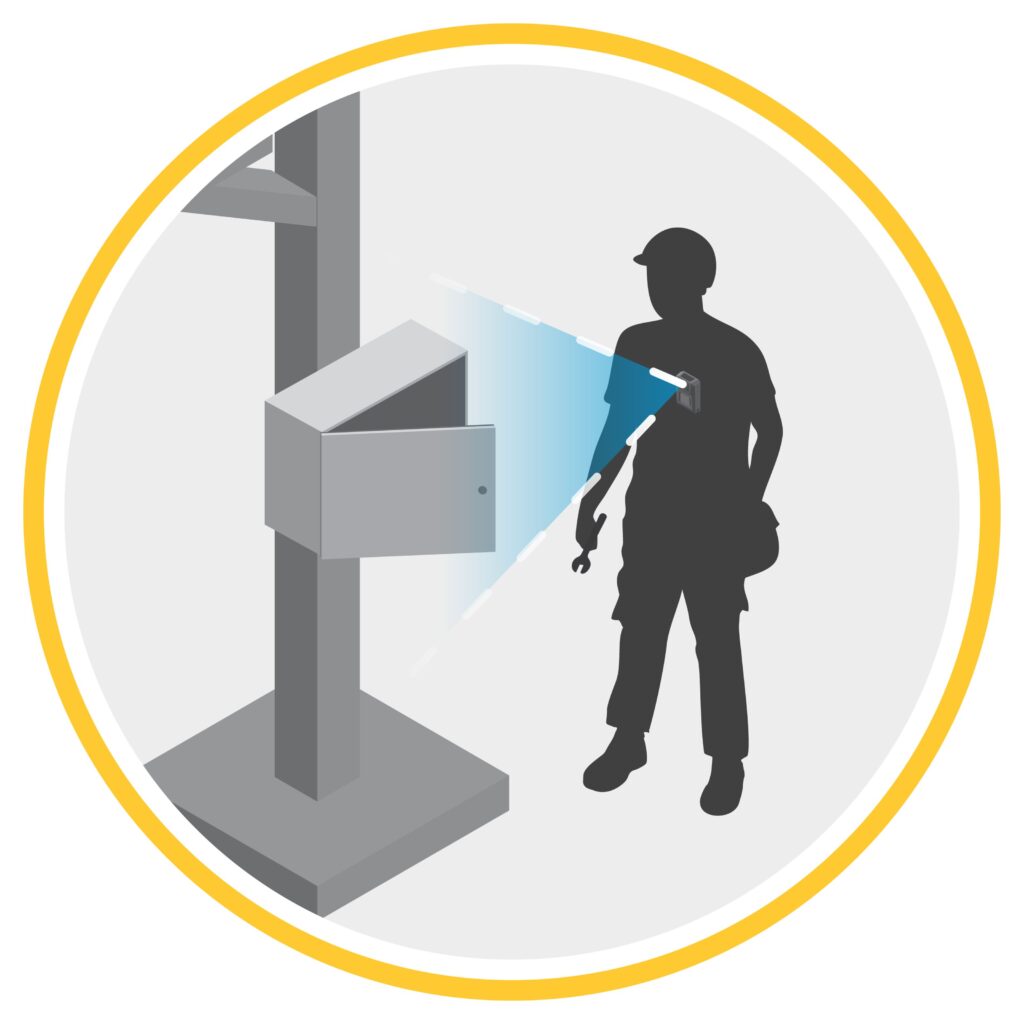
Maintenance verification in critical infrastructure
As the situation develops, additional questions may arise. Is the individual authorized to be onsite? Are they attempting to access restricted areas? Do they pose a safety risk to themselves or others? Network audio systems can enable operators to issue live or automated warnings, while access control systems can provide additional context regarding who entered the facility, when access occurred, and whether activity aligns with authorized site use.
The value of these technologies lies not only in their individual capabilities but how they work together to support awareness as events unfold. Rather than discovering an incident after damage has occurred or during the next scheduled inspection, operators can gain earlier insight are respond while there is still an opportunity to act.
From Periodic Visibility to Continuous Awareness
Inspections will always remain a critical component of energy infrastructure management. They provide the expertise, context, and hands-on assessment required to understand asset conditions and support long-term reliability.
The question facing many operators is no longer whether inspections are necessary, but how much visibility should exist between them. As infrastructure continues to expand across larger geographic areas, the periods between site visits are becoming increasingly consequential. Equipment conditions can change, environmental risks can emerge, and security incidents can unfold long before the next scheduled inspection takes place. The challenge is not eliminating uncertainty altogether but reducing the amount of time critical issues can develop unnoticed.
As a result, organizations are beginning to view visibility as an ongoing operational capability rather than a series of isolated checkpoints. That shift supports more informed maintenance planning, risk management, emergency response, and long-term infrastructure resilience.
Ultimately, inspections provide snapshots of infrastructure health. The opportunity moving forward is determining how much awareness can be maintained between those snapshots. In an industry where reliability depends on timely decisions, closing that visibility gap may become one of the most important advantages operators can develop.
Jason Chiu is the Professional Services Group Manager with Axis Canada. He has a background in IT and networking and has spent over 20 years in the security industry, from being an integrator, consultant and manufacturer. Jason is an ASIS board certified Physical Security Professional (PSP), is trained in Critical Infrastructure Protection (CIP), Crime Prevention Through Environmental Design (CPTED Levels 1 & 2), and (ISC)2 Certified in Cybersecurity.
Share This:






















INSIGHT: The Northern Shield Energy Corridor Provides Energy Security for All Canadians – Yogi Schulz