


 CDN NEWS |
  US NEWS







By Tegan Hill and Milagros Palacios
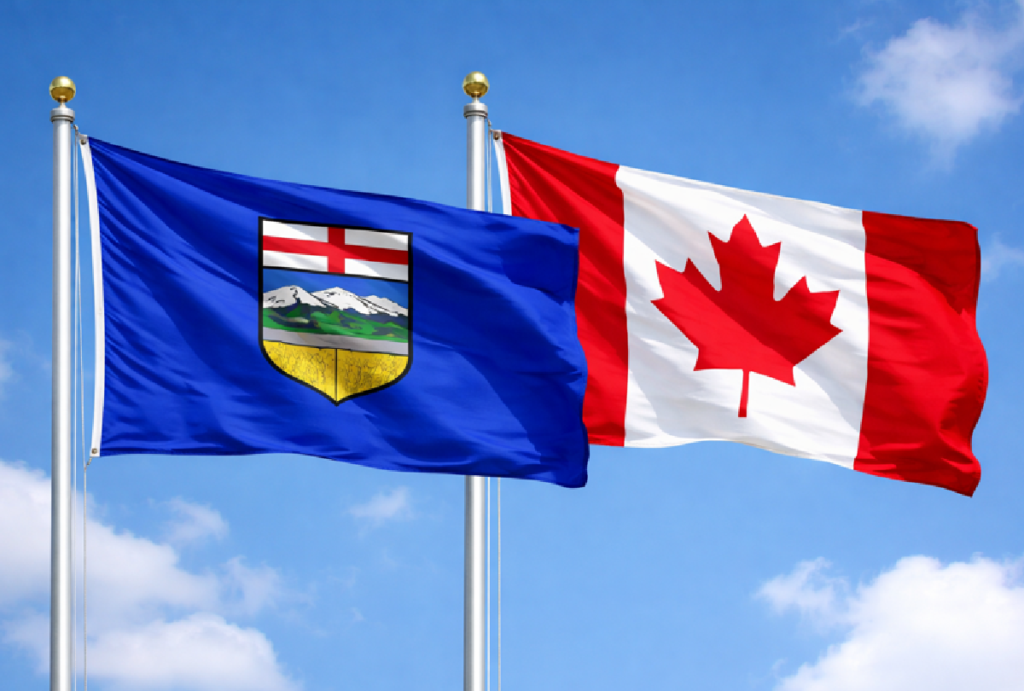
With petition drives for Alberta separatism gaining steam across the province, it’s perhaps more important than ever that Canadians outside Alberta understand the province’s important role in the federation and policymakers find a compromise on key issues fuelling separatist sentiment.
Indeed, Albertans make an outsized net contribution to Canada—to the tune of $285.1 billion from 2007 to 2024. Put differently, during that 17-year period, Albertans contributed $285.1 billion more to the federal government (in taxes and other payments) than Ottawa spent or transferred to Alberta. And Albertans contributed more than four times as much (on net) as British Columbians or Ontarians. The other seven provinces, most notably Quebec, were net recipients, meaning Ottawa spent or transferred more money to those provinces than it collected.
Albertans’ large net contribution reflects the province’s comparatively young population (fewer retirees), higher rates of employment, higher average incomes and relatively strong economy. In other provinces, Alberta’s demographic and income advantages can help keep taxes lower and deliver programs and services through Canada’s system of federalism, which includes redistribution programs such as equalization.
The net contribution itself isn’t a problem—in fact, the ability to redistribute wealth can be a benefit in a federation. But many Albertans don’t feel they get their end of the bargain, particularly due to many federal policies introduced over the last decade, which target Alberta’s oil and gas industry. And despite a recent “Memorandum of Understanding” between Ottawa and Alberta on a potential future oil pipeline, Prime Minister Carney has yet to meaningfully change course on several key policies.



Bill C-48, for instance, bans large oil tanker access to ports on B.C.’s northwest coast. The legislation, enacted by the Trudeau government in 2019, effectively prevents Canadian oil producers from accessing Asia and other international markets. Crucially, the legislation applies only to tankers docking in Canadian ports—U.S. and foreign tankers continue to operate freely in the same waters accessing U.S. ports. So, the law exclusively hinders Canada’s competitiveness.
Bill C-69, also enacted in 2019, also hinders Alberta’s energy industry by imposing onerous, uncertain and subjective requirements (for example, the project’s effect on the “intersection of sex and gender with other identity factors”) on energy projects. This regulatory hurdle creates lengthy and uncertain approval timelines, deterring crucial investment.
Other burdensome policies include methane emissions-reduction requirements that impose hundreds of millions in costs on the energy industry. Carney may also soon hike the industrial carbon tax companies pay per tonne of CO2 emitted, which will increase the cost of producing, processing and transporting oil.
It’s no surprise that oil and gas investors continuously cite regulatory uncertainty as a major deterrent to investment in Canada. Or that oil and gas investment has plummeted nearly 61 per cent in Alberta since 2014, falling from $64.7 billion to $25.3 billion in 2024 (inflation-adjusted).
As separatist sentiment continues across Alberta, Canadians should understand why many Albertans are frustrated. Alberta’s success is something to be encouraged—not discouraged. And a good faith renegotiation of federalism in Canada would benefit all Canadians.
Share This:




















REALITY: Carney’s EU Deal Threatens Alberta, Energy, & Sovereignty – 170,000 Reasons to Reject Canada’s EU “Associate Membership”