


 CDN NEWS |
  US NEWS








By Jim Warren
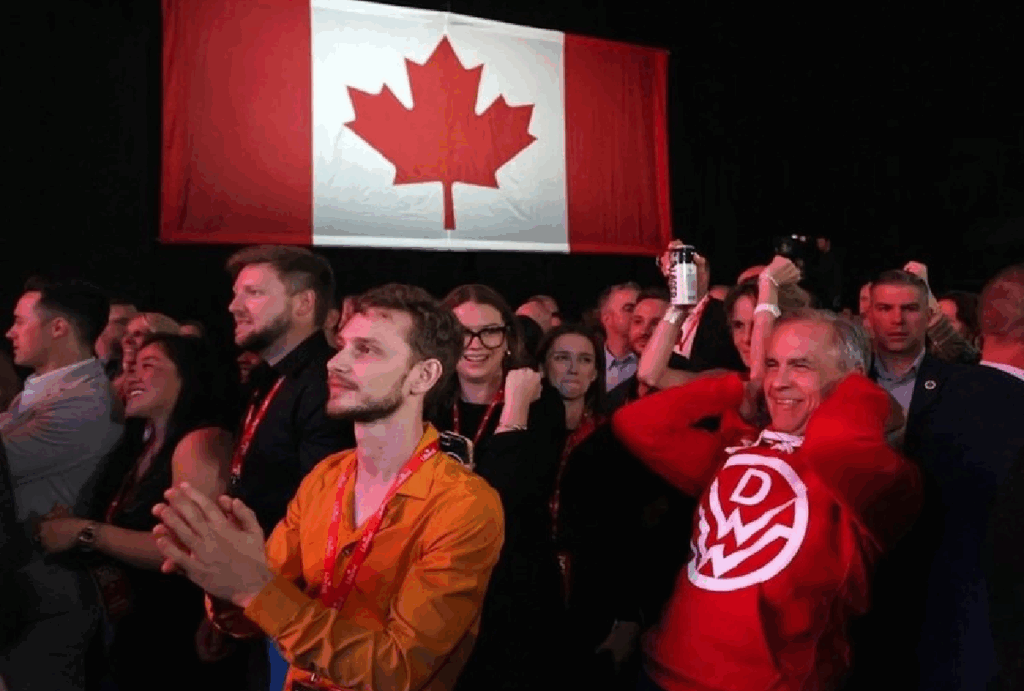
At first, the elbows up chicken dancers at Carney election rallies seemed harmless enough.
Post-election, they’ve become a menace.
The problem is being a patriotic chicken dancer does not mean one is also well informed about the fundamentals of economics and international trade. This partly explains why yesterday’s chicken dancers have become today’s cheerleaders for Ontario Premier Doug Ford and his plans for combating the Trump tariffs.
Ford supports a “get tough on the Americans” Team Canada response to our tariff problems. He imagines a pan-Canadian flourishing of hard-nosed patriotism whereby we punish the US with counter-tariffs and export taxes.
Ford wants us to pull together as flag waving Canadians and kick American butt, no matter how much it hurts us. Of particular concern to people from Alberta and Saskatchewan is eastern Canada’s fixation on applying export taxes on oil potash and uranium.
Ford’s approach amounts to a willingness to endure self-inflicted wounds to show the Americans we mean business. Come on patriots, circle the wagons and shoot in. Let the Americans know if they don’t eliminate those dastardly tariffs we will punch ourselves in the face some more. That’ll show ‘em.
Take potash for instance, food guru Sylvain Charlebois among other Eastern pundits has alerted us to the problems Canada could create for US agriculture by imposing punitive export taxes on Saskatchewan potash. That would indeed present a serious problem for American farmers, but not for long.
Prior to Putin’s invasion of Ukraine, Russia and its ally Belarus vied with Saskatchewan for the title “world’s largest potash producer”. Saskatchewan’s potash industry has done relatively well following the imposition of international sanctions on Russia and Belarus over their unprovoked aggression against Ukraine. (Belarus allowed Putin to assemble invasion forces on its territory.)
But guess what? Just as soon as we put an export tax on potash, Trump can be expected to waive the sanctions on Russia and Belarus and ensure US farmers aren’t starved for fertilizer. Conceivably it could take years for Saskatchewan producers to win back their American customers. Export taxes are a threat to the well-being of your own exporters—not merely a way to irritate your opponent in a trade war.
It is less likely, but possible, a similar fate would await Western Canada’s petroleum sector if export taxes were applied to the oil we sell to the U.S. It seems eminently plausible that if we taxed oil exports Trump would be tempted to seek out alternative sources in the international marketplace. Would he entertain removing sanctions on Russian oil for example? Admittedly, it would be a difficult problem for Americans to deal with.
But are Ford, his Team Canada cheerleaders and the federal government crazy enough to put oil revenues at risk? Crude oil remains the single most valuable commodity we export. Why would sane people put those revenues at risk? Unfortunately, after 10 years of Liberal government we have learned that when environmental zealots are in office they will happily sacrifice economic growth, jobs and prosperity on behalf of combating climate change.

It is easy for Doug Ford and the “patriots” to chicken dance to their hearts’ content if the cost of getting tough on the US is borne by oil, gas, potash and uranium producers from Saskatchewan and Alberta.
Tariff problems affecting the prairies took a turn for the worse on August 11 when China placed a 75% tariff on Canadian canola. Canada exports about $5 billion worth of canola in seed form, oil and meal to China. Saskatchewan and Alberta account for over three quarters of those exports.
Provincial politicians from the West have called on the prime minister to fast track discussions with China to resolve the dispute. China claims the new tariff is a reaction to Canada dumping canola produced by subsidized farmers. That’s a total fiction. The real reason is retaliation for the 100% tariff the Trudeau Liberals applied to Chinese EVs.
The Government of Canada, Canadian automakers and EV battery manufacturers have invested billions in developing the capacity to manufacture batteries (often unsuccessfully) and retooling assembly lines at auto plants.
Chinese government subsidies have been in large measure responsible for the incredible advances in Chinese EV technology. Chinese EVs are more technologically sophisticated, more energy efficient and far less expensive than EVs produced in Europe and North America—little wonder car makers in those regions have demanded their governments impose stiff tariffs on Chinese EV imports.
It’s clear that the Team Canada approach to fighting tariffs has run into a couple of significant snags. Teams Ontario and Quebec would be pleased to see export taxes applied to Western oil, gas, potash and uranium. The West will never agree to this.
At the same time prairie farmers would like to see the tariffs on Chinese EVs reduced or eliminated. Ontario and its thousands of auto workers can’t let that happen.
We can therefore expect to see a collapse in pan-Canadian cooperation.
It doesn’t require deep insight to predict who the winners and losers will eventually be. The Liberal government showed its hand several weeks ago when it passed legislation guaranteeing supply management for dairy and poultry farmers would never become a bargaining chip in trade negotiations. Supply management is a sacred institution in Quebec. La Belle Province has by far the most dairy farmers per capita of any province. Protecting those farmers is one of Quebec’s perennial demands.
As it happens, one of Donald Trump’s principal irritants when it comes to trading with Canada is the supply management system. He has identified it as one of the reasons he’s getting tough on trade with Canada.
When it comes to a prairies versus Ontario and/or Quebec quarrel, Westerners only rarely win.
It’s a Liberal tradition, keep the voters in Ontario and Quebec as happy as possible. So what if the West gets annoyed—they have no power in parliament. That’s why Liberal elections strategy is based on the maxim “Screw the West, we’ll take the rest.”
Share This:






















THE GEOTHERMAL OPTION: B.C.’s Overlooked Firm Power Option: What the Geothermal Evidence Shows – Resource Works