


 CDN NEWS |
  US NEWS







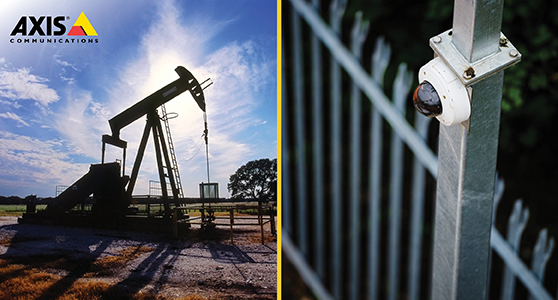
When access to vital energy or natural resource supplies are threatened, the impact goes well beyond the oil field and mine, with the potential to affect the workers and communities. Both the oil & gas and mining industries have a complicated supply chain. This supply chain – consisting of exploration, extraction, transportation, refining and distribution – is becoming increasingly at risk and dependent on one another. If this supply chain is not well protected it can be exposed to and affected by risks such as extreme weather, local or global politics, physical attacks, military, drones that impact worker safety and production, as well as cyberattacks. Facility and site automation, Artificial Intelligence (AI) and Internet of Things (IoT) connectivity continues to grow and so does the use of cloud services. This means the entire production line of these operations are susceptible to cybersecurity-related threats that can impact the safety of workers, machine operation and bring complete cessation of site and company workings.
Many considerations
The list of threats to oil & gas and mining is lengthy and includes vandalism and theft of both equipment and data, production interruptions and plant shutdowns, pipeline, tank and oil rig platform leaks, isolated, remote perimeter location troubles, worker safety, limited network capabilities and monitoring application problems, and, increasingly, cybersecurity attacks.
Cyberattacks are especially worrisome because the more these sites store critical information and communicate over a network and integrate Internet of Things (IoT) devices into control systems, the more exposed they become to cybercrime.
More than just a camera
Internet Protocol (IP) cameras are so much more powerful than the analog cameras of yesteryear, allowing for much of the processing of data to be done in the cameras themselves. Known as ‘edge computing,’ this reduces the load on the network as only relevant video is streamed from the cameras. It also means that certain security decisions can be made in the field, rather than streaming all footage to a remote server to be analyzed by staff. This reduces the burden on employees allowing them to focus on more specialised tasks.
Knowing the risks posed to every element within a site is critical to proper protection. Organizations must analyze their security needs by knowing each site’s layout, critical equipment and lighting. This will ensure investment in the right monitoring equipment, ideally with built-in security protections.
What can you do to help protect your site?
- Security cameras in a network environment – The most apparent threats to a network camera are physical sabotage, vandalism and tampering. To protect the product from these threats, it is important to select a vandal-resistant model or casing, to mount it in the recommended way, and to protect the cables.
- Limit Internet exposure – It is not recommended to expose the camera as a public web server, allowing unknown clients to get network access to the camera. For Individuals and small organizations that do not operate a VMS (Video Management System) and need to access video from remote locations, Axis recommends using AXIS Camera Station. AXIS Camera Station is powerful and easy to use with an intuitive interface so anyone can manage the system, handle incidents and quickly export high definition evidence. More information and our complimentary 30-day download for AXIS Camera station can be found here. Large organizations using a VMS should consult the VMS vendor for remote video access.
- Default protection – Cameras are delivered with predefined default settings and a default password. It is not recommended to use these settings for daily operations.
- 8 Edge Storage Encryption – If the camera has support for SD Card and video is recorded to this storage device, it is recommended to apply encryption. This will prevent unauthorized individuals that may have removed the SD card to play the stored video. If a Network Attached Storage (NAS) is used as a recording device, it should be protected in a locked area and its accounts/credentials need to be properly configured.
Download our comprehensive hardening guide to learn how you can secure your site from physical attacks, cyber attacks and centralize your threat reporting through our Axis solutions.
As always feel free to reach out with any of your questions or learn more about our CI solutions here.
Obaid Hafiz
Regional Sales Manager, Western Canada
T: (587) 226 1664
E: [email protected]
Share This:






















INSIGHT: Canada’s Economy Falling Behind Despite Misleading Headlines – Fraser Insitute