


 CDN NEWS |
  US NEWS







By Alex Whalen
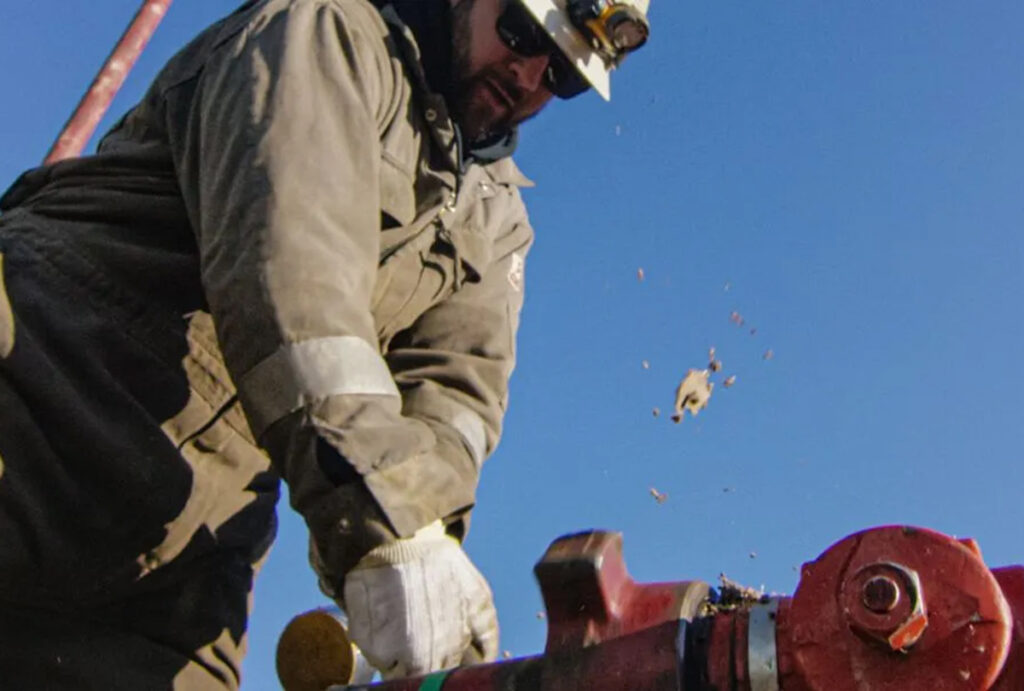
According to a recent announcement by Premier Holt, her government will review New Brunswick’s moratorium on natural gas development, which includes the recovery method of hydraulic fracturing (also known as fracking), a widely-used process used to recover natural gas. This is a good first step toward unleashing the province’s massive natural gas potential.
To understand why, let’s start with the economic opportunity.
New Brunswick’s Frederick Brook shale gas formation (largely situated around the Sussex area) is estimated to hold between 67 and 80 trillion cubic feet of gas (for context, Canada consumes about 4.3 to 4.9 trillion cubic feet of natural gas per year) worth an estimated value of $186 billion on the market. For context, New Brunswick’s entire economy in 2024 (the latest year of available data) was $43.8 billion. Of course, extraction levels may vary and the value is subject to market pricing, but the potential opportunity is significant. As we’ve argued previously, it will be very difficult for the Holt government to meet its ambitious goal of 10 per cent (real) economic growth by 2030 without substantial natural resource development.
And New Brunswick workers would enjoy the benefits. Across Canada, average hourly wages in natural resource industries (oil and gas, mining, quarrying, etc.) exceed $50 per hour. In a 2024 comparison of 16 goods and services sectors in Canada, natural resources jobs paid the second-highest with wages 40 per cent higher than the national average. More jobs in natural gas would be welcome news in a province with some of the lowest wages in North America.



The Gallant government enacted the original natural gas development ban back in 2014 amid overblown concerns about health and safety effects. As reported by Brunswick News, Premier Holt “repeatedly said nothing will happen unless she’s confident the gas can be extracted safely and without adverse environmental effects.”
Here’s where it’s important to separate fact from fiction and conduct an honest cost-benefit analysis. Opponents of fracking raise several environmental concerns including about drinking water contamination. According to a 2025 study published by the Fraser Institute, “most of the environmental challenges ascribed to fracking have been overcome, and the technology has proven generally safe, with manageable risks via literally millions of operations across North America.”
Indeed, New Brunswickers today fuel their homes and factories with natural gas that has been safely fracked elsewhere, while sending money outside the province in the process. Moreover, whatever the environmental effects of fracking, policymakers should look at the costs and benefits. If the province can properly manage those risks, they must be weighed against the jobs, economic activity and energy security that natural gas development would create.
And again, fracking is safely practised in other jurisdictions including Manitoba, Saskatchewan, Alberta, British Columbia and across the United States. And just last week, Questerre Energy, an oil and gas exploration company, announced it’s in the “final stages” of negotiations with the Nova Scotia government for an exploration licence. The Nova Scotia government lifted its fracking ban in March 2025.
In other words, if you remove unnecessary barriers to exploration and development of natural resources, investment dollars will likely flow into your province. Beyond lifting the fracking ban, the Holt government could improve New Brunswick’s ability to attract investment and boost economic growth by cutting red tape, lowering taxes and reducing the out-of-control size of government.
When the Holt government reviews New Brunswick’s natural gas development ban, hopefully it carefully considers the potential positive effects for New Brunswickers and their families.
Share This:




















SETTING OFF ALARM BELLS: Carney’s EU Deal Threatens Alberta, Energy, & Sovereignty – 170,000 Reasons to Reject Canada’s EU “Associate Membership” – The Nemeth Report