


 CDN NEWS |
  US NEWS







“It doesn’t take a big move in oil prices to have dramatic impacts on government’s bottom line,” Tombe said
This Artical and More From Cindy Tran Here
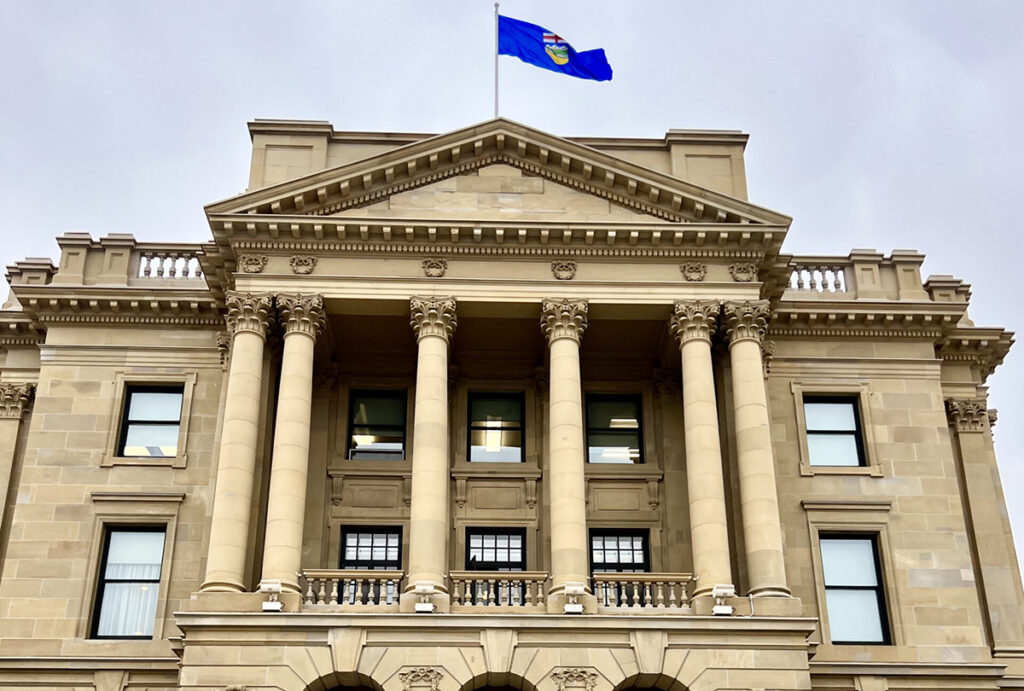
Experts estimate the Alberta government has likely accumulated billions in surplus this fiscal year-to-date as crude oil prices remain high.
Trevor Tombe, an economics professor at the University of Calgary, estimates the government has accumulated a surplus of $3.8 billion this fiscal year to date. Every $1 per barrel change in the price of oil is worth about $680 million to the government’s bottom line, according to Tombe.
“It doesn’t take a big move in oil prices to have dramatic impacts on government’s bottom line,” Tombe said.
“They’ve already completely changed the picture even if oil prices fall dramatically from here.”
Days after Alberta tabled its second straight multi-billion dollar deficit budget at the end of February, oil markets skyrocketed following the United States and Israel’s joint attack on Iran. At the time the $9.4 billion deficit was tabled, the West Texas Intermediate (WTI) was at US$60.50 per barrel.
As of Tuesday afternoon WTI crude oil prices sit at US $83.09.
Alberta needs US $66 per barrel to balance the budget
Tombe said to balance the budget by the end of the fiscal year — next March — oil prices need to be at US $66 per barrel or more.
“Anytime they’re above ($66 per barrel) we are looking at a surplus and right now, where markets are, where futures markets are, we’re looking at about $6 billion as a surplus instead of the $9.4 billion deficit. So big swing in the budget balance,” Tombe said.
However, Tombe said while high oil prices would help eliminate the deficit, the province’s main fiscal problem is its exposure to such a volatile source of revenue which it has only become more reliant on.



“Our problem has gotten worse and oil prices being high doesn’t solve that because of course they won’t stay high forever. They’ll fall and then rise again and then fall again… that volatility is worse now for Alberta than ever before,” Tombe said.
In a statement to Postmedia, Hunter Baril, press secretary to the minister of jobs, economy, trade and immigration, said the province will have an update on the impact of oil prices on the deficit later this month. The province continues to monitor developments in global energy markets and potential impacts geopolitical tension may have on oil prices.
He said the long-term impacts of the recent price on the province is still uncertain.
“While Alberta’s energy sector remains strong, energy markets can be highly dynamic. The province will continue to monitor developments and assess any implications for Alberta’s economy and fiscal outlook,” Baril said.
Former Finance Minister Nate Horner told reporters in March that any gains in the first few weeks would apply to Q4 of the 2025-26 fiscal year. The effect of higher oil prices on the 2025-26 budget are not yet known, as the province pushed back its reporting date.
Affordability pressures on everyday people
High-oil prices are a double-edged sword, according to Gitane De Silva, the executive director of the Peter Lougheed School of Politics and Democracy at the University of Alberta.
She said short-term, high oil prices is good news for revenue flowing to the province — but the longer gas prices remain high the broader the impact to the economy.
“When you’re looking at many months of sustained high oil prices… that’s when you start to see real impacts on average Albertans, and then also businesses as well,” De Silva said.
Tombe said it is never a bad thing for the government when oil prices are high, but emphasized the impact is felt by everyday people. Early after the U.S.-Israel attack on Iran, he did some preliminary math and said if oil prices remained around US $90 a barrel it would equate to an additional $1,000 a year for the average family.
“The affordability challenges that people face are made worse by sustained high oil prices,” Tombe said.
[email protected]
Share This:






















On The Verge: Energy Sector Primed for New Wave of Growth – ATB Economics