


 CDN NEWS |
  US NEWS







By Julio Mejía and Elmira Aliakbari
The Carney government recently approved its first major pipeline project—Enbridge’s Sunrise expansion of the Westcoast natural gas pipeline. While Energy Minister Tim Hodgson said this proves that Ottawa is “getting projects approved and built,” one approval doesn’t change the broader picture. Canada is still moving too slowly to unleash its potential as a leading supplier of natural gas, and until the government scraps its Trudeau-era policies, big opportunities will remain out of reach.
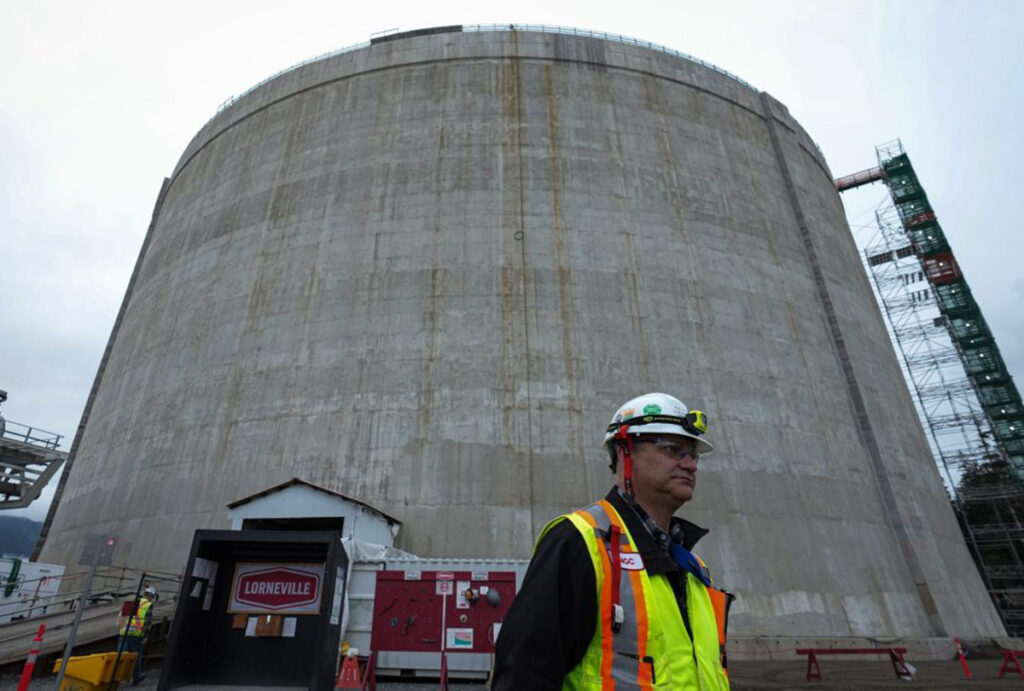
The Westcoast natural gas pipeline system connects gas fields to consumers across British Columbia, Alberta, and the Pacific Northwest of the United States. The Sunrise expansion—a $4 billion project that took two years to secure federal approval—will add new segments of pipeline alongside the existing line to help meet growing demand for pipeline capacity in B.C. including from the Woodfibre liquefied natural gas (LNG) export terminal under construction in Squamish, roughly 60 kilometres north of Vancouver.
But while Minister Hodgson declared that “Canada is building again,” the Sunrise expansion adds only about 8 per cent to the system’s current capacity. And Canada’s LNG potential could support up to three more large pipelines to the Pacific coast. Yet again, large-scale pipelines and LNG terminals remain bogged down by Ottawa’s policy regime.
This includes the Impact Assessment Act of 2019 (Bill C-69), which introduced subjective criteria into project assessments such as the “intersection of sex and gender with other identity factors” and slows down projects by going well beyond an environmental review. According to a recent study, in the first five years of Bill C-69, only one project completed the full assessment process, taking about three and a half years. In contrast, 17 projects were assessed and approved in the first five years under the previous assessment system.



But rather than fix the system, last year the Carney government introduced Bill C-5, which allows cabinet (and effectively the prime minister) to fast-track projects deemed in the “national interest” although to-date the government has not greenlit any of the 15 projects identified under Bill C-5.
Worse, some energy project proponents fear this new process could actually expose project proposals to additional legal challenges, further delaying approvals. The result is a less predictable system and a murkier approval process, subject to the whims of cabinet and carrying the real risk of further delays.
Meanwhile, the Carney government is doubling down on Trudeau-era policies that increase the costs of building and operating LNG projects in Canada. Last December, Ottawa tightened federal methane regulations for the upstream oil and gas sector, adding an estimated $14.6 billion in additional compliance costs for the industry. And in May, Ottawa updated the federal industrial carbon tax trajectory, which rises from $95 per tonne of CO2 emitted in 2026 to $130 by 2035 and reaches $140 per tonne by 2040. Adding further costs that weigh on carbon-intensive initiatives such as LNG projects will continue to scare away investment.
And that’s the last thing the industry needs. Of the 18 LNG export projects proposed in Canada over the past decade, only one has been built and just two more are under construction.
What does all this mean for Canadian workers? According to the Conference Board of Canada, by developing 56 million tonnes of annual LNG export capacity in B.C. alone, the industry could generate $11 billion in economic activity and support roughly 96,550 jobs annually over the life of the projects. And because average earnings in the oil and gas sector are more than double the economy-wide average, if government fails to approve these projects, workers will miss out on higher-paying jobs and higher living standards.
Canada may be “building again” but Ottawa keeps ensuring it builds too little, too slowly. Until the federal government enacts a competitive policy framework, Canadians will watch opportunities to develop natural gas resources, grow the economy and create prosperity continue to slip away.
Share This:






















On The Verge: Energy Sector Primed for New Wave of Growth – ATB Economics