


 CDN NEWS |
  US NEWS









By Yogi Schulz
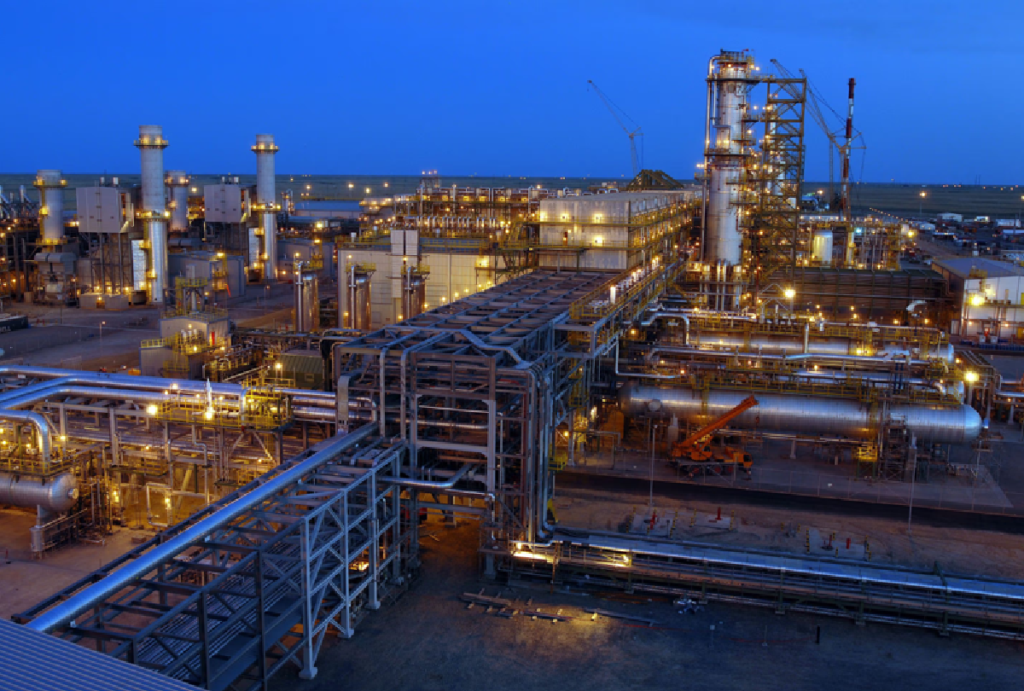
Oil and gas projects are among the most capital-intensive and operationally complex industrial undertakings in the global economy. Upstream, midstream, and downstream projects are routinely required to manage these characteristics to achieve success:
- Large dollar investments for the organization.
- Effective collaboration among multiple specialized disciplines.
- Lengthy regulatory approval timelines.
- Geographically dispersed stakeholders.
- Long timelines from initiation to completion.
- Lengthy lead times for critical materials and components.
- Intense environmental scrutiny.
- Considerable technical complexity.
Cost overruns, schedule delays, and technical difficulties can lead to project failures. Project failures can result in production underperformance, financial losses, regulatory penalties, and reputational damage. In severe cases, failures jeopardize the careers of associated leaders and corporate viability.
The development of oil and natural gas resources involves many projects. Examples include:
- Drilling and completing wells.
- Building upgraders and refineries.
- Constructing oil terminals.
- Going public.
- Gas plant turnarounds.
- Merging with another producer.
- Constructing pipelines and gathering systems.
As with other categories of work, the list of reasons that can lead to disappointment or failure of these projects is longer than the list of best practices that lead to success. Preventing project failure requires disciplined attention to the interconnected management, engineering, operational, and organizational topics listed below, which are required for successful completion.
Sufficient front-end planning
One of the leading causes of project failure is inadequate front-end planning. A frequent reason for rushed or incomplete planning is pressure from management to get on with it.
Poorly defined project objectives, unclear technical requirements, and insufficient economic analysis create instability, including nasty surprises about scope, cost, and schedule, throughout the project lifecycle.
Front-end planning (FEP) improves project outcomes by ensuring:
- Reservoir and production assumptions are validated.
- Economic models are realistic.
- Stakeholder expectations are analyzed.
- Regulator concerns are anticipated.
- Technical and business environment risks are considered.
- Project scope is clearly defined.
Well-executed FEP reduces late-stage engineering changes and vendor underperformance, two of the largest drivers of cost escalation in oil and gas developments.
In-depth scope defence
Scope creep frequently occurs when additional features, appealing technologies, or new operational requirements are introduced after execution begins. While often well-intentioned, these additions lead to schedule and cost overruns.
In-depth scope defence is achieved by:
- Stating the elements of project scope as precisely as possible.
- Documenting all proposals for scope additions.
- Deferring approval of scope additions to follow-on projects except in the most urgent circumstances.
- Using accumulated scope proposals to define follow-on projects.
Strong governance processes help ensure that scope additions are rarely approved.
Ongoing risk management
Oil and gas projects operate in a highly uncertain business environment. Commodity prices fluctuate, supply chains become constrained, geopolitical risks emerge, and subsurface conditions can differ from initial models and assumptions. Too often, projects conduct a single risk assessment, never update it, and forget to implement mitigations.
Effective risk management requires:
- A comprehensive risk register.
- Quantitative risk analysis.
- Risk mitigation planning and execution.
- Repeated risk reassessments.
Oil and gas projects that fail often underestimate low-probability but high-impact events. Scenario planning allows project teams to evaluate multiple future conditions, including low oil prices, construction disruptions, regulatory changes, or reservoir underperformance.
Determined leadership and governance
Weak governance structures frequently contribute to major project problems. Leadership instability or unclear accountability can delay critical decisions and create confusion about project direction. Large oil and gas developments require rapid decision-making combined with strong accountability mechanisms.
Effective governance includes these elements:
- Executive project sponsorship.
- A steering committee.
- Experienced project management.
- Clear reporting structures.
- Transparent issue escalation processes.
Oil and gas project leadership balances technical, financial, environmental, and stakeholder priorities that are often contradictory.
For more information about project leadership and governance, please look at our new book: A Project Sponsor’s Warp-Speed Guide: Improving Project Performance.
Significant digital transformation and data integration
Oil and gas projects generate enormous volumes of engineering, operational, geological, and supply chain data. Project failures often occur when information remains fragmented across disconnected systems.
Digital approaches improve project outcomes through:

- Integrated project management platforms.
- Real-time construction monitoring.
- Predictive analytics.
- AI-assisted forecasting.
- Automated reporting systems.
Digital twins, for example, allow operators to simulate operational conditions before commissioning facilities. Predictive analytics can identify maintenance risks before failures occur. Integrated data environments also improve collaboration between engineering contractors, operators, and suppliers. Better information visibility reduces rework, scheduling conflicts, and procurement delays.
Digital transformation has become a failure prevention mechanism rather than simply an efficiency initiative.
Look-ahead supply chain and procurement management
Global oil and gas supply chains are highly vulnerable to disruption. Delayed equipment deliveries, material shortages, contractor failures, and logistics bottlenecks can significantly impact project execution. Many project failures result in part from overly optimistic procurement assumptions.
Strong procurement management for projects includes:
- Early supplier engagement.
- Vendor qualification processes.
- Inventory visibility.
- Logistics planning.
- Contract performance monitoring.
Long-lead equipment, such as compressors, turbines, subsea systems, and drilling components, requires particularly careful management.
Projects that build flexibility into supply chains and maintain alternative sourcing strategies are generally more resilient.
Adequate workforce capability and organizational culture
Oil and gas projects depend heavily on specialized expertise. A shortage of experienced engineers, geoscientists, project managers, welders, instrumentation technicians, or drilling personnel can significantly increase execution risk. A culture that suppresses bad news can allow manageable issues to evolve into major project failures.
Organizations reduce workforce-related failure risk through:
- Workforce planning.
- Skills development.
- Knowledge transfer.
- Succession planning.
- Cross-functional collaboration.
High-performing project organizations encourage:
- Early issue reporting.
- Technical transparency.
- Lessons-learned sharing.
- Continuous improvement.
- Safety accountability.
Ongoing attention to safety and process integrity
Major industrial incidents can permanently damage oil and gas projects and companies. Safety failures often stem from weak operational discipline, inadequate hazard analysis, or insufficient process safety management.
Failure prevention on projects requires rigorous attention to:
- Hazard and operability studies (HAZOP).
- Process safety management.
- Mechanical integrity programs.
- Emergency response planning.
- Safety leadership.
The industry has repeatedly learned that cost-reduction efforts too often compromise safety systems or maintenance integrity.
Regular stakeholder and regulatory management
Oil and gas projects operate within increasingly complex environmental and social governance expectations. Delays frequently occur due to inadequate stakeholder engagement or inadequate regulatory planning.
Successful projects proactively address:
- Indigenous engagement.
- Environmental compliance.
- Community relations.
- Land access.
- Emissions management.
- Water use concerns.
Projects that integrate regulatory and stakeholder considerations early in planning generally experience fewer delays and legal challenges.
Continuing capital discipline and economic resilience
Commodity price volatility creates constant financial pressure in the oil and gas sector. Projects that rely on optimistic product pricing forecasts are vulnerable during downturns.
Capital discipline includes:
- Conservative economic modelling.
- Phased investment strategies.
- Strong cost controls.
Organizations increasingly favour shorter-cycle, modular, and scalable developments that can adapt to changing market conditions.
Projects designed with operational flexibility are better positioned to survive commodity downturns without becoming stranded assets.
Conclusion
Oil and gas project failures rarely result from a single issue. Most failures emerge from the interaction of technical uncertainty, weak governance, poor communication, inadequate planning, and insufficient risk management.
Organizations that consistently deliver successful projects typically emphasize front-end planning, integrated governance, digital transformation, workforce capability, supply chain resilience, and process safety. They also maintain capital discipline while adapting to evolving regulatory and stakeholder expectations.
As the industry continues to navigate energy transition pressures, decarbonization requirements, and technological disruption, the ability to execute reliable, resilient projects will remain a major competitive differentiator for oil and gas companies worldwide.
Share This:





















NEW EPISODE #14: WATCH: 3 MINUTE HISTORY CANADA – The National Energy Program – Trudeau’s Energy Bomb on Alberta