


 CDN NEWS |
  US NEWS







‘Two months ago, if you said oil is going to be the low 80s, you’d pop the champagne,’ said Ensign Energy Services Inc. president Bob Geddes
By This Article and More by Steven Wilhelm Here
Original: financialpost.com/business/energy/canada-oil-gas-drillers-making-money-busiest-may-since-2014/wcm/6acce87b-0c18-4fbe-af44-ddf94508e35f
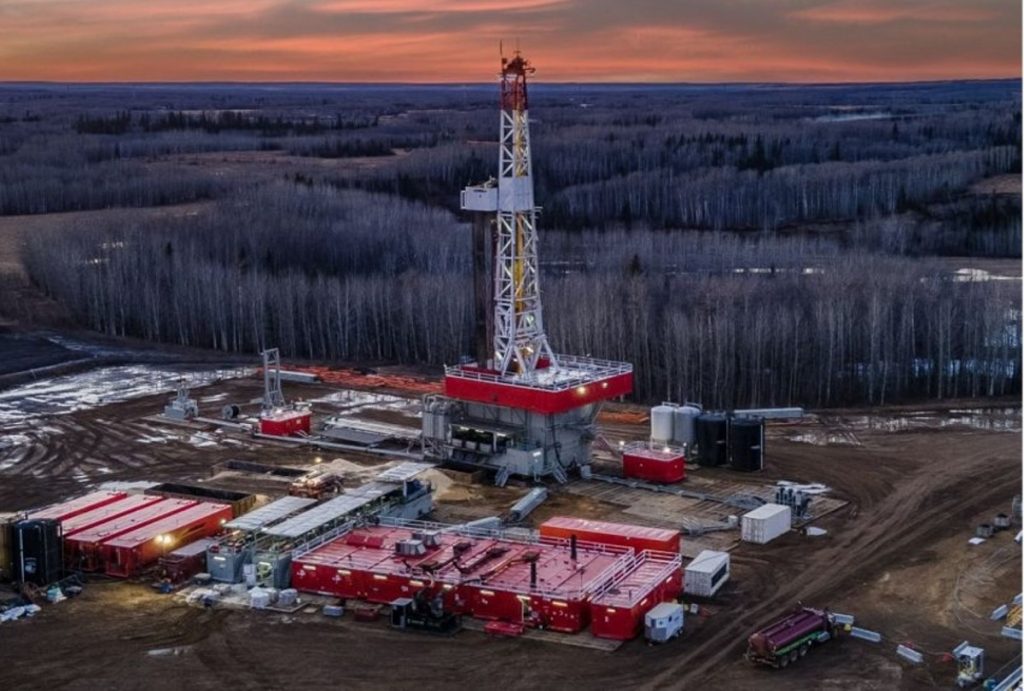
High oil prices are propelling a new rush for black gold across Western Canada, with drillers getting the most action they’ve had in more than a decade.
“We’re fielding more calls for rigs, probably the busiest I’ve seen it in 10 years,” Bob Geddes, the president of Ensign Energy Services Inc., a Calgary-based drilling outfit, said in an interview.
A total of 160 rigs were actively drilling for oil and gas across Canada in May, a 45 per cent increase over the same period last year, according to energy technology company Baker Hughes.
It’s also the most drilling activity since 2014, analysts at ATB Cormark Capital Markets wrote in a recent note, based on Baker Hughes’ data. That was the last time there was a major spending boom in the oilpatch — before rock-bottom energy prices sent the industry spiralling toward mass layoffs and spending cuts.
While employment in the oil and gas industry has not returned to levels of a decade ago, the outlook for the industry is quite different now — oil prices are high and production is growing.
Geddes said Ensign is running 40 of its rigs in Canada this spring, an increase of nearly 43 per cent over last year; it also plans to bring another 10 online through June.
“Rigs that are running are making money,” Geddes said. “What’s driving it in Western Canada is the price of oil, absolutely.”
‘Strong producing signals’
Before the conflict in the Middle East effectively shut the Strait of Hormuz — sending the world into an energy crisis — some projections pinned North American oil prices averaging between US$50 and US$60 per barrel through 2026.
Since the conflict started, oil has surpassed US$100 per barrel several times, and it’s expected to hover in the low US$80-range through this year and into 2027. On Wednesday afternoon, prices were above US$96 per barrel.



“Two months ago, if you said oil is going to be the low 80s, you’d pop the champagne,” Geddes said.
Mark Scholz, chief executive of the Canadian Association of Energy Contractors, said that while the increased rig activity is partly in response to oil prices, there’s also improved confidence across the industry.
“We’re seeing some really strong producing signals, market signals, but I also think, generally speaking, some good political signals that businesses can take to the bank and start growing again,” Scholz said.
Industry optimism amid Alberta-Ottawa deal
Geddes said that at the beginning of this year, some in the industry were skeptical of the federal government’s pipeline pledges. But now, he argues, there’s been a shift in tone.
“I think a few people in Ottawa are starting to understand that this strong oil price and production are good for all of Canada,” Geddes said, adding he’s optimistic about the talks between Alberta and the federal government.
Last month, Premier Danielle Smith and Prime Minister Mark Carney inked a deal on industrial carbon taxes, the third of four puzzle pieces the federal government outlined as requirements for a new pipeline to the West Coast.
The final piece is a deal between Canada’s largest oilsands producers and the federal and provincial governments to advance a multibillion-dollar carbon capture and storage network, known as the Pathways project.
Neither a route nor a price tag for Alberta’s proposed pipeline to the B.C. coast is known, and the project itself is contingent on Pathways moving forward.
For those working on oil and gas rigs, Scholz said there’s a different energy now than there was over the past decade.
“They’re starting to get really excited about their careers and their future,” he said. “They see that Canada has taken a different approach to energy development, and that means they’re going to have a long stretch of solid work ahead of them.”
— With files from Reid Southwick, Financial Post
[email protected]
Share This:






















On The Verge: Energy Sector Primed for New Wave of Growth – ATB Economics