


 CDN NEWS |
  US NEWS









In today’s oil and gas facilities, digital instrumentation plays a major role in how operators monitor, control, and optimize their processes. Pressure transmitters send critical data back to control rooms, automation systems, and remote monitoring platforms, allowing teams to track conditions across complex operations.
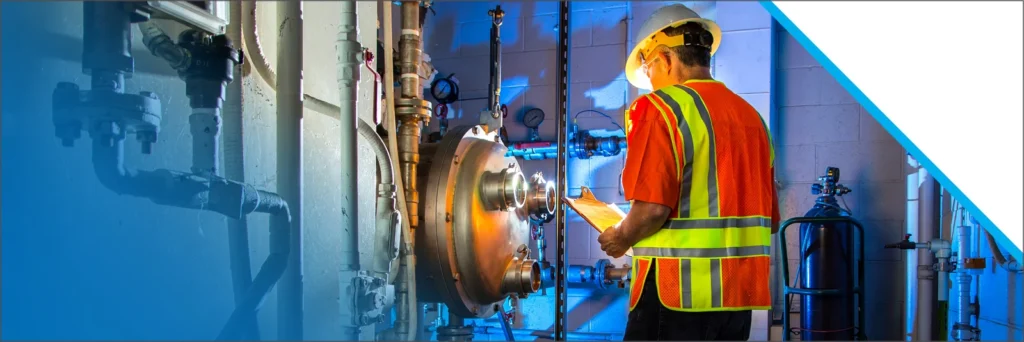
But even with advanced electronic monitoring, there is still an important place for a simple, reliable, mechanical pressure gauge.
For oil and gas producers, processing facilities, refineries, terminals, and pipeline operations, pairing an analog pressure gauge with a pressure transmitter can provide a practical layer of visibility. The transmitter delivers continuous electronic pressure data to the control system, while the mechanical gauge gives operators and technicians a direct local reading at the process connection.
That combination can make a meaningful difference during startup, troubleshooting, maintenance, and unexpected signal interruptions.
Local Pressure Indication Still Has Value
Pressure transmitters are commonly used in oil and gas applications because they allow pressure data from air, gas, steam, and liquid processes to be communicated over long distances. These devices typically convert the pressure measurement into an electrical signal, such as 4-20 mA, which can then be sent to a control room or automation system.
This remote visibility is essential for modern facilities. It helps operators monitor changing conditions, identify process issues, and respond quickly when pressures move outside expected ranges.
However, a pressure transmitter does not always give field personnel the immediate visual confirmation they need at the measurement point. If a technician is standing beside the equipment during maintenance or troubleshooting, they may still need to confirm what is happening locally — without relying entirely on a control room display, wiring, or a digital signal.
That is where an analog pressure gauge remains useful.
Mechanical pressure gauges provide local pressure indication directly at the process. They operate without electrical power because they are driven by the pressure of the process itself. This makes them especially valuable in situations where a signal is unavailable, communication is interrupted, or a power issue affects electronic instrumentation.
A Practical Backup During Power or Signal Loss
Power loss, signal interruptions, and communication faults are not everyday events, but when they happen, visibility matters.
A mechanical pressure gauge can continue displaying pressure even when the electronic signal from a transmitter is unavailable. This gives operators and technicians a way to verify whether pressure or vacuum is still present in the line, vessel, skid, or process connection.
In oil and gas operations, this type of local confirmation can support safer troubleshooting and more confident decision-making. It gives field teams an immediate reference point before taking the next step, especially during shutdowns, startups, maintenance activities, or equipment checks.
It also helps answer a key question quickly: is the issue with the process, or is it with the instrumentation?
Supporting Troubleshooting and Maintenance
When a pressure transmitter appears to be reading incorrectly, a nearby mechanical gauge can provide a quick comparison point. If the gauge and transmitter are showing different results, the technician has a better starting point for diagnosing the problem.
The issue may be related to the transmitter, wiring, calibration, impulse line, process connection, or control system. Without a local gauge, troubleshooting can become more time-consuming because personnel may have fewer direct reference points at the equipment.
For oil and gas facilities where downtime is costly and maintenance windows are limited, small improvements in troubleshooting efficiency can have a real operational impact.
Mechanical gauges are also relatively simple, cost-effective, and easy to read. In many applications, a properly selected gauge with a visible dial face gives field staff a fast way to check pressure during routine rounds, inspections, or equipment verification.
Choosing the Right Gauge for the Application
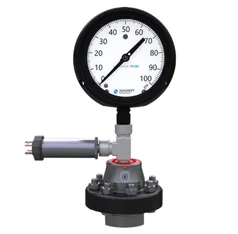
Adding a mechanical pressure gauge is not just a matter of installing any gauge beside a transmitter. Selection matters.
Oil and gas applications can involve vibration, pulsation, high pressure, corrosive media, temperature extremes, and challenging outdoor environments. A gauge that is not suited to the application may fail prematurely, provide unreliable readings, or create maintenance issues over time.
When selecting a pressure gauge, facilities should consider:
- Pressure range
- Process media compatibility
- Accuracy requirements
- Environmental conditions
- Vibration and pulsation
- Connection type and location
- Material compatibility
- Required accessories or protective devices
Depending on the application, additional components such as liquid-filled cases, diaphragm seals, siphons, snubbers, or corrosion-resistant materials may be needed to improve performance and service life.
The goal is not simply to add another instrument. The goal is to create a pressure measurement point that gives reliable, useful information over the long term.
Instrument Audits Can Help Identify Risks
In many facilities, pressure gauges and transmitters have been installed over many years, often across multiple projects, upgrades, and maintenance cycles. Over time, some instruments may no longer be ideal for the application they are serving.
Process conditions may have changed. Equipment may have been modified. Instruments may be operating outside their intended range. Materials may not be compatible with the current process media. Gauges may be exposed to vibration, temperature, or environmental conditions that reduce their lifespan.
A pressure and temperature instrument audit can help identify these issues before they become larger reliability or safety concerns.
For oil and gas operators, this can be especially valuable in critical applications where accurate pressure measurement supports process safety, environmental performance, and operational uptime.
The Best Results Come From the Right Combination
Pressure transmitters and analog pressure gauges do not have to compete with each other. In many applications, they work best together.
The transmitter provides electronic data for remote monitoring and control. The mechanical gauge gives local confirmation for people working in the field. Together, they support better visibility, easier troubleshooting, and more practical maintenance.
For Canadian oil and gas facilities operating in demanding environments, this combination can help improve confidence in the measurement point and reduce uncertainty when issues arise.
How Westech Industrial Can Support Pressure Measurement Applications
Westech Industrial works with Canadian oil and gas customers to support pressure measurement, instrumentation, analytical solutions, service, and custom-fabricated systems.
Through trusted manufacturing partners such as Ashcroft, Westech can help customers select pressure gauges, transmitters, and related accessories suited to the application. This includes reviewing process conditions, pressure ranges, material compatibility, environmental exposure, and installation requirements.
Westech also supports broader instrumentation and analytical projects through custom fabrication capabilities, including analyzer shelters, sample systems, integrated panels, and packaged solutions designed around site-specific needs.
For facilities looking to improve measurement reliability, update aging instrumentation, or review existing pressure and temperature devices, Westech’s technical team can help identify practical solutions backed by local support and field experience.
With more than 60 years of experience supporting Canadian industry, Westech Industrial brings together product knowledge, application support, service capabilities, and custom fabrication expertise to help oil and gas operators maintain safer, more reliable, and more efficient operations.
For more information about our Ashcroft pressure measurement solutions available through Westech Industrial, contact the Westech team at 1-800-912-9262 or [email protected].
Share This:























COMMENTARY – DOOMBERG – Geopolitical & Energy Predictions with Amazing Prescience – Maureen McCall