


 CDN NEWS |
  US NEWS







Oilsands major reported first-quarter profits of $1.6 billion, up 83% from a year earlier
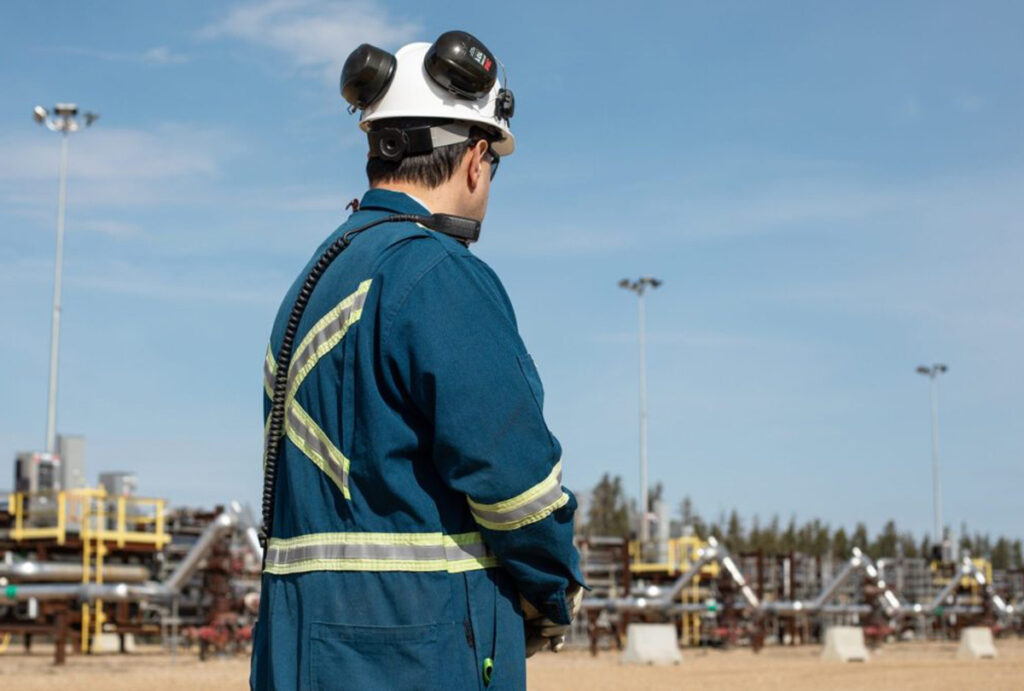
Cenovus Energy Inc. chief executive Jon McKenzie came out swinging Wednesday on the company’s first-quarter earnings call, criticizing federal regulations and carbon rules and blaming what he called Canada’s “myopic” focus on climate policy for discouraging investment in the country.
“Our uncompetitive national climate policies and regulations have not reduced global demand for oil by one barrel. It just means that the oil the world demands and the associated benefits are not coming from or to Canada,” McKenzie said Wednesday, noting that only one greenfield oilsands project has been approved and built since 2013.
“We should be an energy superpower.”
This is the second time in recent days that McKenzie has publicly criticized federal climate policies amid what appears to be a growing and organized pushback from industry to the industrial carbon tax.
The remarks come as the sector is closely watching negotiations between Ottawa and the Alberta government over a broad deal to accelerate energy development. The talks hinge on still unresolved questions over carbon pricing and a proposed carbon capture megaproject.
The two sides missed an initial April 1 deadline, with less than one month remaining until Alberta’s June 1 target date to submit its formal application for a proposed new bitumen pipeline to the West Coast to the federal major projects office.
Proponents of the industrial carbon tax say it is a key driver of Canada’s emissions reductions and are urging Ottawa not to delay plans to hike the minimum effective price on carbon credits to $130 per tonne. They argue the average per-barrel impact of the industrial carbon tax is too small to hurt Canada’s competitiveness, and that global oil prices have played a bigger role in deterring investment in the sector than domestic climate policy.
Industry, however, argues the carbon tax cannot be viewed in isolation. While the levy adds only a modest cost on incremental production growth, they argue it becomes a bigger barrier when added to Canada’s other regulatory hurdles, including lengthy project approval and permitting timelines, and policies such as the B.C. tanker ban.
Investment in the Canadian oilpatch in recent years has come primarily from mergers and acquisitions, brownfield expansions and “de-bottlenecking” projects aimed at boosting output from existing facilities — but those won’t be enough to fill a new million-barrel-a-day pipeline to the West Coast, McKenzie said Wednesday.
“The issue that we have to wrestle with is if we do want material growth, we have to have a competitive market that allows for greenfield development — and greenfield development comes at a higher cost and a higher breakeven than the growth that you’ve seen to date.”
The debate over carbon prices is ratcheting up as Canadian producers are reporting strong first-quarter earnings as war in the Middle East has disrupted crude flows from the Persian Gulf, driving up global prices for crude oil, natural gas and refined fuels.
Cenovus reported sharply higher first-quarter profits of $1.6 billion Wednesday, up 83 per cent from a year earlier, as the company recorded its first full quarter of operations since it acquired rival producer MEG Energy Corp.



The oilsands major posted record upstream production of 972,100 barrels of oil equivalent per day in the first three months of the year, driven largely by the integration of MEG’s oilsands assets at the newly named Christina Lake North project.
Cenovus also reported a six per cent increase in offshore production. The company said drilling is underway at its new West White Rose offshore project in Newfoundland and Labrador and reaffirmed that first oil is still expected in the third quarter of 2026.
The company beat analyst expectations for cash flow, reporting adjusted funds flow of $3.38 billion in the quarter, up more than 50 per cent from $2.21 billion in the same period last year.
Canada’s largest integrated oilsands producer, Suncor Energy Inc., similarly saw a big jump in profit in the first quarter. The company’s CEO, Rich Kruger, also weighed in on the debate over the competitiveness of the Canadian oilpatch at the company’s annual general meeting Tuesday.
“The conversation is moving from whether Canada should more fully develop its resources to how Canada should do this,” Kruger said. “But it will take national resolve to grow and compete globally with fiscal and regulatory policies to attract capital growth.”
So far this earnings season, industry executives have said that geopolitical turmoil in the Middle East is renewing interest in Canadian energy, while also creating profitable trading opportunities for domestic producers.
In its first-quarter earnings call Wednesday, Suncor executives underscored the company is no longer just a producer, but an increasingly nimble global energy trader.
Suncor traders took advantage of war-related market disruptions in March by sending diesel and jet fuel to the Philippines and Puerto Rico at “significant premiums” to benchmark prices, the company said.
The company has also stepped up exports of refined fuels like diesel from its Burrard terminal in British Columbia. It said 14 cargoes were shipped off the West Coast in the first quarter, compared to 28 cargoes in all of 2025.
However, a common refrain emerging this earnings season is companies arguing that Canada could expand the country’s global energy exports much further — if governments are willing.
“Building infrastructure has never been more relevant,” Enbridge Inc. chief executive Gregory Ebel said at the pipeline company’s AGM Wednesday, as he called for “regulatory clarity and reform” to incentivize investment and growth.
“This is not the moment to restrict where responsibly produced energy comes from. All electrons and molecules are needed to meet the demand.”
— With files from Naim Karim
- Email: [email protected]
Share This:






















On The Verge: Energy Sector Primed for New Wave of Growth – ATB Economics