


 CDN NEWS |
  US NEWS







Cogeneration systems are built for efficiency: generate steam, produce power, then reclaim heat in downstream processes before returning condensate back to the boiler loop. But that efficiency can erode quickly when organic contamination finds its way into the condensate return.
Many facilities monitor condensate purity using conductivity/resistivity, which is excellent for detecting ionic contaminants. The challenge is that many organics are non-conductive, meaning a condensate stream can look “clean” from a conductivity standpoint while still carrying the types of contaminants that cause expensive problems in boilers, turbines, heat exchangers, and polishing systems.
The hidden cost of organics in a cogen loop
Even small amounts of organics can lead to operational issues that snowball into downtime or performance loss. Common impacts include:
- Fouling of resins in make-up and condensate deionizers, increasing cleaning/replacement frequency
- Thermal breakdown into organic acids, lowering pH and contributing to corrosion in boilers and turbines
- Deposition on heat transfer surfaces, reducing heat exchanger performance and overall efficiency
- Boiler foaming and carryover, which can push contaminants into the steam side and accelerate damage
For Canadian energy operators, this is especially relevant in sites where steam and condensate touch process equipment and heat exchangers—such as upstream facilities, refineries, gas processing, and industrial plants that operate their own power/steam generation.
Where organics come from
In many cogeneration cycles, the highest risk is the purified condensate returning from production processes, where in-leakage or heat exchanger issues can introduce organics into the return stream.
Other potential sources include:
- Make-up water, especially where seasonal shifts push sites toward surface water, reclaimed sources, or variable municipal supplies
- Ion exchange resins themselves (resin fines and trace breakdown products)
- Lubricants, condenser leaks, polishing resins, and some chemistry additives within the steam/water cycle
A key operating reality is that organic and inorganic contamination don’t always appear together. That’s why plants can’t rely on conductivity alone if the goal is to protect equipment and maintain stable performance.
Why TOC is the early-warning signal operators actually need
Because many organic contaminants are non-ionic, condensate can appear ‘clean’ on conductivity while organics are still present Total Organic Carbon (TOC) provides a direct way to detect and trend organic contamination in high-purity water and condensate.
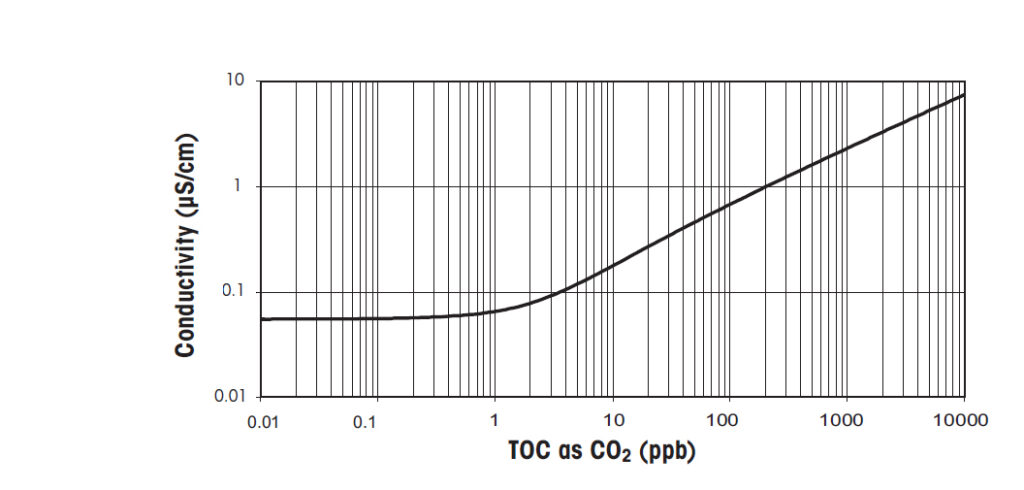
The basic concept in online TOC monitoring is straightforward:
- Oxidize organics (commonly using UV) to convert them into CO₂
- CO₂ forms carbonic acid in water, which partially dissociates into ions
- Those ions become measurable via conductivity, allowing TOC to be quantified continuously
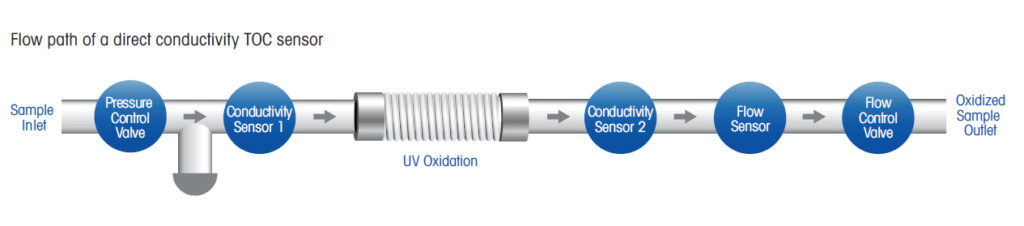
This turns “invisible” organic contamination into something a continuous analyzer can detect quickly—before organics become deposits, acids, or foam-related problems in the boiler house.
What to look for in an online TOC approach
When selecting or implementing online TOC monitoring in a cogeneration environment, it helps to think in terms of response time and reliability:
- Continuous measurement with fast response supports early intervention during process upsets or in-leakage events
- Designs that operate without moving parts, membranes, or chemicals can reduce maintenance burden and ongoing operating cost
- Some installations may require sample conditioning (for temperature) and filtration if particulates are present
It’s also important to place TOC measurement where it gives actionable insight—often around condensate returns from key heat users, polishing outlets, and other high-consequence points in the loop.
Bringing the solution into the plant
Once the facility understands where risk is highest, online TOC monitoring becomes a practical tool for:
- Detecting contamination early (before it becomes corrosion or fouling)
- Troubleshooting and isolating leak sources faster
- Protecting expensive assets and avoiding unplanned interruptions to steam/heat delivery
In many plants, TOC monitoring is implemented as part of a broader steam/condensate integrity strategy—giving operations and reliability teams an additional signal that helps confirm when the loop is drifting away from “clean” conditions.
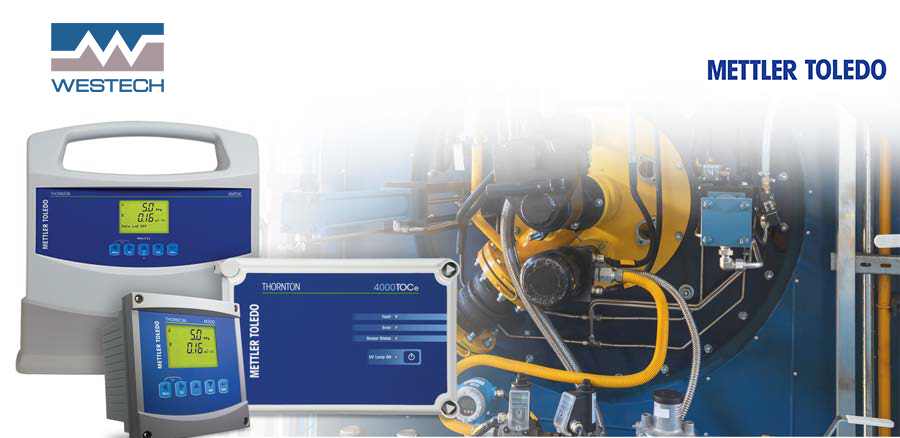
How Westech Industrial can help
Westech Industrial supports Canadian energy operators with instrumentation selection, application guidance, and implementation support for analyzers used in steam and condensate service. If you’re seeing unexplained fouling, resin issues, or efficiency drift—or you suspect intermittent in-leakage—TOC monitoring may be the missing diagnostic layer. For more information visit our website at https://westech-ind.com or call us today at 1-800-912-9262.
Share This:






















INSIGHT: Canada’s Natural Resource Sector is at the Heart of the Government’s ‘Export & Diversification’ Plan