


 CDN NEWS |
  US NEWS







Multilateral designs lift more energy with a smaller environmental footprint
Follow CEC on LinkedIn CEC LinkedIn
Follow CEC on Facebook CEC Facebook
Follow CEC on Twitter CEC Twitter
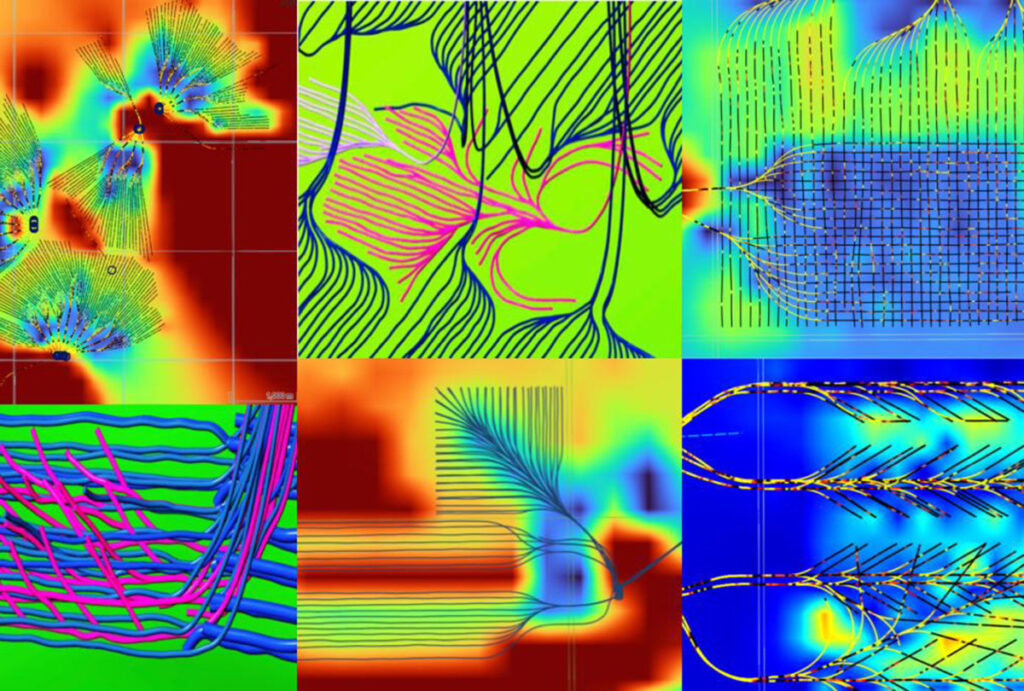
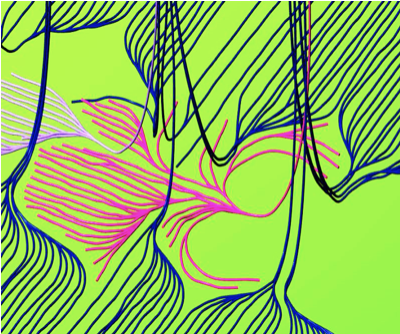
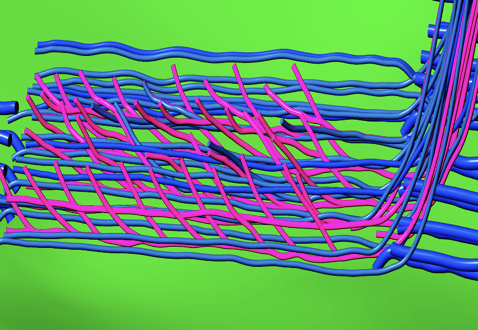
Multilateral well designs. Images courtesy Chinook Consulting Services
A “weird and wonderful” drilling innovation in Alberta is helping producers tap more oil and gas at lower cost and with less environmental impact.
With names like fishbone, fan, comb-over and stingray, “multilateral” wells turn a single wellbore from the surface into multiple horizontal legs underground.
“They do look spectacular, and they are making quite a bit of money for small companies, so there’s a lot of interest from investors,” said Calin Dragoie, vice-president of geoscience with Calgary-based Chinook Consulting Services.
Dragoie, who has extensively studied the use of multilateral wells, said the technology takes horizontal drilling — which itself revolutionized oil and gas production — to the next level.
“It’s something that was not invented in Canada, but was perfected here. And it’s something that I think in the next few years will be exported as a technology to other parts of the world,” he said.
Dragoie’s research found that in 2015 less than 10 per cent of metres drilled in Western Canada came from multilateral wells. By last year, that share had climbed to nearly 60 per cent.
Royalty incentives in Alberta have accelerated the trend, and Saskatchewan has introduced similar policy.
Multilaterals first emerged alongside horizontal drilling in the late 1990s and early 2000s, Dragoie said. But today’s multilaterals are longer, more complex and more productive.
The main play is in Alberta’s Marten Hills region, where producers are using multilaterals to produce shallow heavy oil.



Today’s average multilateral has about 7.5 horizontal legs from a single surface location, up from four or six just a few years ago, Dragoie said.
One record-setting well in Alberta drilled by Tamarack Valley Energy in 2023 features 11 legs stretching two miles each, for a total subsurface reach of 33 kilometres — the longest well in Canada.
By accessing large volumes of oil and gas from a single surface pad, multilaterals reduce land impact by a factor of five to ten compared to conventional wells, he said.
The designs save money by skipping casing strings and cement in each leg, and production is amplified as a result of increased reservoir contact.
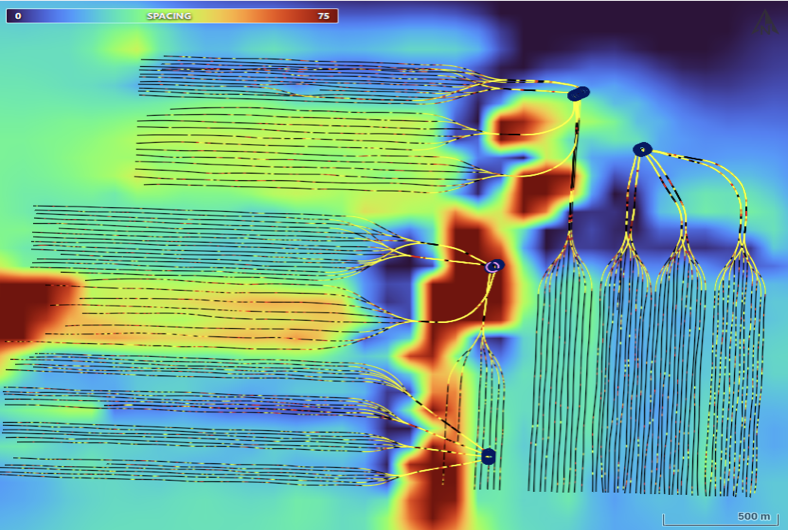
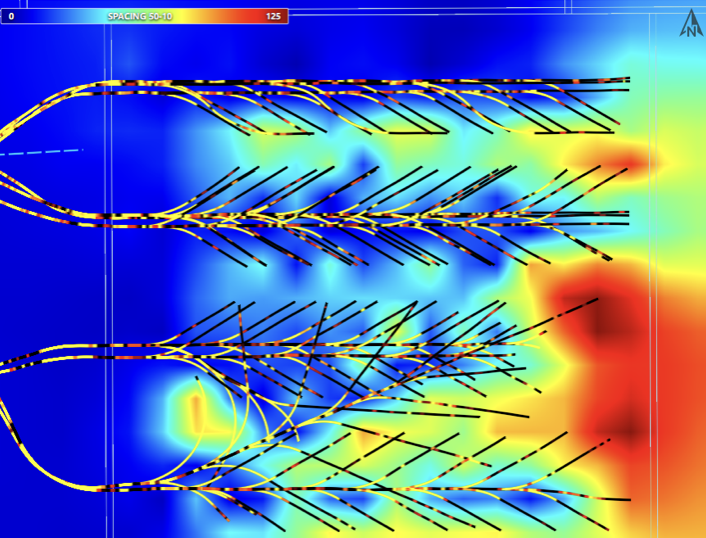
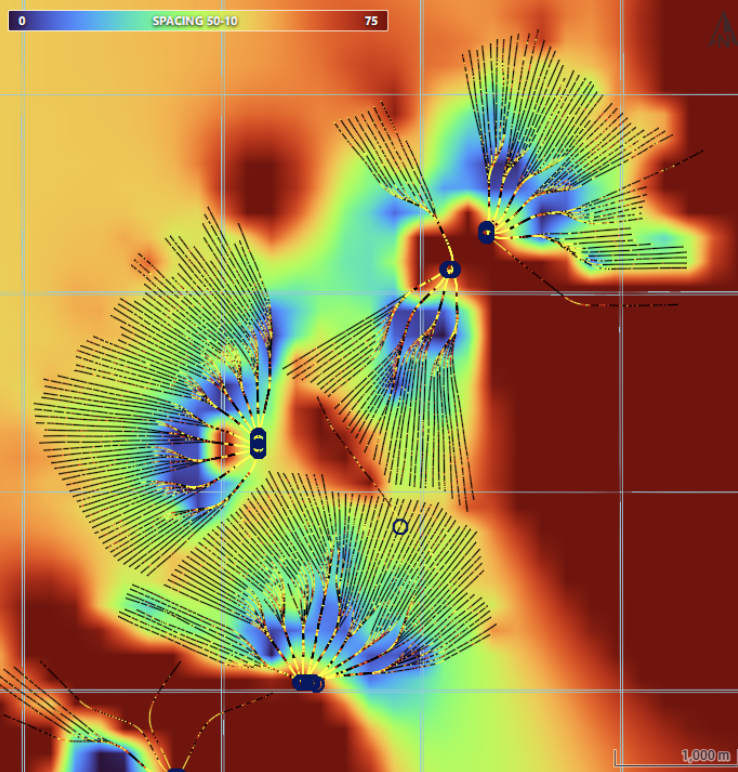
Here are examples of multilateral well design. Images courtesy Chinook Consulting Services.
Parallel
Fishbone
Fan
Waffle
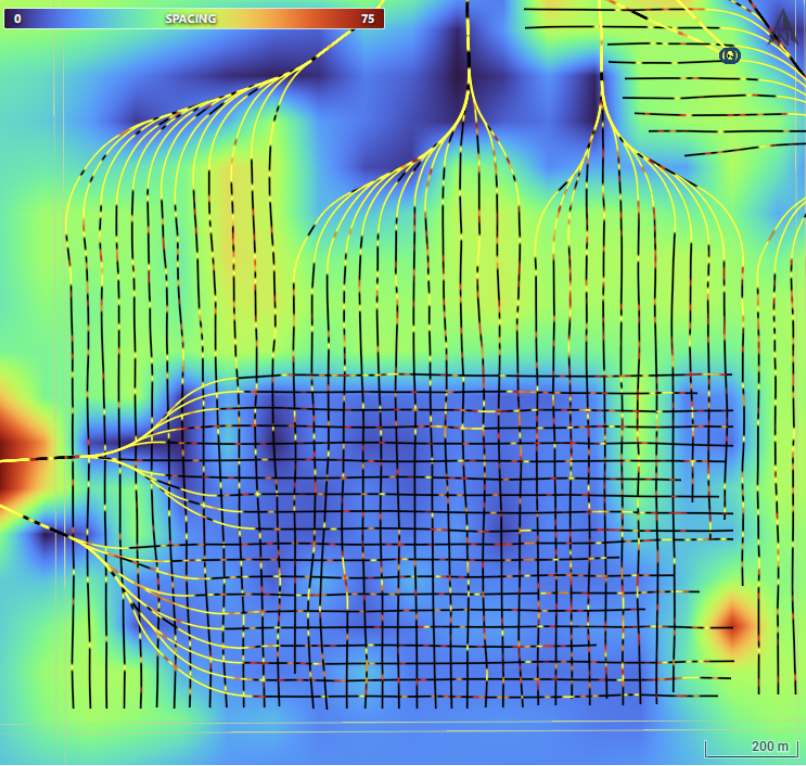
Stingray
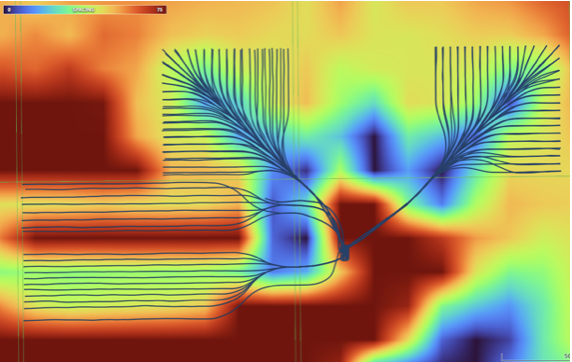
Frankenwells
The unaltered reproduction of this content is free of charge with attribution to the Canadian Energy Centre.
Share This:





















On The Verge: Energy Sector Primed for New Wave of Growth – ATB Economics