CDN NEWS |
  US NEWS







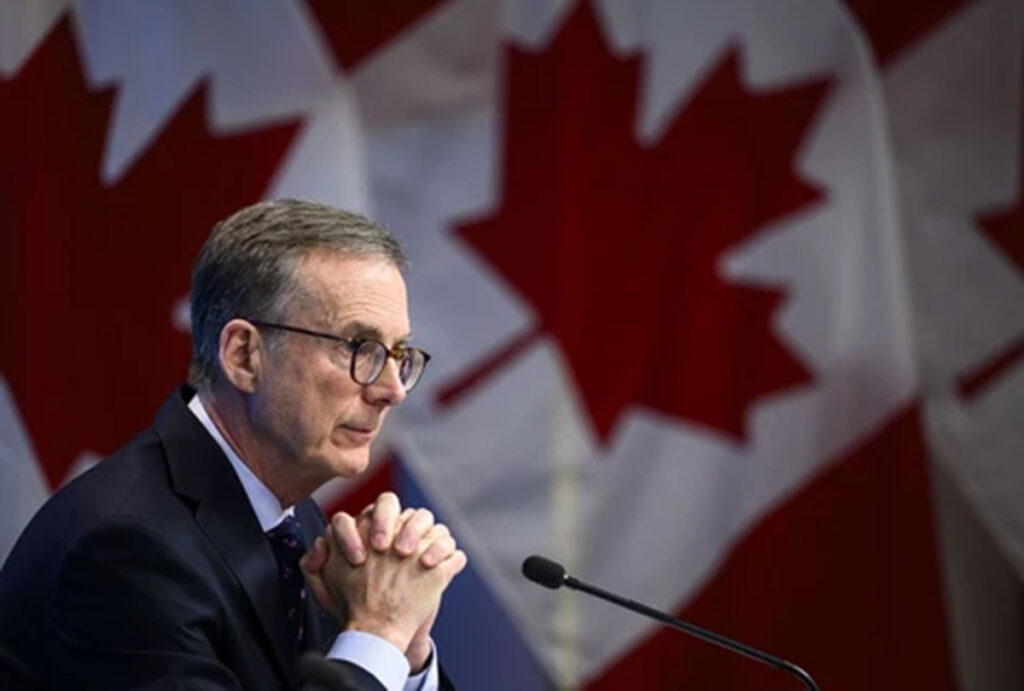
The job market has softened, core inflation — which excludes gas — has eased, and the federal government’s removal of retaliatory tariffs against the U.S. has reduced some “upside risk” to future inflation, governor Tiff Macklem noted in his opening remarks.
“Considerable uncertainty remains. But with a weaker economy and less upside risk to inflation, Governing Council judged that a reduction in the policy rate was appropriate to better balance the risks going forward,” he wrote.
The Canadian economy has seen a number of developments since July that influenced the bank’s unanimous decision to cut rates, Macklem added.
A snapshot of the Canadian economy
GDP declined in the second quarter, as the central bank expected, and exports to the U.S. fell after businesses initially front-loaded on inventory in response to U.S. tariffs. Businesses have pulled back on their investments, the governor noted.

Tariffs continue to have a “profound effect” on key Canadian industries such as auto, steel and aluminum — as do additional tariffs on copper and lumber and Chinese tariffs on canola, pork and seafood, he wrote.
Meanwhile, the Canadian economy has lost more than 100,000 jobs in the last two months and the unemployment rate has climbed to 7.1 per cent.
In addition to significant job losses in tariff-exposed sectors, employers in other industries are pulling back on hiring as uncertainty plagues the Canadian economy, Macklem explained.
Consumer spending was stronger than expected in the second quarter, but that could change as job market weakness weighs on Canadian households, he added.
Share This: