


 CDN NEWS |
  US NEWS







By Katarzyna (Kasha) Piquette, CEO Canadian Energy Ventures
I visited Poland for President Nawrocki’s inauguration last week, watching crowds from all regions waving flags in a vivid display of unity. That fervor echoed a deeper truth for me: just as Alberta, standing as Canada’s energy hub, is diversifying its energy mix, Poland is carving its own path toward energy sovereignty and independence within the EU.
Alberta, long known for vast oil and gas reserves, and now is increasingly diversifying its energy sources: in 2024, it added over 5.7 GW of renewable capacity and led all provinces in new renewable energy installations—accounting for 92% of Canada’s new renewable growth. This mirrors Poland’s own transformation: in June 2025, for the first time, renewables generated more electricity than coal, accounting for 44.1% of the mix, compared to coal’s 43.7%.
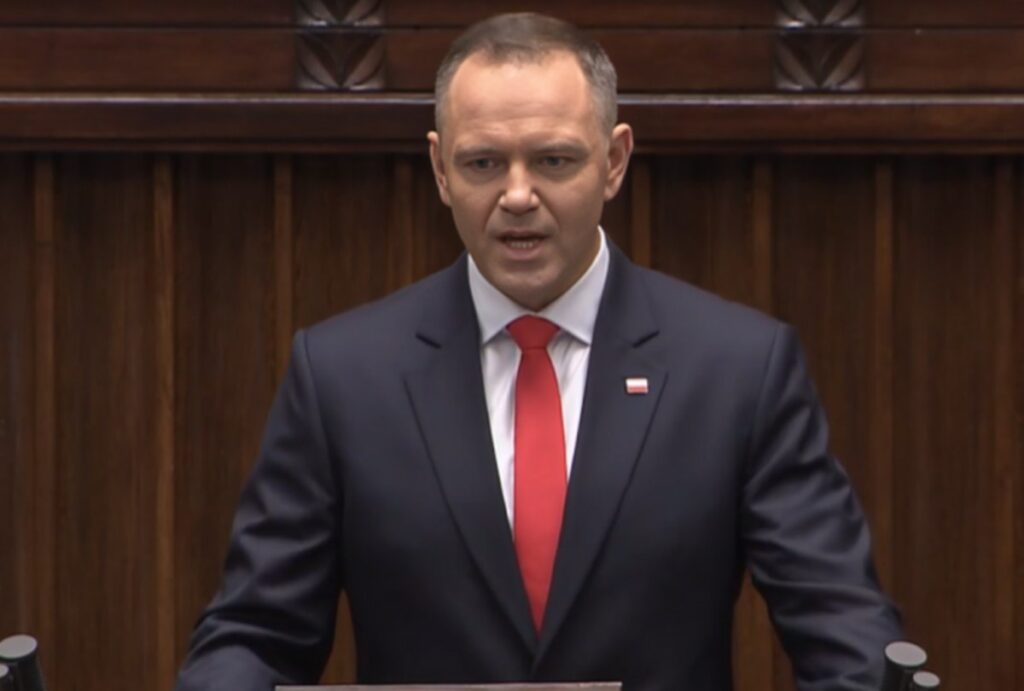
Against this backdrop, President Nawrocki declared in his inaugural speech:
“I will of course support relations within the European Union, but I will never agree to the European Union taking competences away from Poland, especially in matters that are not enshrined in the European treaties.”
These words underscore a key principle: energy security is not only about infrastructure—it’s about defending national autonomy.
Poland’s energy evolution, which includes offshore wind, solar, and the forthcoming nuclear projects, is not happening in isolation. In early 2025, Poland and Canada signed a nuclear power cooperation agreement, selecting Westinghouse (Canadian-owned) to help deliver Poland’s first coastal nuclear plant, with plans also underway for small modular reactors (SMRs).


In Canada, Alberta offers another lesson: it’s expanding markets beyond domestic borders. The province is exploring LNG exports to Japan amid evolving trade dynamics. Meanwhile, the Ontario provincial government has initiated a feasibility study for a cross-Canada energy corridor, a project that would transport energy from Alberta’s production regions eastward and out to tidewater ports.
Returning to Poland, Nawrocki also said:
“I will strive to make the Polish army the largest NATO force in the European Union.”
It’s a striking parallel: he couches national defense in the language of powerful alliances. This is what energy sovereignty looks like in practice, fortifying security, diversifying supply, and forging strategic partnerships while respecting national prerogatives.
In short, Poland’s energy transition, marked by renewable milestones, nuclear collaboration with Canada, and alignment with regional ambitions, is not just a technical shift. It’s a deliberate strategy to assert sovereignty, resilience, and European leadership. Both Alberta and Poland demonstrate that sustainable energy strategies can reinforce political independence and inspire allies across continents.
Share This:





















INSIGHT: Canada’s Natural Resource Sector is at the Heart of the Government’s ‘Export & Diversification’ Plan