CDN NEWS |
  US NEWS







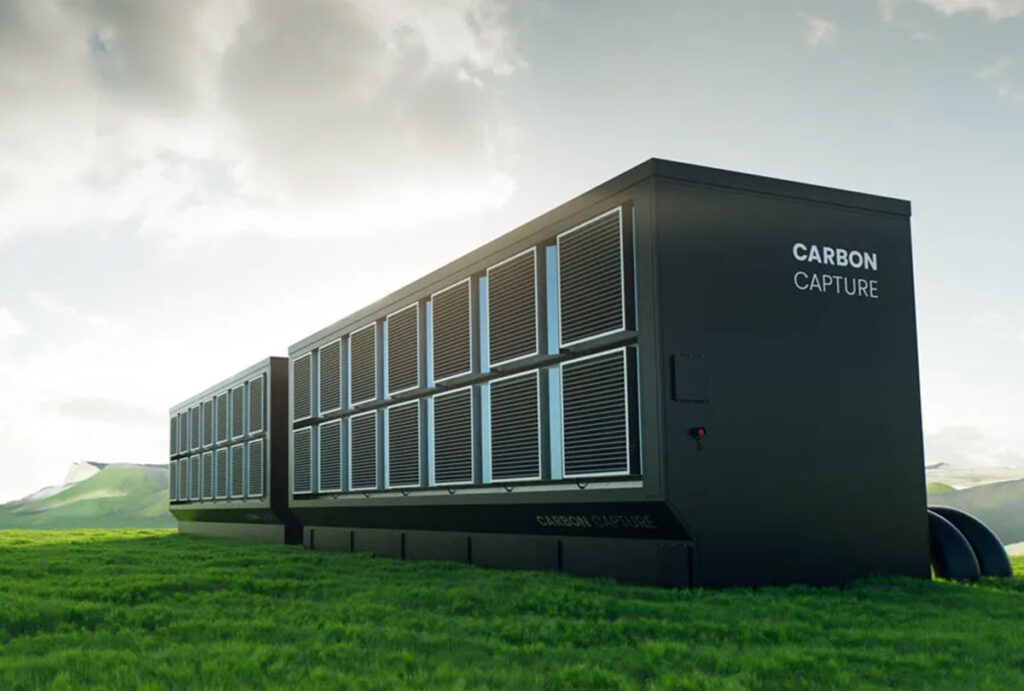
In case you missed it amid the din of Trump’s trade war, Prime Minister Carney is a big believer in “carbon capture and storage.” And his energy minister, Tim Hodgson, who said it’s “critical to build carbon capture systems for the oilsands,” wants the Smith government and oilsands companies to get behind a proposed project (which hasn’t been unable to raise sufficient private investment) in Cold Lake, Alberta.
The term “carbon capture and storage” (or CCS) essentially refers to technology that separates carbon dioxide (CO2) from emissions and either stores it or uses it for other products. Proponents claim that CCS could replace other more ham-handed climate regulations such as carbon taxes, emission caps, etc. The problem is, like many (or most) proposed climate panaceas, CCS is oversold. While it’s a real technology currently in use around the world (primarily to produce more oil and gas from depleting reservoirs), jurisdictions will likely be unable to affordably scale up CCS enough to capture and store enough greenhouse gas to meaningfully reduce the risks of predicted climate change.


Why? Because while you get energy out of converting methane (natural gas) to CO2 by burning it in a power plant to generate electricity, you have to put quite a lot of energy into the process if you want to capture, compress, transport and store the attendant CO2 emissions. Again, carbon capture can be profitable (on net) for use in producing more oil and gas from depleting reservoirs, and it has a long and respected role in oil and gas production, but it’s unclear that the technology has utility outside of private for-profit use.
And in fact, according to the International Institute for Sustainable Development (IISD), most CCS happening in Canada is less about storing carbon to avert climate change and more about stimulating oil production from existing operations. While there are “seven CCS projects currently operating in Canada, mostly in the oil and gas sector, capturing about 0.5% of national emissions,” CCS in oil and gas production does not address emissions from “downstream uses of those fuels” and will, perversely, lead to more CO2 emissions on net. The IISD also notes that CCS is expensive, costing up to C$200 per tonne for current projects. (For reference, today’s government-set minimum carbon market price to emit a tonne of CO2 emissions is C$95.) IISD concludes CCS is “energy intensive, slow to implement, and unproven at scale, making it a poor strategy for decarbonizing oil and gas production.”
Another article in Scientific American observes that industrial carbon capture projects are “too small to matter” and that “today’s largest carbon capture projects only remove a few seconds’ worth of our yearly greenhouse gas emissions” and that this is “costing thousands of dollars for every ton of CO2 removed.” And as a way to capture massive volumes of CO2 (from industrial emission streams of out the air) and sequestering it to forestall atmospheric warming (climate change), the prospects are not good. Perhaps this is why the article’s author characterizes CCS as a “figleaf” for the fossil fuel industry (and now, apparently, the Carney government) to pretend they are reducing GHG emissions.
Prime Minister Carney should sharpen his thinking on CCS. While real and profitable when used in oil and gas production, it’s unlikely to be useful in combatting climate change. Best to avoid yet another costly climate change “solution” that is overpromised, overpriced and has historically underperformed.
Share This: