CDN NEWS |
  US NEWS








SURFACE PIPE INSULATION
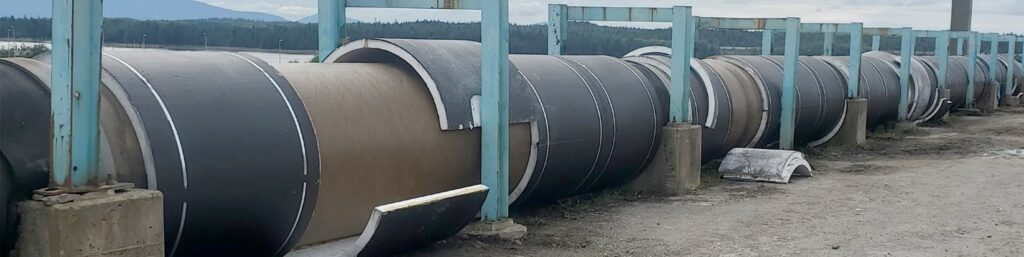
Problem
Clients are facing severe corrosion under insulation (CUI) on above ground pipelines due to constant moisture exposure because of improperly sealed thermal insulation such as mineral wool or foam glass trapping in moisture on the pipeline surface.
Expensive onsite installation with traditional mineral wool and metal cladding types of insulation.
LEARN MORE about Surface Pipe Insulation
Solution
Custom pipeline clam shells are built to fit every size pipe in our factory-controlled environment.
2lbs spray foam insulation with protective spray coatings will prevent freeze up, moisture penetrating through surface coating, and remove the problem of CUI.
WELL HEADS
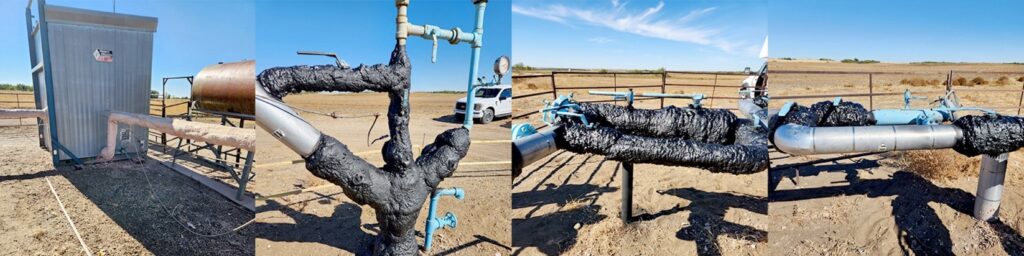
Problem
- Expensive and sometimes difficult to insulate with typical cladding and bat insulation.
- Mice and other animals nest, or damage other forms of removable insulation options.
- Freeze up in winter months leads to costly bills for Methanal or other de-icing chemicals – which comes around each and every year.
LEARN MORE about our Spray Foam Insulation for Well Heads
Solution
- Spray foam insulation with elastomeric top coating.
- Conforms to any shape or pipe layout.
- Durable UV resistant topcoat prevents mice and other animals from damaging the insulation.
- Keeps your wells flowing during the coldest temperatures, eliminating the need to spend yearly on additional chemical de-icing programs. Saving you millions.
- Low cost and minimal time onsite to install.
DITCH BREAKS
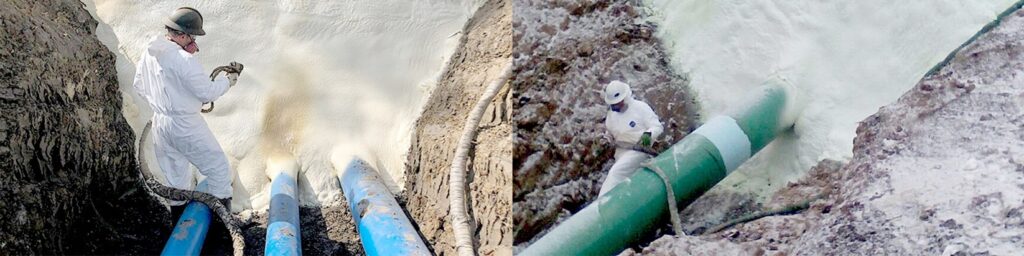
Problem
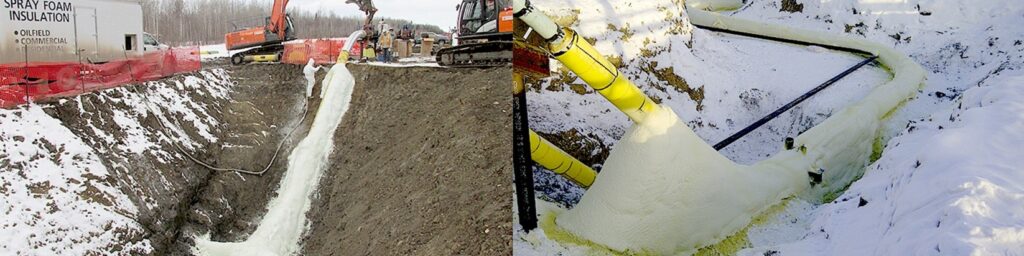
Soil erosion from water infiltration around buried pipelines can lead to ground subsidence and washouts, putting your infrastructure at risk—especially in hilly regions.
If unnoticed, this can accelerate surface casing erosion and compromise pipeline functionality. Leading to costly repairs to ensure long-term integrity and compliance.
Solution
Install spray foam insulation in large dam breaks along hilly sections to prevent fluid washout around pipelines. These Ditch Breaks are quick and easy to install by one or two workers without large equipment. They can be placed along embankments to prevent soil erosion.
Compacted bentonite or sand are labor-intensive, time-consuming (especially when frozen), and can affect pipeline coatings over time. Spray foam insulation has zero adverse effects on the pipeline coatings.
ROCK GUARD
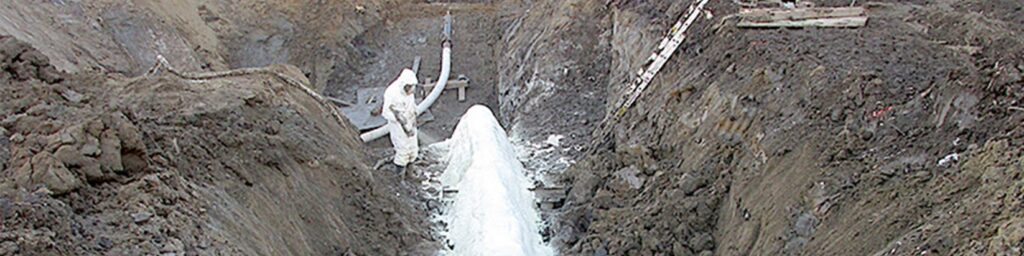
Problem
Sharp and large aggregate hitting external coating on pipeline during the backfill process can lead to small nicks and scratches.
This could lead to eventual coating failure and or accelerated pipeline corrosion issues.
Solution
Durable, compaction and impact resistant, spray foam insulation on the pipeline provides quick installation, eliminating the need for sand compaction and preventing sharp aggregate from damaging the coating.
PIPELINE RISER INSULATION
Problem
Riser sections to transfer stations often freeze in winter.
Traditional insulation methods like mineral wool and cladding are hard to install and inefficient due to riser support designs, offering inadequate freeze protection.
LEARN MORE about Pipeline Riser Insulation
Solution
Applying 2–3 inches of high-density spray foam insulation prevents freeze-ups, conforms to any riser support system, and provides long-lasting insulation.
It prevents moisture buildup, reducing metal corrosion, and is quicker to install, saving time and labor. Ideal for pipeline riser sections.
VOID FILL
Problem
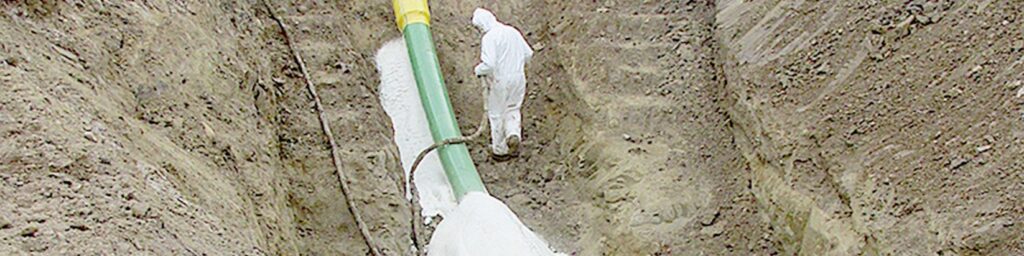
Gaps under pipelines can cause subsidence, water pooling, and corrosion.
While packing sand prevents these issues, it’s time-consuming and costly, often leading to budget overruns.
Solution
Spray foam fills voids under pipelines, preventing subsidence, water pooling, and labor-intensive work. It expands to fit any shape, is durable, water-resistant, and long-lasting.
One technician can complete the process quickly, saving time compared to packing sand.
PIPELINE PILLOWS
Problem
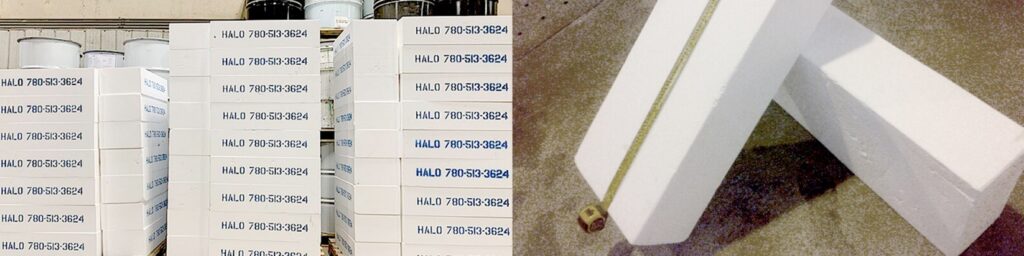
Using sandbags to support pipelines in trenches is labor-intensive, especially in winter when they freeze, become hard to position, and may tear.
This increases labor requirements when many sandbags are needed.
LEARN MORE about Pipeline Pillows
Solution
Lightweight polystyrene pipeline pillows easily stack under pipes, won’t break down after backfill, and come in various densities for different pipe sizes.
They resist compression, can be installed in any temperature, don’t absorb water, and can be cut to fit uneven trenches.
Committed to Excellence, Committed to Safety
Halo Environmental is committed to protecting the health and safety of everyone who plays a part in our operations, from our employees to our clients and the community’s in which we operate.
Here Are Some of Our Associations

Share This: