


 CDN NEWS |
  US NEWS







By: Tegan Hill and Jake Fuss
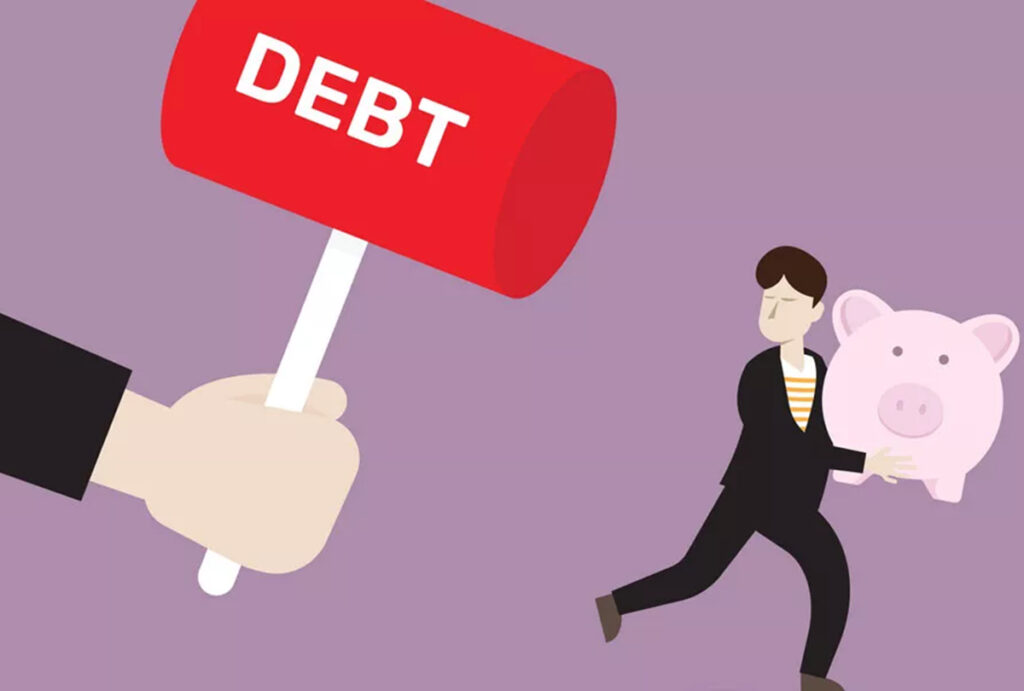
This fiscal year (2024/25), the federal government and eight out of 10 provinces project a budget deficit, meaning they’re spending more than collecting in revenues. Unfortunately, this trend isn’t new. Many Canadian governments—including the federal government—have routinely ran deficits over the last decade.
But why should Canadians care? If you listen to some politicians (and even some economists), they say deficits—and the debt they produce—are no big deal. But in reality, the consequences of government debt are real and land squarely on everyday Canadians.
Budget deficits, which occur when the government spends more than it collects in revenue over the fiscal year, fuel debt accumulation. For example, since 2015, the federal government’s large and persistent deficits have more than doubled total federal debt, which will reach a projected $2.2 trillion this fiscal year. That has real world consequences. Here are a few of them:
Diverted Program Spending: Just as Canadians must pay interest on their own mortgages or car loans, taxpayers must pay interest on government debt. Each dollar spent paying interest is a dollar diverted from public programs such as health care and education, or potential tax relief. This fiscal year, federal debt interest costs will reach $53.7 billion or $1,301 per Canadian. And that number doesn’t include provincial government debt interest, which varies by province. In Ontario, for example, debt interest costs are projected to be $12.7 billion or $789 per Ontarian.



Higher Taxes in the Future: When governments run deficits, they’re borrowing to pay for today’s spending. But eventually someone (i.e. future generations of Canadians) must pay for this borrowing in the form of higher taxes. For example, if you’re a 16-year-old Canadian in 2025, you’ll pay an estimated $29,663 over your lifetime in additional personal income taxes (that you would otherwise not pay) due to Canada’s ballooning federal debt. By comparison, a 65-year-old will pay an estimated $2,433. Younger Canadians clearly bear a disproportionately large share of the government debt being accumulated currently.
Risks of rising interest rates: When governments run deficits, they increase demand for borrowing. In other words, governments compete with individuals, families and businesses for the savings available for borrowing. In response, interest rates rise, and subsequently, so does the cost of servicing government debt. Of course, the private sector also must pay these higher interest rates, which can reduce the level of private investment in the economy. In other words, private investment that would have occurred no longer does because of higher interest rates, which reduces overall economic growth—the foundation for job-creation and prosperity. Not surprisingly, as government debt has increased, business investment has declined—specifically, business investment per worker fell from $18,363 in 2014 to $14,687 in 2021 (inflation-adjusted).
Risk of Inflation: When governments increase spending, particularly with borrowed money, they add more money to the economy, which can fuel inflation. According to a 2023 report from Scotiabank, government spending contributed significantly to higher interest rates in Canada, accounting for an estimated 42 per cent of the increase in the Bank of Canada’s rate since the first quarter of 2022. As a result, many Canadians have seen the costs of their borrowing—mortgages, car loans, lines of credit—soar in recent years.
Recession Risks: The accumulation of deficits and debt, which do not enhance productivity in the economy, weaken the government’s ability to deal with future challenges including economic downturns because the government has less fiscal capacity available to take on more debt. That’s because during a recession, government spending automatically increases and government revenues decrease, even before policymakers react with any specific measures. For example, as unemployment rises, employment insurance (EI) payments automatically increase, while revenues for EI decrease. Therefore, when a downturn or recession hits, and the government wants to spend even more money beyond these automatic programs, it must go further into debt.
Government debt comes with major consequences for Canadians. To alleviate the pain of government debt on Canadians, our policymakers should work to balance their budgets in 2025.
Share This:




















REALITY: Carney’s EU Deal Threatens Alberta, Energy, & Sovereignty – 170,000 Reasons to Reject Canada’s EU “Associate Membership”