


 CDN NEWS |
  US NEWS







By Jason Chiu
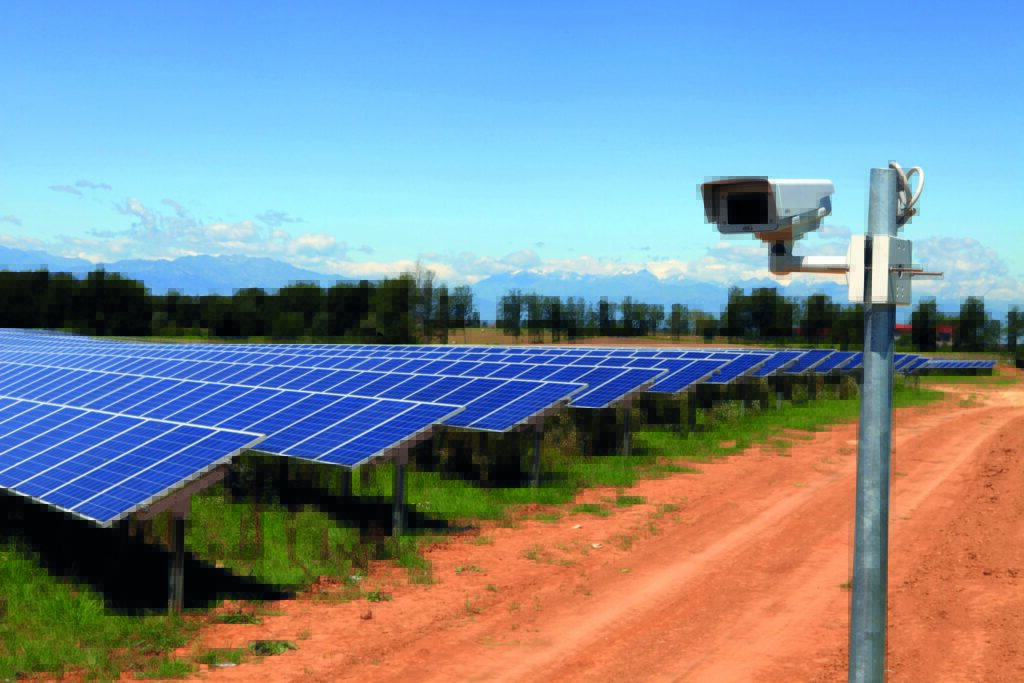
Solar Plant Overlooked by Axis Camera – Courtesy of Axis Communications
In any economy, a stable and reliable energy flow is the backbone of operations. It underpins industry, transportation, and household activities, shaping everything from economic stability to quality of life. For Canada, one of the world’s top energy producers, maintaining a steady energy supply is particularly vital. The energy sector not only contributes to Canada’s GDP, but it also supports hundreds of thousands of jobs across the country, spanning production, distribution, refining, and export.
With such a critical role in Canada’s economy, energy infrastructure must be safeguarded from both external and internal threats. However, securing these assets presents unique challenges. Pipelines, refineries, power plants, and transmission grids are often located in remote and difficult-to-access regions, making traditional monitoring methods less effective. This is where thermal and thermometric cameras come into play, offering advanced capabilities that go beyond conventional surveillance to provide comprehensive safety and operational oversight.
The Importance of Surveillance for Energy Infrastructure
Energy infrastructure in Canada is vast and complex, extending across diverse terrains and often operating in extreme weather conditions. Any disruption – whether caused by natural disasters, human error, or intentional sabotage – can have widespread repercussions. An interrupted energy flow can significantly impact industries, leading to financial loss, operational delays, and even safety risks for the public.
Traditionally, surveillance in energy infrastructure has been primarily focused on perimeter security, detecting unauthorized access or monitoring high-risk zones. However, as energy operations become more interconnected and reliant on complex systems, the scope of surveillance has broadened. Modern technologies, particularly thermal and thermometric cameras, are now capable of providing real-time insights into equipment health, spotting potential hazards, and alerting operators to maintenance needs before minor issues escalate into major failures.
Why Thermal and Thermometric Cameras?
Unlike conventional cameras, which rely on visible light to capture images, thermal and thermometric cameras detect thermal energy emitted by objects and convert this data into visual representations. This ability to see heat signatures makes them invaluable for monitoring energy infrastructure, especially in low-light or no-light environments. Because they rely on infrared radiation, thermal cameras can operate effectively in all lighting conditions, whether day, night, or adverse weather.
What’s the difference between thermal and thermometric cameras? Thermal cameras capture relative temperature differences within a scene, displaying thermally “hot” items in high contrast against the surrounding objects. This makes thermal cameras great for intrusion and general thermal monitoring. Thermometric cameras, on the other hand, can measure the exact temperature of each pixel in the image, allowing for precise monitoring and detailed analysis. This distinction is critical when monitoring sensitive areas, such as transformers, high-voltage equipment, or pipelines, where even a slight temperature change can indicate a developing problem.
Advantages of Thermal and Thermometric Cameras for Energy Infrastructure
Developing thermal and thermometric cameras across Canada’s energy infrastructure brings a range of advantages that enhance safety, security, and operational efficiency. Some of the key benefits include:
- 24/7 Detection and Monitoring. Since thermal cameras detect infrared radiation rather than visible light, they can provide continuous monitoring in all lighting conditions. This capability is crucial for remote energy sites where traditional lighting and surveillance systems may not be feasible. For instance, they can be used for intrusion and wildlife detection, as well as detect temperature changes in pipelines that run underground.
- Preventing Overheating and Catastrophic Failures. Equipment like switches, transformers, and electrical substrates are prone to overheating, which can lead to catastrophic failures if not addressed promptly. Thermometric cameras can send automated alerts when temperatures exceed safe thresholds, allowing operators to take proactive measures. For instance, in sites like coal piles or silos, a temperature increase of just a few degrees can indicate a fire hazard. By detecting these subtle changes early, thermometric cameras can help prevent accidents and safeguard both infrastructure and personnel.
- Real-Time Hazard Detection and Early Warning Systems. Detecting gas leaks or equipment malfunctions before they cause major damage is a primary advantage of thermal and thermometric surveillance. For instance, when monitoring oil and gas pipelines, these cameras can identify anomalies in temperature patterns that may indicate a crack or leak, enabling operators to address the issue before it escalates. With the integration of intelligent analytics, the cameras can even differentiate between false alarms and genuine threats, making them more effective and reliable.
- IP Integration. In addition to monitoring equipment health, both types of IP-based cameras can work in conjunction with analytics and other systems for additional functions. Built-in analytics can trigger preselected responses to deter intruders, such as activating floodlights, sending a recorded warning, or notifying security personnel in real-time. Operators can use live feeds to assess situations and deploy security or operations teams as needed, ensuring the site remains secure and operational.
- Reduced Costs Through Improved Efficiency. The extended detection range of thermal cameras means fewer cameras are needed to cover large areas, such as pipelines or refinery sites. Additionally, integrating intelligent analytics reduces the number of false alarms, allowing security personnel to focus on real threats rather than chasing irrelevant alerts. This efficiency translates into lower overall costs for monitoring and maintenance, making them a cost-effective solution for safeguarding extensive and remote infrastructure.
Use Cases in Canada’s Energy Sector
The versatility and reliability of thermal and thermometric cameras make them ideal for a range of applications across Canada’s energy sector. For example, in Alberta’s oil sands, these cameras can monitor steam generators and prevent overheating in extraction facilities. In British Columbia’s mountainous regions, where power lines often cross difficult terrain, thermal cameras can provide real-time updates on equipment status even during harsh weather conditions. As electric vehicles become more prevalent, thermal cameras can monitor energy and battery storage facilities for thermal runaway, ensuring safety. Additionally, in Ontario’s nuclear power plants, thermometric cameras are used to ensure that reactors and cooling systems operate within safe temperature ranges.
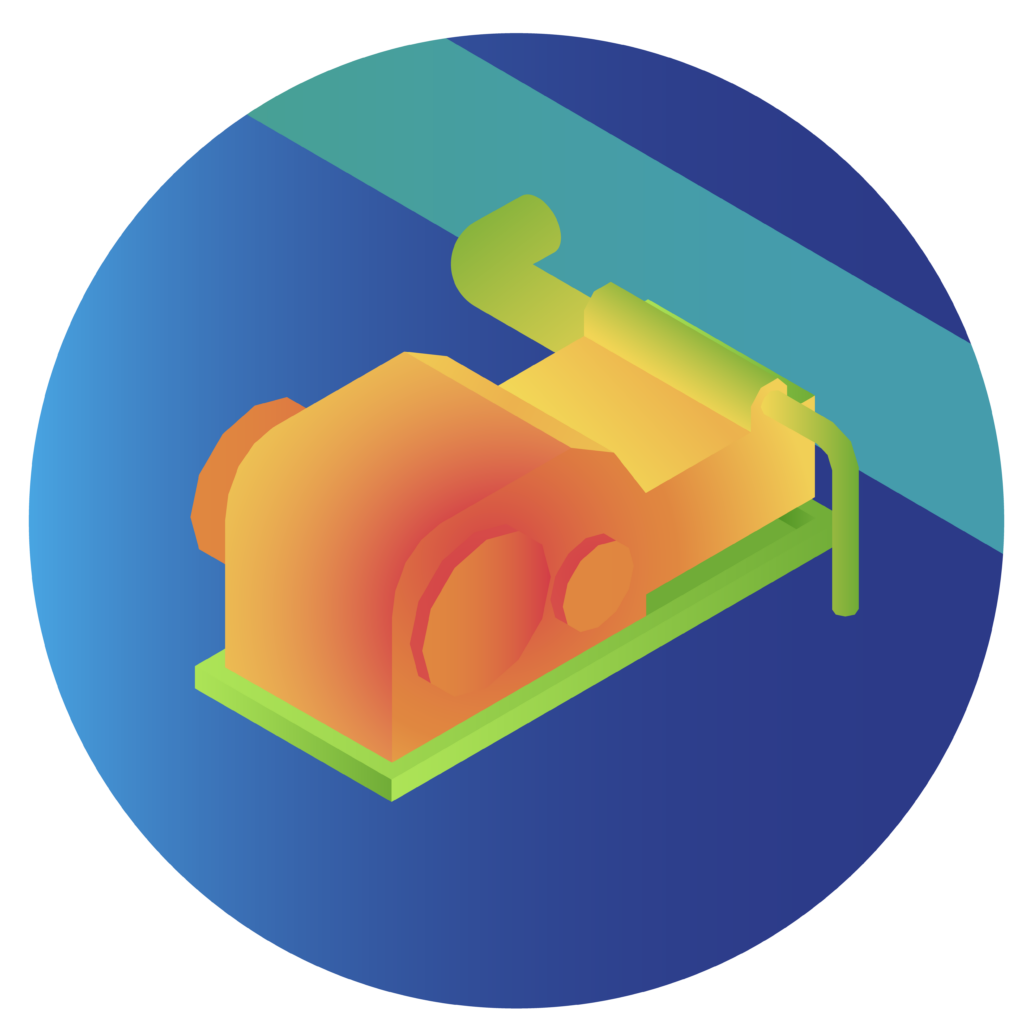
Thermal Image of Generator Overheating – Courtesy of Axis Communications
In renewable energy installations, such as wind farms or solar fields, thermal cameras can also detect equipment malfunctions that may reduce efficiency or pose safety risks. This versatility ensures that Canada’s energy infrastructure remains secure and operational, whether it is conventional or renewable.
Conclusion
In a country like Canada, where energy is both a crucial economic driver and a foundation of everyday life, ensuring the safety and efficiency of energy infrastructure is paramount. Surveillance technology, especially thermal and thermometric cameras, offers a powerful toolset for meeting these challenges. By providing real-time insights into equipment health, detecting potential hazards, and enhancing physical security, these advanced imaging solutions are helping Canada’s energy sector operate more safely and efficiency.
With these technologies in place, Canada’s energy sector can continue to thrive, supporting economic growth and stability while ensuring that its critical infrastructure remains resilient in the face of emerging threats.
Jason Chiu is the Professional Services Group Manager with Axis Canada. He has a background in IT and networking and has spent over 15 years in the security industry, from being an integrator, consultant, and manufacturer.
Share This:






















COMMENTARY: Carney Government’s ‘Export’ Plan Relies on Canada’s Natural Resource Sector – Fraser Institute