


 CDN NEWS |
  US NEWS







Indigenous employment in the energy sector has increased significantly in the last decade
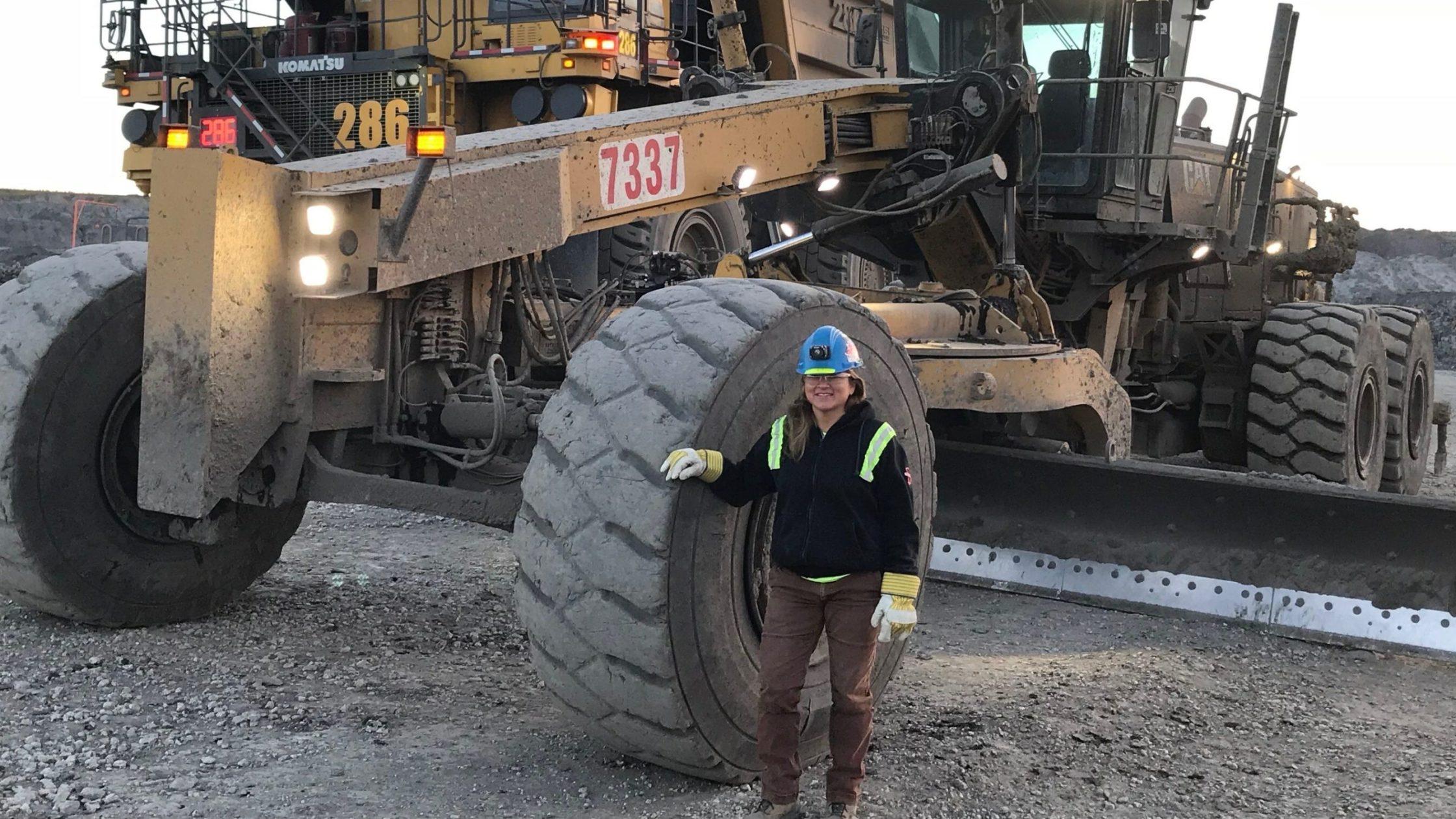
“Many Indigenous workers have become involved in the oil and gas, mining, and forestry sectors to benefit from good, high-paying careers – and socioeconomic impact comes from the economic impact.”

Indigenous workers represent 3.9 per cent of Canada’s workforce, but they make up 6.9 per cent of the energy sector. Also, Indigenous workers in the energy sector made 2.2 per cent more in weekly wages than average Canadian oil and gas workers in 2021.
A Government of Canada discussion paper says oil and gas is an important and growing employer of Indigenous people. Since 2014, Indigenous employment in Canada’s oil and gas sector has increased by more than 20 per cent, reaching an estimated 10,400 jobs in 2020, it said.
Spending with Indigenous-owned businesses is also rising. In 2019, companies in the oil sands spent more than $2.6 billion in procurement with about 250 Indigenous businesses, an increase of over 70 per cent compared to 2017 ($1.5 billion).
The federal paper noted $55 million in oil-and gas-related revenue was collected on behalf of First Nations in Alberta, Saskatchewan and British Columbia by Indian Oil and Gas Canada in 2018-2019.
“The big oil companies definitely want to have more Indigenous workers, and it’s not just altruism,” says Heather Exner-Pirot, director of energy, natural resources, and environment at the Macdonald-Laurier Institute. “First of all, companies need workers, and Indigenous workers happen to live very close to where a lot of companies operate and are younger on average compared to the aging Canadian workforce.”



Another component of growing Indigenous participation in the energy sector, and higher wages, is the investment community wants to see more Indigenous people employed in oil and gas, said Exner-Pirot, adding the endeavor is more than just good public relations.
“There are actually financial incentives on the ESG side, including a few points off interest and insurance rates,” she said. “Everyone has it on their agenda – they would like to recruit and retain more Indigenous workers because it’s one of the few untapped labour pools.”
Indigenous people are also achieving higher levels of education, said Exner-Pirot.
“In the Labour Force Survey that looks at weekly wages, in 2021 Indigenous people actually made more than the average oil and gas worker,” she said.
The Indigenous Resource Network wants to communicate a balanced story of Indigenous peoples’ relationship with the oil and gas sector, says Desjarlais.
But he says it’s not all good news. There are many individuals and families who’ve yet to connect with resource sector prosperity.
“We also want to tell the truth, which is why we are incredibly assertive about being non-partisan and grass roots – saying what’s working and what doesn’t work,” he says.
“To be truthful and fair to the oil and gas industry, we are achieving prosperity at greater rates than other industries. But there’s still a lot of controversy and challenge around permitting, consultation and rights.”
Share This:



















