CDN NEWS |
  US NEWS







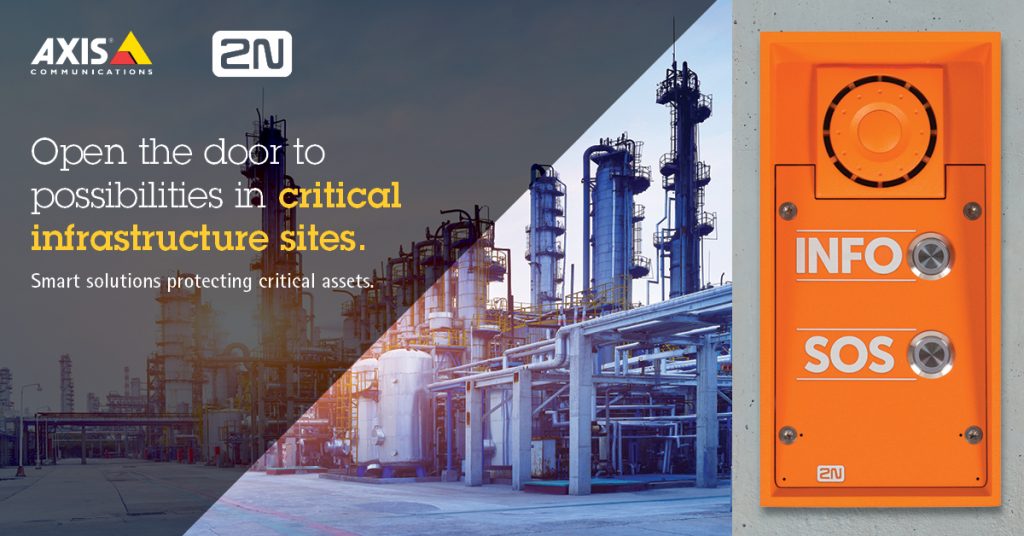
With increased security needs across critical infrastructure sites, particularly remote and minimally staffed or unmanned sites, operators across the country are being tasked to look to modern technology that address security and safety, related to building access, communication and control.
Intercom systems, oft thought to be simple two-way communication systems, are evolving in new ways that feature advanced capabilities to help intelligently support end users and system owners. These features now span automated monitoring and remote management to convenient, safe and secure ways to grant access to premises.
Smart intercoms deliver value
IP intercoms continue to grow in popularity, due to the increased functionality they support. Integrating technology into IP intercoms ensures that organizations have the flexibility to incorporate the functions they need for their business, especially when it comes to remote access.
Within the critical infrastructure industry, contactless methods (for example, QR codes or Bluetooth) allow simplified operations by allowing the distribution of temporary access rights digitally, in highly sensitive or limited access areas, in contrast to manually handling physical keys or access cards.
Implementing intelligent video or audio analytics capabilities can further support remote security teams by detecting incidents and triggering actions. For example, if an unauthorized person enters a restricted area or loud voices are detected, the intercom can automatically alert security staff, start a video recording and play a deterring message. This can also happen in scenarios where plant employees may be potentially exposed to imminent danger such a chemical spill or overloading equipment. Combined with intelligent video and audio, employees can be alerted and guided to safety or addressing the safety issue quickly before it escalates.
Improving entry and exits
Security managers are tasked with monitoring multiple entrances to a premise and controlling entry, regardless of the type of property. This can be difficult to achieve manually, but IP intercoms allow security teams to manage visitors and maintain safety from a centralized location, which may even be off-premise.
When integrated with an access control system, a similar response can be triggered when someone has been denied access. This can be done directly from the intercom, provided it has a built-in camera. If additional identity verification is needed (for example, if an access card has been stolen and the individual is attempting to use it), then this can be done by visual inspection.
Thinking beyond traditional applications
Outside of the more common door access role, organizations are becoming more aware of the benefits of IP intercoms. New cases are arising in a number of sectors, which require technology to support staff in remote monitoring and communication.
Looking to create a more secure site, uninterrupted operations, and a safer workforce – in every step of your operations? Get tips, insight and understand technology applications by downloading your free eGuide here.
For more information, please reach out to Obaid Hafiz via email or phone.
Obaid Hafiz
Area Sales Manager, Axis Communications
T: (587) 226 1664
E: [email protected]
Share This: