CDN NEWS |
  US NEWS







More than $1 billion invested in 2020 despite unprecedented challenges in global pandemic
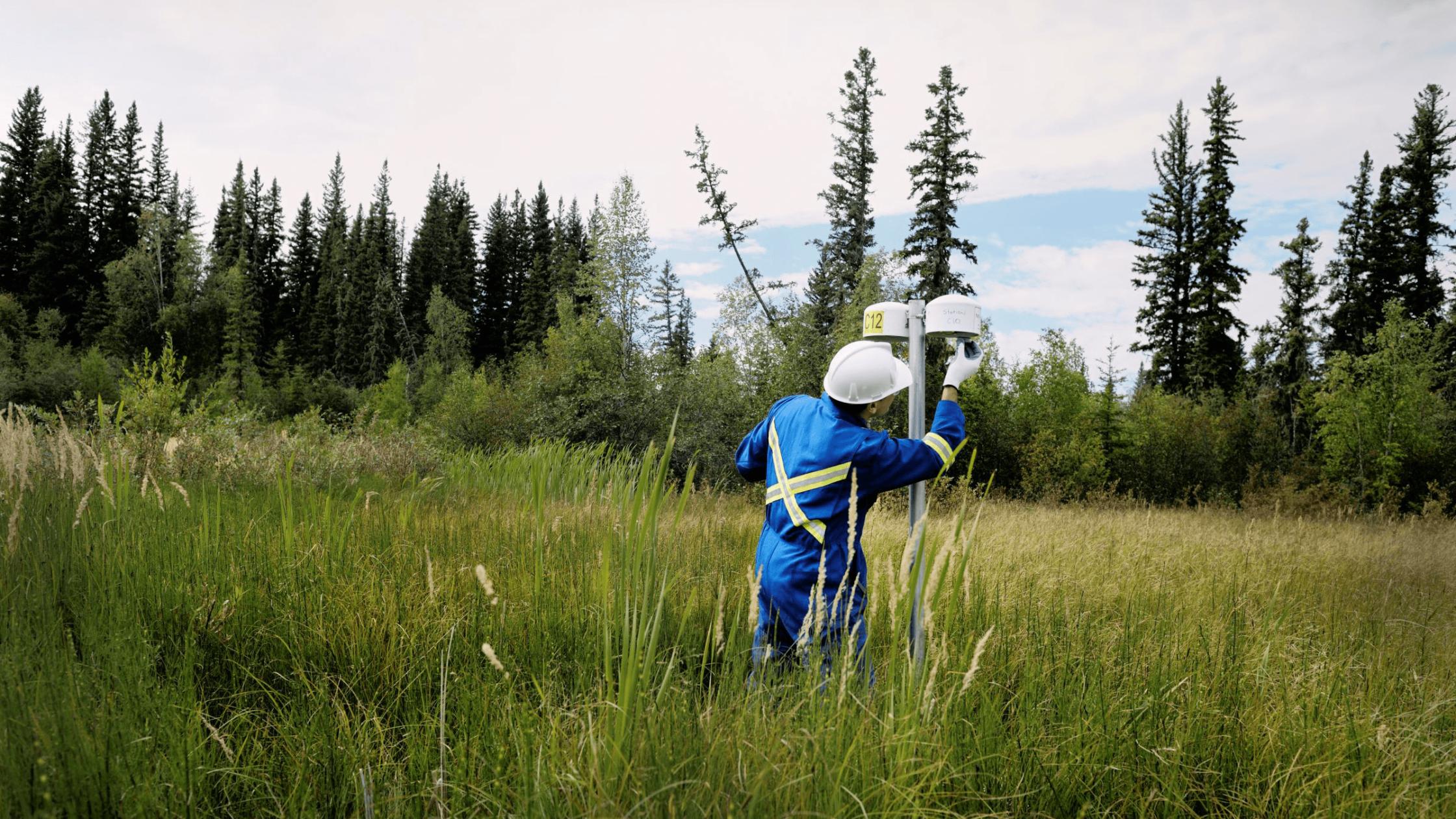
“The Canadian oil sector has meaningfully outpaced global peers in terms of R&D investment over the past decade, and this has been reflected in vastly improved emissions intensity and other important sustainability measures,” says BMO analyst Jared Dziuba.
The industry’s strong focus on R&D and technology development helps ensure that environmental performance improvements will move faster in the future, he says.
According to a recent report by IHS Markit, Canada’s oil sands producers are on track to, for the first time, start reducing total greenhouse gas emissions within the next five years.



This follows more than a decade of producers consistently decreasing emissions per barrel, otherwise known as emissions intensity.
Driving R&D investment now will likely be work on carbon capture and storage (CCS) projects to reduce total emissions, Dziuba says.
Over the last two decades, operating CCS projects in Canada have removed more than 43 million tonnes of CO2 from the atmosphere, or the equivalent emissions from about 9.3 million cars. Additional R&D can reduce costs and enable CCS development at a much larger scale.
“We think that the Oil Sands Pathways to Net Zero Initiative announced in 2021 by the top six oil sands producers will kickstart the next wave of major investment in R&D for the group, and commercial deployment of CCS to advance the industry’s collective goal of net zero emissions by 2050,” Dziuba says.
“That said, there are several other key technologies in the oil sands R&D pipeline that are also awaiting roll-out and could have a meaningful impact on sustainability initiatives in coming years.”
Share This: