


 CDN NEWS |
  US NEWS







EnergyNow Editorial Staff
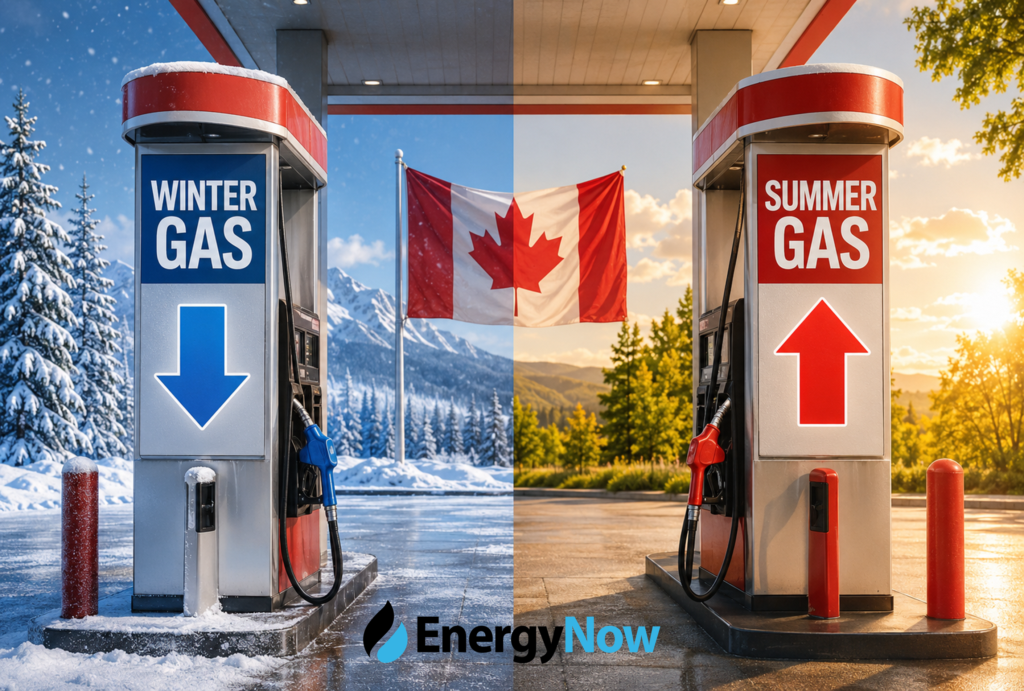
Canadian motorists could receive some welcome relief at the pumps this fall as refiners and fuel suppliers begin replacing more expensive summer-grade gasoline with cheaper winter-grade fuel.
The seasonal change will not produce the same savings in every province or city, and volatile crude oil markets could easily overwhelm the reduction. However, all else being equal, the switch to winter gasoline typically lowers wholesale and retail prices by approximately five cents per litre—and sometimes more.
This year, the seasonal savings will also arrive alongside Ottawa’s decision to extend its suspension of the federal fuel excise tax until January 31, 2027. The tax break saves motorists 10 cents per litre on gasoline and four cents per litre on diesel. It had been scheduled to expire September 7.
Together, the continued tax relief and the arrival of winter gasoline should prevent the price increase Canadians would otherwise have faced in September—and could provide an additional reduction as cheaper fuel works its way through the distribution system.
What Is the Difference Between Summer and Winter Gasoline?
Although most motorists never notice the difference, the gasoline sold across Canada changes during the year.
The primary difference is volatility, or how readily gasoline evaporates. This is commonly measured by Reid vapour pressure.
Summer gasoline has lower volatility, meaning it is less likely to evaporate when exposed to high temperatures. Reducing gasoline evaporation is important because fuel vapours contribute to the formation of ground-level ozone and smog.
Ontario’s regulations, for example, require petroleum facilities to switch to lower-volatility gasoline during the warmer months to reduce air pollution. Federal gasoline regulations also distinguish between summer and winter fuel, defining the summer period as April 15 through September 15. Specific requirements and distribution timelines can vary by province and region. Environment and Climate Change Canada
Winter gasoline is formulated differently because cold weather creates the opposite challenge. Fuel must evaporate sufficiently to help an engine start and operate properly in low temperatures.
To accomplish this, winter gasoline can contain more butane, a relatively inexpensive component that increases the fuel’s volatility. Butane helps gasoline vaporize and ignite in cold engines, but its higher volatility makes it less suitable for hot summer conditions.
Why Summer Gasoline Costs More
Summer-grade gasoline generally costs more to manufacture because refiners must remove or reduce cheaper, highly volatile components such as butane and replace them with more expensive blending components.
There are also logistical costs.
Refineries, pipelines, terminals and storage facilities must carefully manage the transition to summer gasoline. Remaining winter fuel must be drawn down before summer specifications take effect, and different regional requirements can complicate the movement of gasoline between markets.
The change often coincides with spring refinery maintenance. Refiners commonly take units offline to perform scheduled work before the peak summer driving season. Reduced refinery output, combined with the need to build inventories of summer-grade fuel, can tighten gasoline supplies and increase wholesale prices.



At the same time, gasoline demand usually begins rising as warmer weather encourages more driving and summer travel. The combination of more expensive fuel, refinery maintenance and increasing demand helps explain why gasoline prices frequently rise during the spring.
Why Prices Could Decline Soon
The reverse process begins in September.
Canada’s regulatory framework generally treats September 16 through April 14 as the winter period. However, the price reduction does not necessarily appear at every station on September 16. Refineries and terminals must first alter their production and inventories, and retailers must sell the summer gasoline already in their underground tanks.
The savings could therefore arrive gradually during the second half of September and into early October.
Winter gasoline is cheaper to produce because refiners can add more lower-cost butane to the blend. At the same time, gasoline consumption typically declines after the summer travel season ends.
GasBuddy has previously estimated that the seasonal transition can reduce Canadian gasoline prices by approximately five cents per litre. The exact amount depends on the city, refinery supply, local competition and broader energy markets.
Canadians will also avoid an anticipated September tax increase. Ottawa has extended the suspension of the federal excise tax until January 31, 2027, preserving a 10-cent-per-litre saving on gasoline and four cents per litre on diesel.
That does not necessarily mean pump prices will immediately fall by 15 cents per litre. The 10-cent tax saving is already reflected in current prices. The new fall reduction would come primarily from winter gasoline, lower seasonal demand and any decline in crude oil or wholesale gasoline prices.
When Will Summer Gas Raise Prices Again in 2027?
The next predictable seasonal increase should begin during the spring of 2027.
Refiners will start preparing summer-grade gasoline well before the April 15 start of Canada’s federally defined summer period. Wholesale markets could begin reflecting the higher production cost in March, with retail increases becoming more noticeable from late March through April.
If market conditions are otherwise stable, the seasonal switch could add approximately five to 10 cents per litre in some regions. The increase may be larger if it coincides with refinery outages, low gasoline inventories, stronger crude prices or an early surge in driving demand.
There is also another important date for motorists: February 1, 2027.
Unless the Carney government extends the tax break again, the federal excise tax would return after January 31, potentially adding 10 cents per litre to gasoline before sales tax effects. Canadians could therefore face two separate increases in early 2027:
- A possible 10-cent-per-litre federal excise-tax increase in February.
- A further seasonal increase as more expensive summer gasoline arrives between late March and April.
Gasoline prices will ultimately depend on crude oil prices, refinery capacity, exchange rates, regional taxes, transportation costs and geopolitical events. Nevertheless, the seasonal fuel cycle remains one of the most predictable influences on prices.
For motorists, the basic pattern is straightforward: cheaper winter gasoline normally brings some relief in the fall, while the return of more expensive summer gasoline usually pushes prices higher again the following spring.
Share This:




















SETTING OFF ALARM BELLS: Carney’s EU Deal Threatens Alberta, Energy, & Sovereignty – 170,000 Reasons to Reject Canada’s EU “Associate Membership” – The Nemeth Report