


 CDN NEWS |
  US NEWS







The North Coast Transmission Line is a great development, but the hydropower it uses relies on unpredictable weather. Natural gas can fill the gaps.
By Geoff Russ
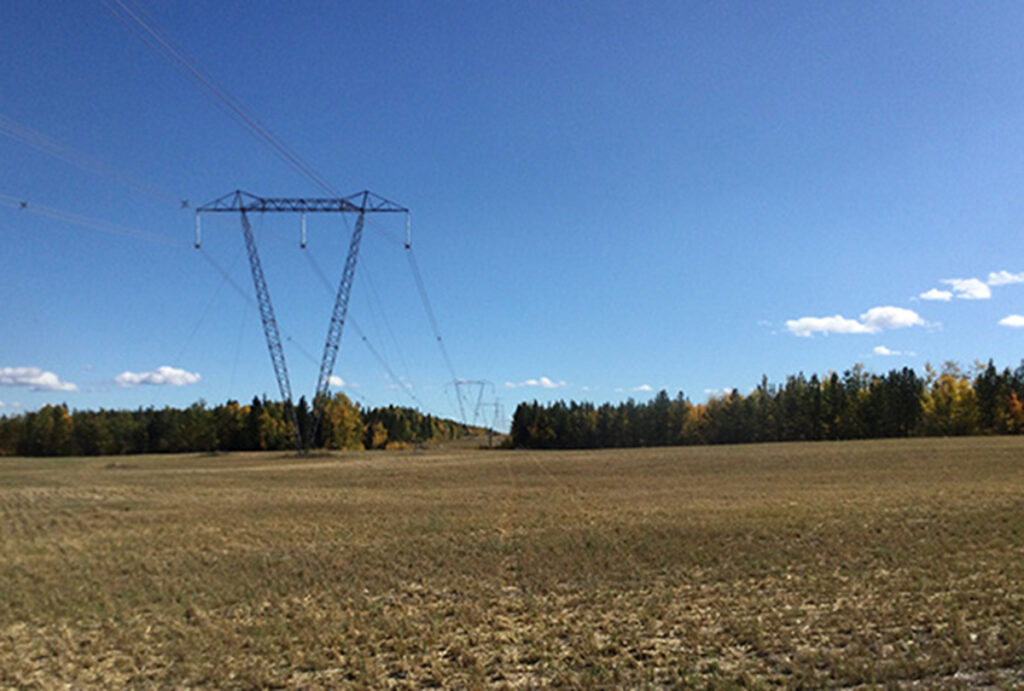
North Coast transmission Phase 1 will be a new 500 kV transmission line running approximately 165 kilometres from Prince George to Glenannan substation near Fraser Lake. Source: BC Hydro
Northern British Columbia is on the cusp of a resource boom, and the province is expanding the grid to support it. That is clearly the right decision, and one that will benefit an oft-forgotten part of the province.
However, it would be a missed opportunity not to use the region’s vast natural gas resources to help expand the growing grid’s capabilities. Natural gas is abundant, versatile, and reliable in the region, and it is already being exported abroad. Why not use it at home?
Ground was broken last week on the North Coast Transmission Line (NCTL), and the first two phases of the project will more than double transmission capacity between Prince George and Terrace. Demand for this additional electricity is being driven by new mining, LNG and port developments whose projected needs exceed current capacity.
Grid diversification and weather volatility
Domestic gas backstops and provincial energy security
Hydroelectricity will surely remain the foundation of the B.C. power grid, but it need not stand alone. Using natural gas means that more water can be preserved in hydro reservoirs and stored for later use.
Thirty-six per cent of Canadian natural gas production came from B.C. in 2023, and that was before LNG Canada in Kitimat began operations last year. Drawn almost entirely from the Montney Formation in northeastern B.C., this natural gas resource represents an enormous industrial opportunity.



The provincial government itself has gradually warmed to the use of natural gas, announcing in August that BC Hydro would acquire Campbell River’s 275-megawatt Island Generation plant. Island Generation is a gas-fired facility that has operated, on average, about 15 days annually over the past five years and has long served as a backstop for Vancouver Island’s power supply.
That same principle should apply in the north. BC Hydro can and should procure gas-fired generating capacity wherever it can strengthen northern economic growth and energy security in the long term.
B.C. has not enjoyed energy self-sufficiency in recent years, having imported electricity from the United States for several consecutive years. It makes no sense to rely on places outside B.C. when the province has abundant energy resources of its own.
Gas-fired generation is a valuable, dependable source of power, at the very least when sources like hydropower fall short. One need not replace the other.
The NCTL’s first phase is expected in 2030, with the second following in 2032. That gives the province a wide planning window in which to secure abundant, locally sourced energy, and it is an opportunity that should not be wasted.
It is good that the province has great ambitions for northern B.C., but powering those ambitions in an efficient and cost-effective manner is easier said than done.
Geoff Russ is the editor-at-large of Without Diminishment. He is also a contributor to the National Post, Modern Age, and the Spectator Australia. He can be reached on X.com at @GeoffRuss3.
Share This:






















REMAKING THE LANDSCAPE FOR INVESTORS – The First-Ever Canada Investment Summit – Maureen McCall