


 CDN NEWS |
  US NEWS







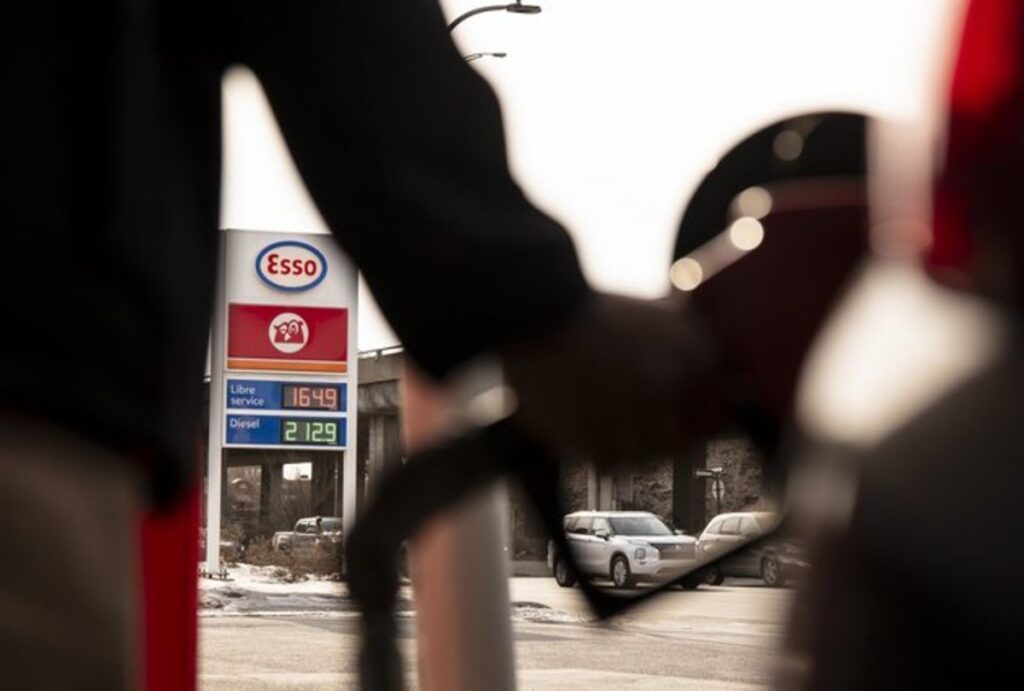
The federal government announced Wednesday that it will extend its temporary fuel-tax holiday beyond its September 7 expiry date and into the new year, providing continued relief for Canadian motorists, truckers and businesses facing elevated fuel costs.
Prime Minister Mark Carney’s government suspended the federal fuel excise tax on gasoline and diesel on April 20 in response to rapidly rising global oil prices and supply disruptions resulting from the war involving Iran.
The suspension removed the federal excise tax of 10 cents per litre from gasoline and four cents per litre from diesel. The tax break also applies to aviation gasoline and aviation fuel.
Without an extension, the excise tax would automatically return on September 8—potentially increasing retail gasoline prices by approximately 10 to 11 cents per litre once the additional GST or HST charged on the restored tax is considered.
The government’s extension is expected to maintain the tax holiday into 2027, although the precise expiry date and estimated cost to the federal treasury are expected to be confirmed in the formal announcement.
The decision comes as gasoline prices remain significantly higher than they were a year ago. It also recognizes that fuel prices affect much more than motorists. Diesel is a major operating expense for trucking, agriculture, construction, oilfield services and other industries that move goods and equipment across the country.
Higher transportation costs eventually appear in the prices Canadians pay for groceries, building materials and other essential products.
When the original suspension was announced, Finance Minister François-Philippe Champagne described it as a temporary response to global energy-market disruptions. The government said removing the tax would provide immediate assistance to consumers while lowering operating costs for Canadian businesses.
Conservatives had pushed for a longer extension
Conservative Leader Pierre Poilievre has repeatedly urged Carney not to restore the tax on September 8.
In an August letter to the prime minister, Poilievre called for the excise-tax suspension to remain in place until at least July 1, 2027, when the policy could be reviewed. That would extend the break considerably further than the government’s original Labour Day deadline.
“When Conservatives first called on you to take all federal taxes off gas and diesel until the new year, Canadians were already struggling with the cost of living,” Poilievre wrote. “Since then, things have not gotten better. They have gotten worse.”
Poilievre has argued that restoring the tax would not only affect drivers but also contribute to inflation throughout the economy.
“A tax hike on fuel is a tax hike on everything,” he said.
Conservative Leader Pierre Poilievre issued a statement Wednesday saying his party “won another battle for Canadian families.”



“Canadians need real relief that brings lower prices, not another Liberal half measure. Conservatives are proud of our role in securing today’s win, but we will never stop fighting for a more affordable Canada,” Poilievre said in a media statement.
Ontario Premier Doug Ford welcomed the extended pause in a statement on social media and called for it to be made “permanent.”
Poilievre wants all federal fuel taxes removed
Earlier this year, Poilievre called for the elimination of all federal taxes and regulatory charges on gasoline and diesel for the remainder of 2026.
The Conservative proposal identified three principal costs:
- The federal fuel excise tax, worth 10 cents per litre on gasoline and four cents on diesel.
- The federal GST charged on gasoline and diesel, which the Conservatives estimated adds approximately eight cents per litre at prevailing prices.
- The cost attributed to the federal Clean Fuel Regulations, which the Conservatives estimate adds approximately seven cents per litre.
Combined, the party said its plan could reduce gasoline prices by as much as 25 cents per litre—approximately $20 on a typical minivan fill-up. It estimated the tax reductions would save Canadians approximately $5.25 billion.
Under the proposal, the excise tax and GST would initially be removed temporarily, while the Clean Fuel Regulations would be permanently eliminated.
The Clean Fuel Regulations are not technically a direct tax collected by Ottawa at the pump. They require gasoline and diesel suppliers to progressively reduce the carbon intensity of the fuels they sell. However, the cost of complying with the regulations can be passed through the supply chain to consumers, which is why Poilievre regularly describes the policy as a “fuel standard tax.”
The Conservatives have also committed to permanently eliminating the federal industrial carbon-pricing system. That system applies primarily to large industrial emitters rather than being charged directly to motorists, but Poilievre argues that its compliance costs ultimately increase the prices of fuel, transportation and Canadian-made goods.
The Carney government previously ended the federal consumer carbon price, effective April 1, 2025. Ottawa estimated that decision reduced gasoline costs by approximately 18 cents per litre in provinces previously covered by the federal system. Provincial carbon-pricing programs and the federal industrial pricing system remain in place.
Relief today, but a larger debate continues
Extending the excise-tax holiday will prevent a noticeable price increase immediately after Labour Day and offer continued relief to fuel-intensive sectors.
It will not, however, end the political debate over the overall amount of tax and regulatory cost embedded in Canadian fuel prices.
The government is presenting the extension as targeted, temporary assistance during a period of unusual global energy instability. Poilievre and the Conservatives contend that Ottawa should go much further by removing federal fuel taxes and regulations rather than repeatedly extending temporary relief.
For Canadian drivers, the immediate result is straightforward: the anticipated 10-cent-per-litre federal tax increase will not arrive on September 8.
The larger question is whether the tax holiday will eventually be allowed to expire—or whether continued affordability pressure will make restoring the tax politically difficult for any federal government.
Share This:




















SETTING OFF ALARM BELLS: Carney’s EU Deal Threatens Alberta, Energy, & Sovereignty – 170,000 Reasons to Reject Canada’s EU “Associate Membership” – The Nemeth Report