CDN NEWS |
  US NEWS









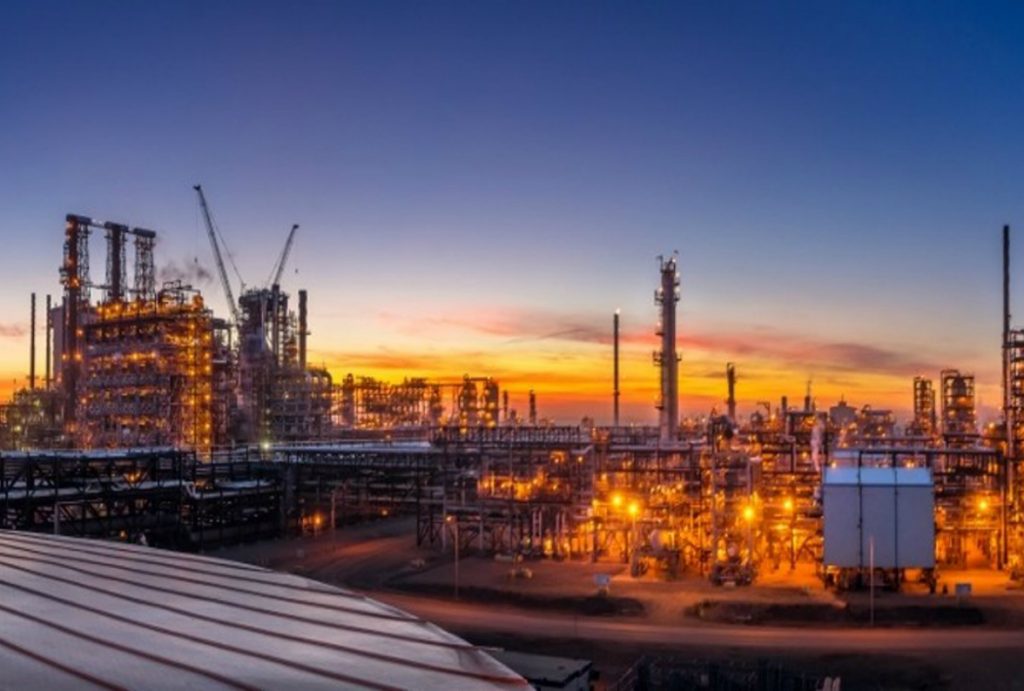
In the oil sands industry, a greenfield investment refers to building a brand-new production facility from scratch on undeveloped land, whereas a brownfield investment involves expanding, altering, or upgrading an existing, operational facility.
Direct Comparison of Oil Sands Investments
| Feature | Greenfield Investment | Brownfield Investment |
|---|---|---|
| Definition | Building a new facility from scratch. | Expanding or modifying an existing site. |
| Infrastructure | Must build all roads, pipelines, and plants. | Reuses existing utilities, roads, and pipelines. |
| Capital Cost (CapEx) | Extremely high upfront costs. | Lower cost; leverages existing capital. |
| Regulatory Risk | High; requires full, lengthy environmental reviews. | Lower; utilizes existing regulatory approvals. |
| Time to First Oil | Long timeline (often 5 to 10+ years). | Fast timeline (often 1 to 3 years). |
| Examples | Building a new Fort Hills mining project. | Adding a new steam generator to a SAGD plant. |
1. Execute a Greenfield Strategy
Greenfield investments represent the highest-risk, highest-reward strategy in the oil sands.
-
- Construct New Infrastructure: Companies must build central processing facilities, ore preparation plants, tailings ponds, and worker camps on raw land.
- Establish Grid Connections: Developers must lay new pipelines to connect to major hubs like Hardisty, Alberta, and build dedicated power transmission lines.
- Navigate Extensive Permitting: Projects require comprehensive environmental impact assessments through regulatory bodies like the Alberta Energy Regulator (AER). [1]
- Unlock Vast Reserves: This strategy is chosen when a company wants to exploit a massive, untouched lease that cannot be reached from existing operations.

2. Execute a Brownfield Strategy
Brownfield investments are the preferred method for oil sands operators seeking capital efficiency and quick incremental production.
-
- Debottleneck Existing Plants: Operators modify current piping, pumps, or vessels to eliminate processing constraints and increase throughput.
- Add Modular Expansions: Companies add extra Steam-Assisted Gravity Drainage (SAGD) well pads or additional steam generation units adjacent to an active hub.
- Reduce Capital Intensity: Capital expenditure per flowing barrel is significantly lower because the core infrastructure—like water treatment plants and main pipelines—is already paid for.
- Accelerate Regulatory Approval: Amendments to existing licenses are generally processed much faster than brand-new project applications.
Crucial Financial Blind Spots to Consider
-
- Sunk Cost Fallacy: Brownfield expansions can become inefficient if older, underlying infrastructure requires unexpected, costly maintenance or faces compatibility issues with new technology.
- Carbon Intensity Regulations: Greenfield projects face intense scrutiny under evolving climate policies. New builds may require mandatory integration of Carbon Capture, Utilization, and Storage (CCUS) networks from day one, drastically altering initial economic projections.
- Stranded Asset Risk: Because greenfield oil sands projects require decades of operation to pay back their massive upfront CapEx, they carry a much higher risk of becoming uncompetitive in a global market transitioning toward lower-carbon energy.
Share This: