CDN NEWS |
  US NEWS









By Kasha Piquette
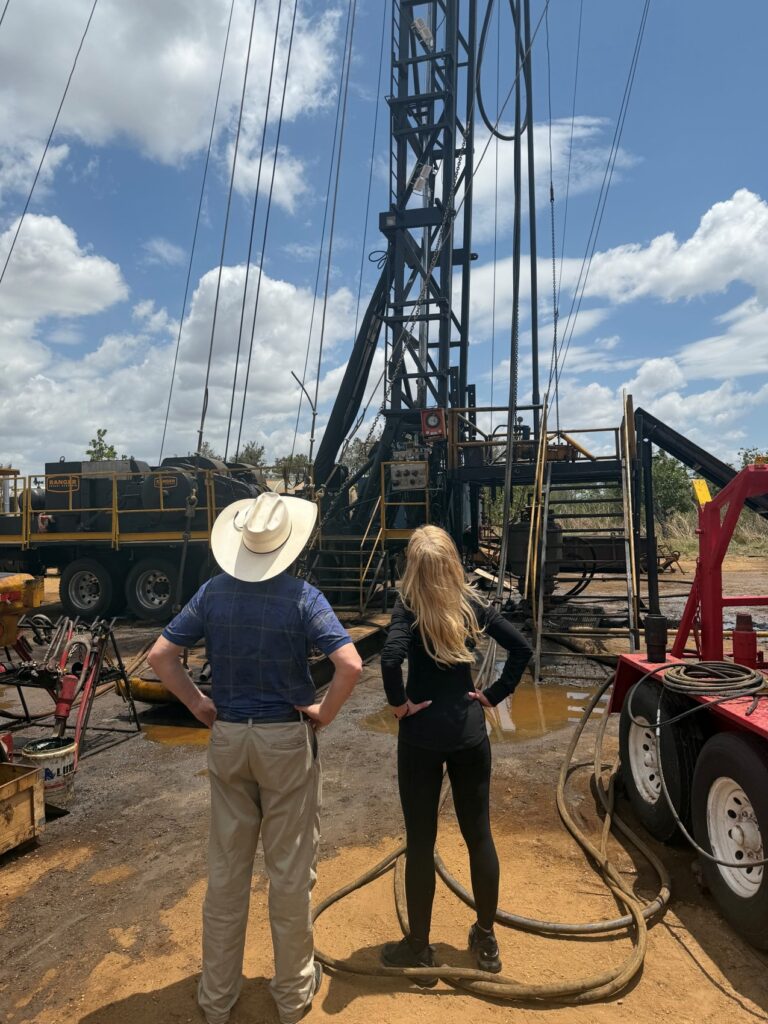
When I landed in Venezuela earlier this month, I expected the usual signs of a country caught between collapse and possibility. Instead, I found something harder to measure but impossible to miss, like energy, warmth and ambition.
I know what a society in transition feels like. I was born in Poland behind the Iron Curtain, and I watched what democratic change can unleash when a country is finally given room to breathe.
Poland’s transformation was not automatic. It was driven by people determined to create its own future and by Western backing, especially from the United States. Western democracies supported Poland’s path into NATO in 1999 and the European Union in 2004, helping anchor it in the democratic and economic mainstream.
The payoff is visible. World Bank data show Poland’s GDP reached approximately US$918 billion in 2024 and continues to rise, while the U.S.–Poland Strategic Dialogue statement emphasized U.S. support for Poland’s accession to the G20 as a permanent member.
According to the U.S. Energy Information Administration, Venezuela holds approximately 303 billion barrels of proven crude oil reserves, the largest in the world. However, decades of mismanagement, underinvestment and sanctions have left production at only a fraction of its historic capacity.
Still, momentum around Venezuela’s energy future is changing quickly. This week’s Venezuela 2026 Technical Symposium and E&P Summit in Houston brought together industry leaders, geologists, service companies and investors focused on what reopening Venezuela’s energy sector could mean globally.
One of the clearest signals came from Kyle Haustveit, Assistant Secretary at the U.S. Department of Energy’s Hydrocarbons and Geothermal Energy Office, who opened the conference by discussing Venezuela’s long-term production potential and the strategic importance of rebuilding its hydrocarbon sector.

Discussions throughout the conference highlighted how Canadian heavy-oil expertise, including technologies developed in Alberta for complex reservoirs and enhanced recovery, could help unlock the vast potential of the Orinoco Belt.
That observation should matter deeply to Canada.
Venezuelan crude competes directly with Canadian heavy oil in the refining systems that matter most, especially on the U.S. Gulf Coast. The U.S. Energy Information Administration notes Gulf Coast refineries are particularly well-suited to process the heavy crude Venezuela produces.
Canada, meanwhile, remains heavily dependent on the United States market and still faces infrastructure and export bottlenecks that limit diversification.
Reuters reported earlier this year that Venezuelan Merey-16 crude was being offered to U.S. Gulf Coast refiners at a premium to competing Canadian barrels.
In plain terms: if Venezuela re-emerges as a serious heavy-oil supplier, Canada’s pricing challenges could intensify. That is why recent announcements from Prime Minister Mark Carney and Alberta Premier Danielle Smith matter.
EnergyNow reported last week that Carney and Smith signed an industrial carbon pricing agreement in Calgary designed to support future investment in a potential one‑million‑barrel‑per‑day pipeline to new export markets. The agreement includes a phased increase in Alberta’s industrial carbon price structure and broader commitments tied to long-term energy infrastructure and carbon capture investments.
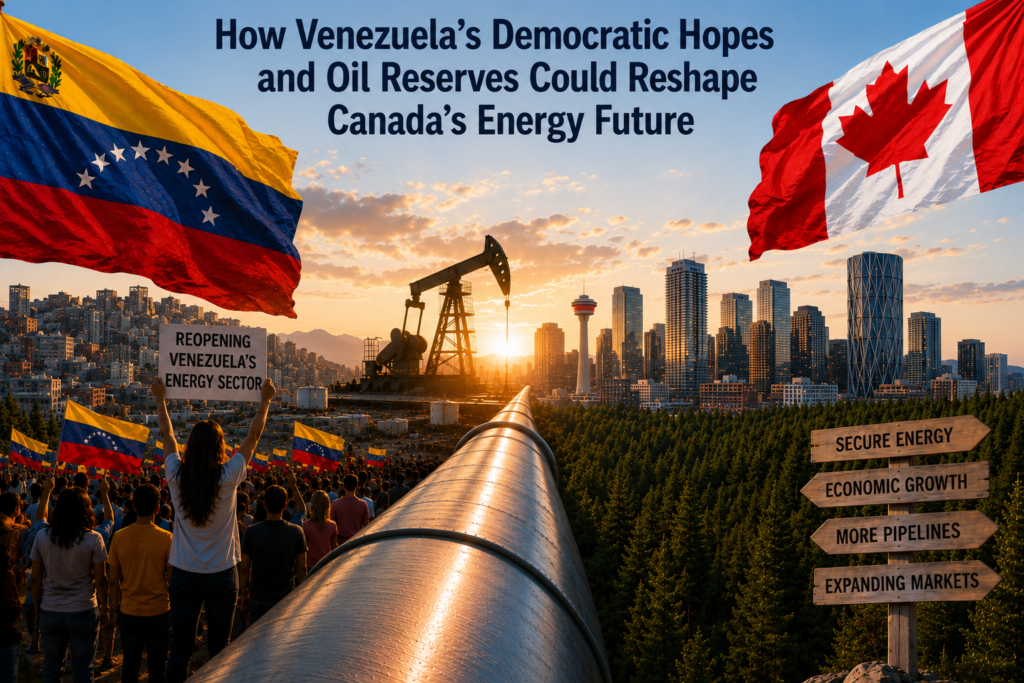
A freer and more economically stable Venezuela would not simply be a geopolitical development. It would reshape North American heavy-oil dynamics, global energy trade flows and Canada’s own strategic thinking around infrastructure, export markets and energy security.
Katarzyna (Kasha) Piquette MBA, CFP, FCSI, ICD.D.
Founder and CEO
Transatlantic Energy Ventures (formerly Canadian Energy Ventures)
Share This: