


 CDN NEWS |
  US NEWS







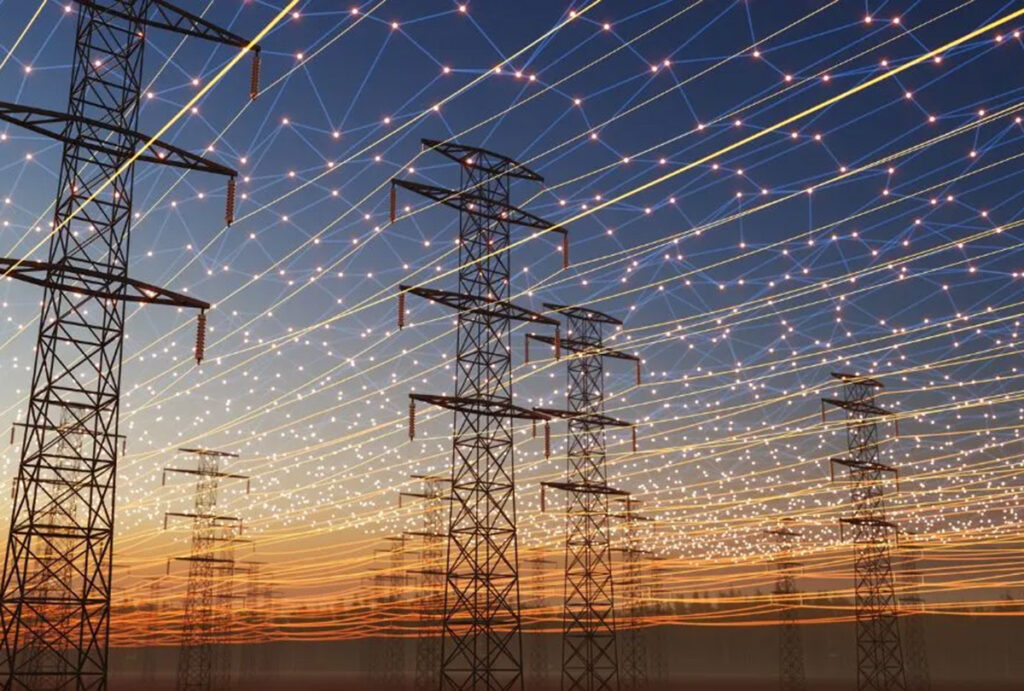
Earlier this month, the federal government rolled out Powering Canada Strong: A National Strategy for an Electrified Canadian Economy (a.k.a. “Powering Canada”), a grand strategy for Canada’s power systems. The new strategy, to be positive, has a lot of—conceptually—good things in it.
The basic premise of the plan is that, in the future, Canada will need to generate a lot more electric power—twice as much as today by 2050—to meet the demand of a growing population with growing electricity and electricity-hungry computational needs. And in all likelihood, the future is likely electric. More of the things modern economies do are driven by computerization and, more recently, big data and big AI, all of which consume a lot of power.
Powering Canada, however, doesn’t stop with that big picture of producing more electricity “abundant, affordable, and reliable”; it also aims to spread electrification throughout the economy, and importantly, throughout the private lives of Canadians. It calls for replacing pretty much any and all power used by Canadians that isn’t suitably “decarbonized,” to use the latest buzz term. That is to say, Powering Canada seeks to be rid of power based on burning hydrocarbons, which mainly occurs in Canada in transportation and powering buildings (water heating, HVAC, etc.). In plain language, this means a world powered by electricity derived from climate-friendly sources of nuclear, hydro, wind and solar power, with some natural gas allowed as a bridge fuel to the all-electric net-zero 2050 Canada of tomorrow.
To those who still believe that economic freedom matters—that is, your right as an individual to control your economic destiny matters—some parts of Powering Canada are troubling. One of those troubling elements is the assertion of federal control over how Canadians choose to heat or cool their houses, cook their food, heat their water and otherwise live their lives in their homes purchased with their own money.



One example of this domestic penetration is Powering Canada’s plan to “take additional action on energy-saving retrofits for up to one million households across Canada through a combination of financing, grants, and complementary measures. For example, enabling households to electrify home heating and cooling through transition from propane, oil, and electric baseboard heating to heat pumps.” What this means, in practise, is that consumers will face economic incentives designed to convince them to accept the electrification of various household systems for HVAC, cooking, etc. whether they like it or not. This is also another slap at the oil and gas sector, which currently (through natural gas) powers a significant number of Canadian homes. According to the Canadian Gas Association, in 2022 “natural gas was used by approximately ⅔ of Canadians in 7.6 million customer locations across the country” and “37.5% of energy final demand in Canada was met using natural gas.”
This element of Powering Canada (and all the rest, in fact) is in service of what has become the central operating raison d’être of Canada, achieving the government’s goal of making Canada “carbon neutral” or “greenhouse gas neutral” by 2050. This goal, one being walked away from by some of the world’s largest-emitting countries, is still driving nearly all Canadian public policy.
Additionally, the demand management section of Powering Canada should be troubling to those who care about their economic freedom in making choices about their housing and lifestyles. Demand management systems hinted at or explicitly mentioned in section 3.5 of the plan include those retrofits discussed above, but also measures that might use your future electric car batteries or household backup batteries as grid assets, giving government the ability to draw power from your car or home backup supply if they deem to need that power elsewhere in the system.
Despite having a number of good ideas and being based in a reality that the future is electric, Powering Canada has several troubling attributes. These are a virtual federalization and essentially monopolization-through-regulation of all electrical energy production and use in Canada; a willingness to nudge and cajole Canadians into changing the way that they want to power their lives in service to government priorities; and an overwhelming devotion to Canada’s increasingly untenable goal of having a net-zero carbon economy by 2050 that could leave future Canadians impoverished and energy-deficient.
Hopefully, as Powering Canada moves into implementation, its troubling elements will be worked out of the strategy and Canadians will maintain greater control over their energy choices—choices that, increasingly, are how we choose to live our lives.
Share This:






















On The Verge: Energy Sector Primed for New Wave of Growth – ATB Economics