


 CDN NEWS |
  US NEWS







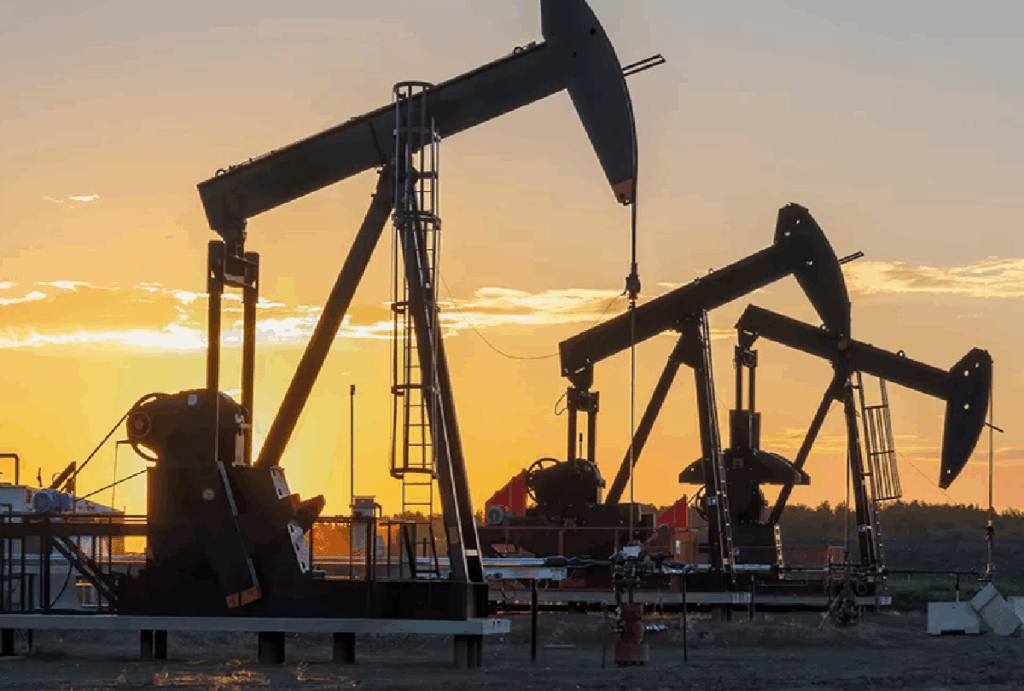
A recent announcement by Canadian Natural Resources Limited (CNRL), one of the world’s largest oil and natural gas producers, regarding its decision to hold back an $8.5 billion investment in a mine expansion in northern Alberta, shows once again how regulatory uncertainty can deter investors.
Specifically, CNRL plans to hold back investing in its Jackpine project, which could ultimately add about 150,000 barrels per day of bitumen production at its Albian mine north of Fort McMurray. In a conference call to investors, CNRL president Scott Stauth said the project will be “deferred due to lack of finalization of government regulatory policies around carbon pricing, methane, which creates uncertainty and economic burden for a long-term growth investment” adding that when “there’s more certainty on improved regulatory policy, improved timelines and additional egress, we will reassess the economic viability of this project.”
It’s hard to get greater clarity on the relationship between regulatory uncertainty and investment than that, and it’s rare to see a major executive speak so clearly about the subject in part due to fear among executives of bureaucratic retaliation in future interactions with regulators. Of course, the stakes are high—the potential investment is $8.5 billion, but the federal government estimates its proposed methane rules alone could cost the industry roughly $15 billion depending on negotiations with Alberta over a methane equivalency agreement.



Undue red tape has been a longstanding problem in Canada’s mining and natural resource industries. In fact, according to the Fraser Institute’s latest survey of senior oil and gas company executives in Canada and the United States, 68 per cent of respondents were deterred by uncertainty around environmental regulations in Canada and 54 per were deterred by regulatory duplication and inconsistencies in Canada.
Prime Minister Carney has leaned into the idea of Canada as an “energy superpower” and has, at least superficially, removed some thorn-in-the-side climate change/greenhouse gas control policies from Alberta (waiving a planned oil-and-gas emissions cap in lieu of higher Alberta carbon taxes) and the rest of Canada (transforming the EV mandate into an air-pollution standard). But it’s clear, from the CNRL decision, there’s still much work to do to reform Canada’s anti-investment regulatory environment, particularly around the energy sector.
For example, Carney should scrap the proposed methane emission-control regulations (which should be superfluous in light of the vaunted Memorandum of Understanding between Alberta and the federal government) and reconsider forcing Alberta to raise its provincial carbon tax on “industrial emitters” to levels that might deter still more investment, not just in the oil and gas sector but across much of Alberta’s industrial economy.
And unlike Carney’s usual “hide-the-ball” strategy of simply renaming undesirable policies and burying them elsewhere in Canada’s voluminous regulatory thicket, it would be nice if he did a bit of genuine policy reform on these issues. Maybe the prime minister can get some tips on plain-speaking from the president of CNRL.
Share This:






















On The Verge: Energy Sector Primed for New Wave of Growth – ATB Economics