


 CDN NEWS |
  US NEWS







By Tammy Nemeth and Ron Wallace
The recently released report of the Parliamentary Standing Committee on Environment and Sustainable Development’s (ENVI) on climate finance advocates significant measures to implement climate policies throughout the financial system. Disguised as prudent financial reform, the report instead presents serious, unevaluated challenges for hydrocarbon companies and small-to-medium enterprises (SMEs) that form the backbone of Canada’s energy sector. In a direct contradiction of Prime Minister Carney’s call to make Canada an energy superpower these measures to implement a net zero financial system would significantly limit funding for fossil fuel projects.

The report calls for the exclusion of fossil fuels from sustainable investment guidelines in the 2025 Budget (Recommendation 5), mandating transition plans through the Office of the Superintendent of Financial Institutions (OSFI, Recommendation 2) and resurrecting the spirit of the defunct Bill S-243, since reintroduced as Bill S-238, by Senator Rosa Galvez. This “Climate-Aligned Finance Act” would enforce so-called “science-based regulations” that would force banks to shun hydrocarbon investments under the threat of penalties. Notably, those regulations were crafted by the Science Based Targets Initiative (SBTi), a process that has faced significant scrutiny in the U.S.
As we’ve examined before, Senate Bill S-238 goes well beyond those SBTi-informed regulations as it would require Canadian financial institutions to prioritize “climate alignment” in their core mandates by imposing punitive OSFI guidelines that incorporate increased capital-risk weightings for fossil fuel projects. In addition to a requirement to produce annual Climate Commitments Alignment Reports, corporate boards would be required to provide declarations on any ties to the fossil fuel sector. These measures appear crafted to effectively engineer a debanking of the Canadian energy sector. For SMEs in oilfield services or drilling, these measures could cause borrowing costs to skyrocket.
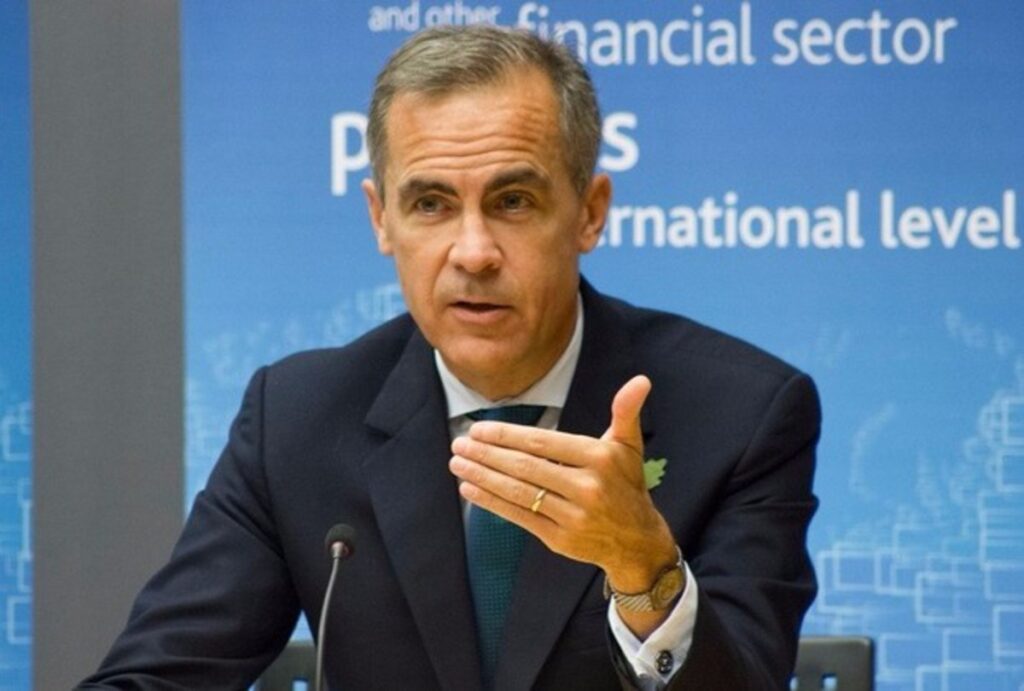
Prime Minister Carney, the father of climate finance and primary advocate for net-zero policies, built his reputation on initiatives like the Glasgow Financial Alliance for Net Zero (GFANZ) which collapsed after U.S. congressional investigations. As former Bank of Canada governor and UN climate envoy, he rallied banks to divert trillions toward green transitions while advocating for all financial decisions to account for climate change. While his government appears to have softened this tone by scrapping the consumer carbon tax and slightly delaying EV mandates, the ENVI report reveals a significantly different endgame that uses financial levers that would stealthily and systematically erode the hydrocarbon production sector.


During hearings, witnesses from groups like the Montreal Economic Institute warned that measures for climate finance could cause significant market distortions and result in diminished competitiveness, concerns that appear to have been ignored. According to Natural Resources Canada’s most recent Energy Fact Book, hydrocarbon production fuels over $208 billion in annual GDP and provides around 500,000 jobs, many in Indigenous and rural communities. By having labeled the industry as “unsustainable” and a as “transition risk” the recommendations of the report represent a significant threat to the economic well-being of hydrocarbon producing regions in Alberta, Saskatchewan and Newfoundland and Labrador.
SMEs face a double whammy because their credit lines could be restricted while facing higher interest rates as banks respond to OSFI’s climate policing (Recommendation 3). Significantly, the recommendations would force costly investments in emissions accounting, monitoring, reporting and verification (MRV) hardware, software and services. These would be required to comply with S-238’s annual alignment reports and to conform to OSFI guidelines on climate risks. Consider a small trucking fleet in Edmonton designed to haul fracking sand: The legislation would likely require the installation of GPS-linked emissions monitors on each rig and consultants, along with third-party verifiers, needed to produce quarterly reports. Other companies could be required to acquire drone-based methane detection gear and AI analytics platforms.
In short, these policies for climate finance threaten Canadian competitiveness and may force lenders to abandon, or at least restrict investment, in “misaligned sectors”. If it is Canada’s intention to phase out fossil fuels, acting on the recommendations of this report would certainly advance that agenda. Policymakers, especially those in western Canada, should take note and reject these recommendations. Building Canada can’t happen without reliable, affordable, and secure Canadian energy. Let’s ensure that the sector isn’t stealthily undermined and dismantled by hidden financial regulations.
Tammy Nemeth is a U.K.-based energy analyst. Ron Wallace is an executive fellow of the Canadian Global Affairs Institute and the Canada West Foundation.
Share This:






















INSIGHT: Canada’s Natural Resource Sector is at the Heart of the Government’s ‘Export & Diversification’ Plan