CDN NEWS |
  US NEWS







By Ron Wallace
READ PART 1 HERE | READ PART 2 HERE
“We’ve got to work together and get out of our own way……I applaud the tone, the vision of our Prime Minister but (the) rubber has got to hit the road. We know what we have to do from a policy perspective or regulatory perspective.”
Dean Setoguchi, CEO Keyera.
Global attention has shifted away from advocacy positions that have driven investments of trillions into renewable energy. The undiminished zeal of the federal government to a reshape Canada into a “net zero” economy is confronted by the costs and consequences of this attempted “energy transition.” If the Carney government is serious about economic development, it will have to recognise that regulatory measures that deter private investment constitute the most formidable barrier to achieving cheap, secure energy. Meanwhile, many western industrial economies are rewriting legislation to align climate ambition with vital industrial strategies or are adjusting climate timelines, or compliance mechanisms, to protect competitiveness. By contrast, Canada is doing neither – instead choosing to keep climate statutes intact as it layers new regulatory instruments onto a standing legislative base. As Gattinger noted, Bill C-5 does not address broad policy challenges because major projects require “more than just fixing the regulatory and permitting process. It’s about getting the right financing support from government in place.”
Does Bill C-5 and the MoU provide a solution for Alberta’s export pipelines? For a start, neither the MoU nor the Major Projects Office (MPO), created under the Building Canada Act, address the implicit contradiction of obtaining Indigenous “consent” while attempting to accelerate project approvals. Attempts to fast-track major projects with measures to circumvent established constitutional duties risk running afoul of decades of legal precedent that clarified Indigenous rights. Accordingly, Canadian courts, in the absence of clear rules that guarantee “free, prior and informed consent” under UNDRIP could, once again, be brought to the center of attention should they be required to arbitrate legal challenges brought by Indigenous leaders against the actions of a “fast-track MPO” – especially if those plans attempt to circumvent long-standing legislation or prior agreements.
Recently, the Federal Court extensively analysed of the meaning of the United Nations Declaration on the Rights of Indigenous Peoples (“UNDRIP”) and free, prior and informed consent (“FPIC”) in Canadian law. It considered that while FPIC does not amount to “veto power” the UNDRIP does apply for Crown’s obligations flowing from section 35 and must be fulfilled in a manner consistent with UNDRIP to incorporate Indigenous perspectives to produce mutual agreements.
A current example of these existing regulatory-legal barriers is provided by Seabridge Gold’s KSM project in B.C. Having expended approximately $1 billion for approvals and consultations that company still faces court challenges that could potentially undo years of approvals. Nonetheless, there are examples of how industry has successfully navigated these significant challenges. Coastal Gaslink underwent a multi-year process (2014-2020) that led to signed agreements with 20 elected First Nation band councils with 17 of those councils agreeing to purchase equity in the pipeline. Similarly, Trans Mountain’s Indigenous Engagement Program involved more than 130 Indigenous groups across Alberta and British Columbia, including 15 First Nation reserves.



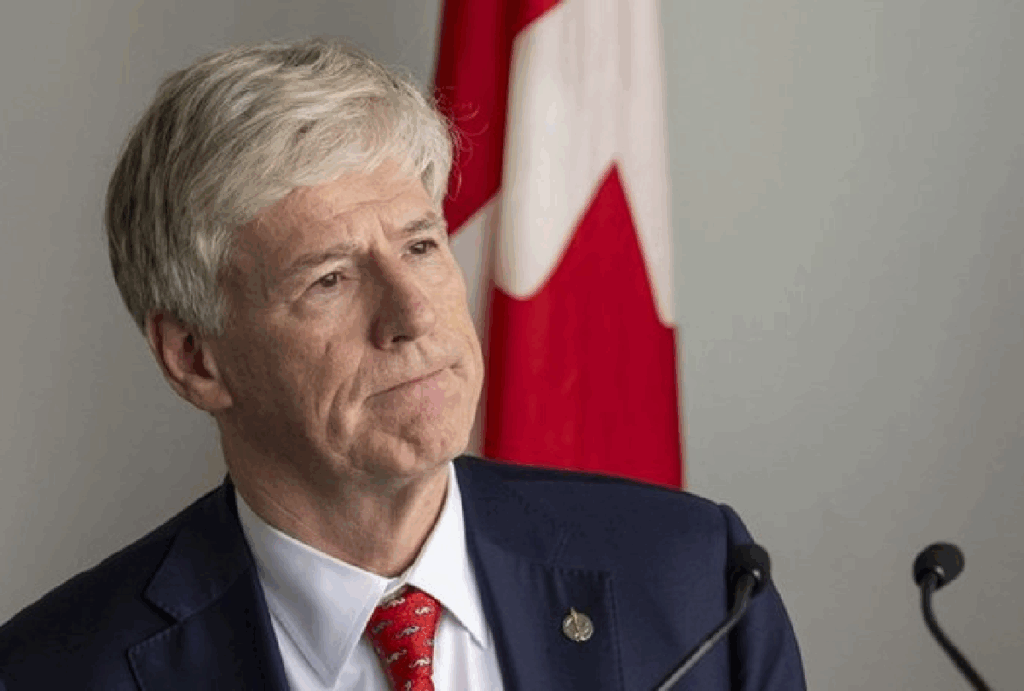
Federal Energy Minister Hodgson recently indicated that the federal government understood the importance of a nationally integrated economy, and that federal policymakers should adopt “Prairie pragmatism” as a new mindset for resource development, one that recognises Alberta’s world-class energy commenting: “This is how we increase our economic security while strengthening our sovereignty.” Nonetheless, the decision by the federal government not to amend or withdraw legislation enacted for a Net Zero economy, but rather to attempt to circumvent those Acts with the Building Canada Act (BCA) and the MPO, has presented Alberta with diminished alternatives. This legislative base makes Canada an outlier among advanced economies as it pursues a distinctive and unconventional approach to balancing Net‑Zero legislation with industrial expansion.
The MPO is tasked with identifying projects to be “fast-tracked”. What remains to be seen is whether that process can effectively reduce regulatory delays. While some consider this initiative to be an opportunity, the recent history of the Canadian regulatory process has given rise to caution and scepticism among proponents and investors. The fact that the BCA has been described as a response to “sweeping U.S. tariffs” to build infrastructure “at speeds not seen in generations” more than implies that the federal government plans to aggressively intervene in the project approval process. This is a statutory approach that shifts attention to regulatory discretion and avoids a reopening Parliament to debate underlying policies and/or to repeal existing legislation.
At question is whether the MoU’s goal to reach practical, cost-effective solutions is achievable at a time when Premier Danielle Smith says the province is heading into “significant” and continued deficits due to lower oil prices. Alberta now projects West Texas Intermediate oil to average USD $61.50 per barrel, down from the USD $68 forecast in last year’s budget. Clearly, global oil markets would not be prepared to pay a premium price for “decarbonized” oil. Unless and until those markets pay a premium, those additional costs of production will render Canada as a less competitive oil producing jurisdiction. These challenges must be addressed before the MoU negotiations are finalized. The massive costs required to uniquely produce “decarbonized” oil in western Canada confront unrestricted, competitive oil imports, unimpeded by any requirements for “decarbonization”, that are allowed into eastern Canada. This scenario does not work in favour of Alberta, Canada or Confederation.
There are material consequences arising from Alberta’s commitment to achieve Net Zero carbon emissions (NZE) by 2050. Hence, the issue of long-term effective carbon pricing for the province should be subject to a careful, publicly disclosed examination of the economic risks of these policies. Achieving NZE in Alberta may require excessive carbon prices that greatly increase costs for oil sands producers and could seriously affect the fiscal and economic base of the province. Similarly, the true costs, and financial consequences, of the Pathways Alliance CCUS Project need to be disclosed, including the long-term costs of operations and the sources of financing required for it.
In sum, Alberta and Canada face undeniable economic costs and consequences that will result from Net Zero policies. If Alberta aims to attain a debt-free, growing economy, one that has traditionally been the growth-engine for Confederation, it may require a much broader reconsideration of economic policies than is achievable with the MoU. Ottawa is not backing away from its policies for Net Zero. Indeed, it is doubling down with proposed new legislation designed to restrict investment in hydrocarbon production. The elephant in the room is not the Pathways Alliance Project but the Industrial Carbon Price (ICP), a policy that is central to the federal climate architecture. At the heart of MoU negotiations, the industrial carbon price will determine not only political acceptability but cost exposure, abatement incentives and future investments.
For Ottawa, the Industrial Carbon Price is the backbone of its national climate architecture whereas for Alberta, it is the single most important lever to protect competitiveness and investment in emissions‑intensive, trade‑exposed (EITE) sectors. Western Canadians have long recognized that negotiations with the federal government often tend to be functionally asymmetric. Notwithstanding that fact, it should be a priority that the MoU reflect not just targets for Net Zero but its true costs and economic impacts.
Apparently, Alberta considers that it has few viable alternatives other than to enter “structured cooperation” with the federal government, even if that cooperation is asymmetric. Federal Energy Minister Tim Hodgson recently stated that if the April 1st deadline required by the MoU is missed, Alberta and Ottawa could still meet its objectives to reach an agreement.
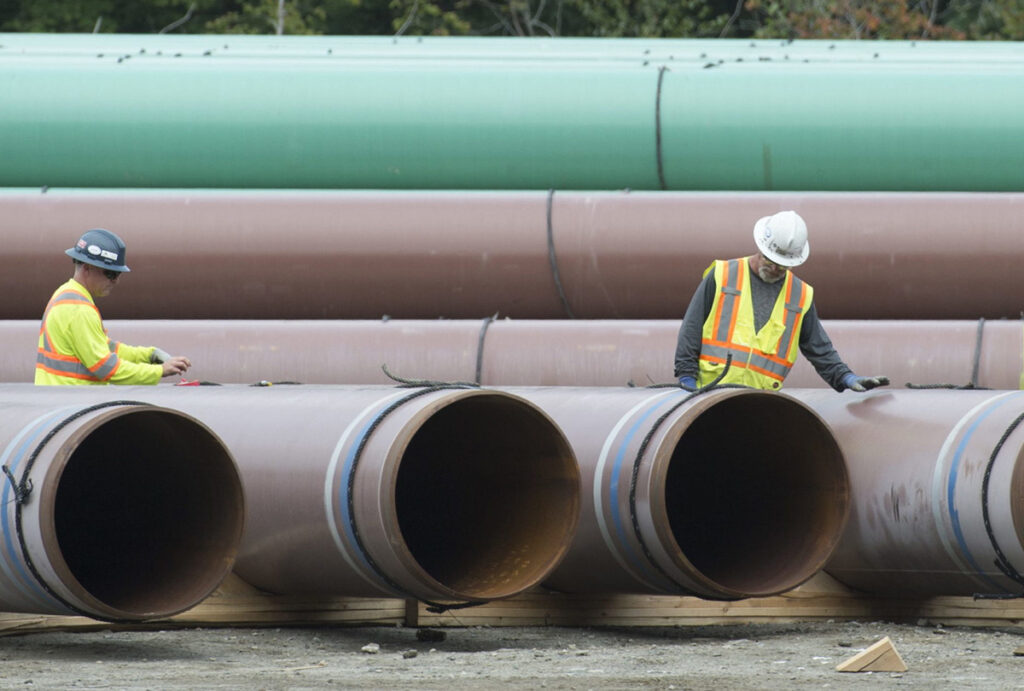
However, is it necessary for Alberta to strike a “grand bargain” with the federal government to increase oil exports? If, in a worst case analysis, Alberta is once again forced in its own interests to challenge federally intrusive laws, recall that current plans by Enbridge and TMX to upgrade their systems could add hundreds of thousands of barrels/day of new export capacity. This is effectively equivalent to building a new major pipeline but would be achieved faster and at a much lower cost and would meet the oilpatch’s growing supply needs and help avoid future bottlenecks.
Unquestionably, Alberta entered into the MoU in the hope that subsequent negotiations would remove barriers to development and restore investor confidence in, and the international competitiveness of, its oil and gas industry. Unlike the publicly financed Trans Mountain pipeline, the MoU requires that a new pipeline to the Pacific coast must be privately financed and constructed. However, it remains to be seen if the MoU will bolster Alberta’s oil and gas sector and provide sufficient regulatory clarity to induce private investors to attempt construction of a new export oil pipelines to the Pacific.
Dr. Ron Wallace retired as a Member of the National Energy Board in 2016.
Share This: