CDN NEWS |
  US NEWS







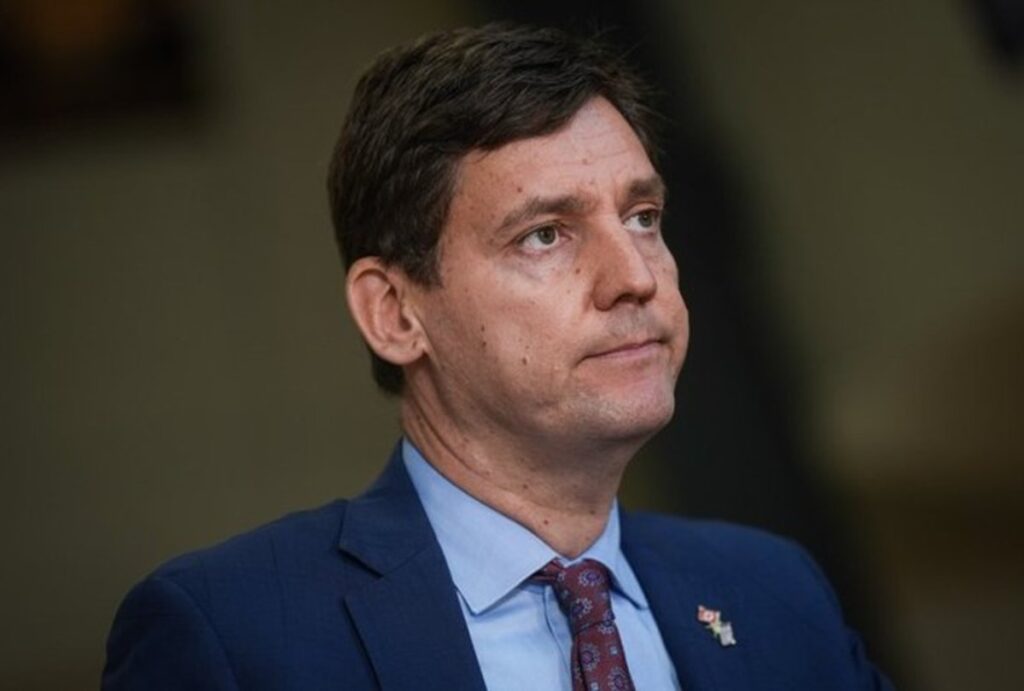
The B.C. government has made many adjustments to address today’s realities, but there are still a few more needed.
First, there is a real need to have an open approach to getting more Canadian oil to the Pacific Coast. As we head into 2026, the truth of President Trump’s statements that the U.S. does not need Canada’s oil is being proven.
The United States has acted on its determination to regain influence over Venezuela’s oil. It has taken control of Venezuela’s oil industry. The U.S. plans to rebuild it and compel Venezuela to follow its demands as the debt is repaid.
If successful, it would be true that the U.S. no longer needs our oil in strategic terms, but would be happy to accept it at a widening price discount.
The comfort blanket is fraying
The United States has wrapped Canada in a comfort blanket. Central Canada believes the blanket is made of automobiles, but it is not; the blanket is energy.
Energy affects everything in an economy. That is probably why Premier Ford’s first retaliatory instinct was to flip the switch on electricity.
The B.C. government, to their credit, has stated an openness to more oil being piped through the province. That openness needs to extend to the North Coast as well, so that the good and bad of all routes can be assessed and compared.



Rationing vs. abundance
The B.C. government continues to express an aversion to nuclear energy and natural-gas electricity generation, as though there is a supply surplus. This, too, needs reassessment. B.C. has already presented its electricity rationing policy. As in health care, rationing occurs when demand exceeds supply and is allocated by administrative dictate.
It is one thing to recognize the need to prioritize infrastructure and resource development. It is another thing not to have a plan to promote computing power for the whole economy. The government plans to impose strict limits on electricity use by data centres and AI. It also does not provide a clear pathway for data centre owners to provide their own power and connect to the grid independently.
The Alberta solution
Alberta, in partnership with the federal government, has found a way through the dilemma through the so-called Pipeline MOU, which includes:
Construction of thousands of megawatts of AI computing power, with a large portion dedicated to sovereign cloud for Canada and its allies…and…Construction of large transmission interties with British Columbia and Saskatchewan to strengthen the ability of the western power markets to supply low-carbon power to oil, LNG, critical minerals, agricultural, data centres and CCUS industries in support of their sustainability goals.
The Peace River Nuclear Power Project is included.
This project is very near the B.C.-Alberta border and would include two, or up to four, 1,000-MW CANDU MONARK reactors; if carried out, it would provide just a little less electricity than four Site C dams.
Surely B.C. would want to be part of this project, given the admitted electricity shortage and the fact that nuclear-generated electricity is clean. The times call for a more inclusive electricity plan. Then again, natural gas is an abundant alternative.
Perfection is the enemy
Most countries, including our peers in Europe, are finding that energy and economic matters are not working out as planned or hoped. Peace, the rule of law, and international cooperation had gelled after the Cold War, but no longer. Today, the quest for prosperity, energy security and sovereignty requires pragmatism. It may seem ironic, even depressing, but perfection has turned out to be the enemy.
A New Year’s Resolution: On a smaller scale, but no less important to many coastal First Nations, the B.C. government must take up the cause of salmon farming—a best alternative to the continuing decline of the forestry industry.
Jim Rushton is a 46-year veteran of BC’s resource and transportation sectors, with experience in union representation, economic development, and terminal management.
Share This: