


 CDN NEWS |
  US NEWS









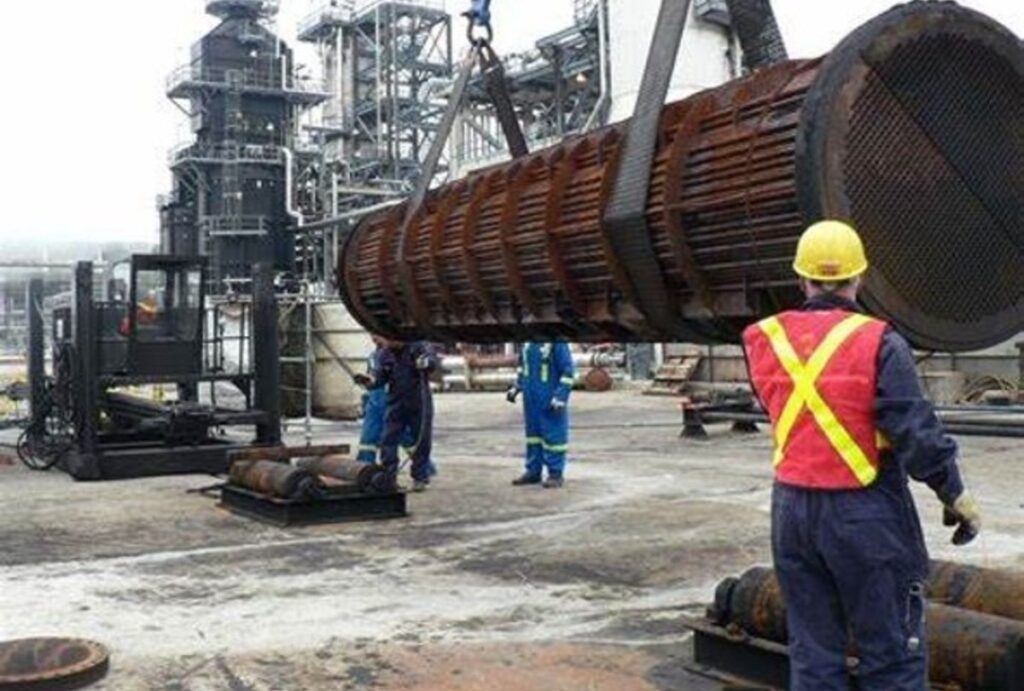
by Maureen McCall
Reliability and affordability of energy operations are inextricably linked to Shutdowns and Turnarounds
Shutdown and Turnaround events- scheduled events designed to address wear and tear, perform essential upgrades, and ensure that equipment and systems continue to operate at optimal performance – are critical to the success and reliability of energy operations.
Whether planned or emergency in nature, they must be managed efficiently to ensure minimal downtime and optimal safety.
Shutdowns are typically planned cessations of processes for routine maintenance, repair or upgrades to address wear and tear, perform essential upgrades, and ensure that equipment and systems continue to operate at optimal performance. Turnarounds involve a broader scope of activities – major overhauls, significant upgrades, and comprehensive system assessments. Turnarounds are typically less frequent but more extensive than routine shutdowns. They both require a coordinated approach to overhaul systems and implement improvements that enhance the overall system. Complex project management, precision in execution, and complex logistical and operational challenges are always present in the oil and gas sector.
A recent sit-down with a few industry advisors who are speaking at the upcoming Shutdowns Turnarounds Superconference, November 25th and 26th in Calgary, Alberta, revealed the increasingly complex nature of the challenges faced by companies.
Ebb and Flow of Workforce Availabilities
Speaking at last year’s 2024 conference, Shandra Linder, President of the Association of Maintenance Contractors of Canada, spoke to a long-term issue dating back to 2010 when her association and others identified a drastic shortage of skilled trades as “a demographic cliff.”
“We knew we were having a demographic cliff in 2010,” Linder said. “And we put all these resources into long-term strategies. But when the bottom dropped out of oil in 2015/2016, we dropped those strategies.”
Linder advised that the industry foresaw a worker shortage, and in 2024, the discussion became urgent. Now, in 2025, Linder reports that the industry has had some hard learned lessons.
“Owner sites are not being adequately prepared for a large influx of workers, and logistics fail. A surge of workers without a plan is a surge toward chaos – logistics and site prep keep a turnaround on track.”
She says a turnaround schedule of logistics that includes site walkdowns of lunchrooms, coverall shacks, access and egress points, with review of transportation routes, times, and parking, is essential. She adds that remote sites must open camps early, clean them and adequately staff them well in advance of the first worker arriving. Too often, turnaround sites do not have a common logistics group – ideally a site-wide multi-discipline logistics group comprised of Operations, Maintenance, Contractor Reps, Labour Providers, Security, Transportation Camp, etc. that Linder says “Brings everyone to the table to prepare”.
She says that too often, turnarounds do not have a common logistics group that reviews and adequately prepares for adding 2,000 to 3,000 people to their site in a short duration. One moment she recalls from past experience is “A time when a whole pile of skilled trades showed up to help us with a turnaround, and there were not enough camp rooms. People (were) sleeping in the common areas of camp and in their cars.”

Peak Labour Demand and Fit-for-Duty Compliance
Dan Demers, Director Business Development, CannAmm Occupational Testing Services, says peak labour demand strains fit-for-duty compliance, saying, “ We’re often last to know, yet it is so essential to workforce readiness.” The mindset that helped him succeed was a preparation & agility mindset. Preparation to coordinate with labour providers to ensure advanced notice and sufficient capacity for work readiness, with daily touchpoints during peak periods. Agility to develop actionable plans to handle 20–50% demand surges on three business days’ notice or less. He describes the one mistake he sees too often as:
“Assuming contractors are fully compliant during turnarounds because they are (fully compliant) the rest of the year is a mistake. Mitigate this by requiring verifiable COAA V6.1 clearance at site gates for all workers and incorporating onboarding timelines into the resource-planning cycle to ensure full compliance.”
Like many in the industry, he has stories from past turnarounds that stick with him, including:
“Discovering that over 20 contractors on a major BC project had falsified drug and alcohol clearance across multiple providers. We took it very personally and responded by implementing verifiable digital credentials, the first technology of its kind in the world.”
A Masterclass in Teamwork and Communications
Laszlo Kardos, Senior Advisor, Planning & Scheduling at Progressive Plan International, says, “Turnarounds are a team sport”. He says successful turnarounds are a masterclass in teamwork and communications, where teammates should help each other and make everyone an ally. He describes his favourite approach as:
“A Turnaround process with defined roles, responsibilities, well-defined deliverables, achievable key milestones, and progressive cold-eyed peer reviews is essential. I am fond of a templated, phased turnaround framework and key deliverable milestones based on a T-minus chronology. For scheduling, I advocate for a systemized, dynamic scheduling approach with defined turnaround management objectives (i.e., Compliance inspections complete by 35%; Control Valves sent to Shop for Service by 40%; Control Valves Installed by 80%; etc), and using enterprise-level software.”
He had a great first-time turnaround experience, saying:
“I joined one week into the event. It was my first exposure to the incredible intensity of a large, high-complexity event. There was no waiting or anything. The pace of communication, everything was immediate. If you needed something, it was always “now”. “Later” was an unknown word. The efforts to resolve everything in the moment are unlike anything I have ever experienced.”
Speaker Scott Curry, Managing Director CQ Strategy Ltd, advised that the most impactful strategy for him was increased communication between office and field, setting up revolving reviews for each area, prioritizing and acting on field-raised items, and posting the progress for each item. He advocated for remaining disciplined to document, share findings and observations and recognizing the team to succeed during turnarounds.
“Expect the unexpected,” Curry said. “No matter how well the plan looks and how it is progressing, there are still unique situations where external impacts will show up. (eg. coker foundation upgrade & nearby 5C8 vessel).”
Curry says his biggest lesson learned is: “It’s never too late to start early for the next outage.”
Maureen McCall is an energy professional who writes on issues affecting the energy industry.
Share This:





















OPINION: Carney’s Promised Energy Superpower Reset Is Running Out of Time for Those Who Can Really Build Canada Strong