


 CDN NEWS |
  US NEWS







Assessing the Strategic, Economic, and Environmental Advantages on British Columbia’s Northern Coast
by EnergyNow Staff
With ongoing discussions about diversifying Alberta’s crude oil export routes, selecting the right destination port on British Columbia’s northern coast is critical. This analysis examines Prince Rupert as a prime candidate, highlighting why it stands out as the best choice for a new Alberta crude oil pipeline.
Geographic and Logistical Advantages
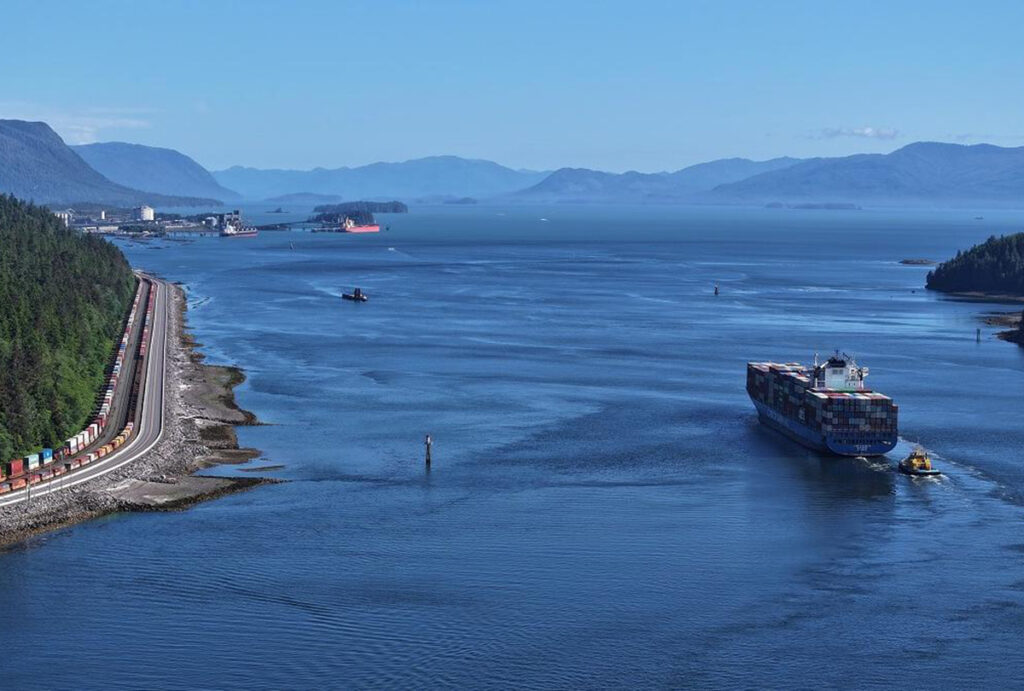
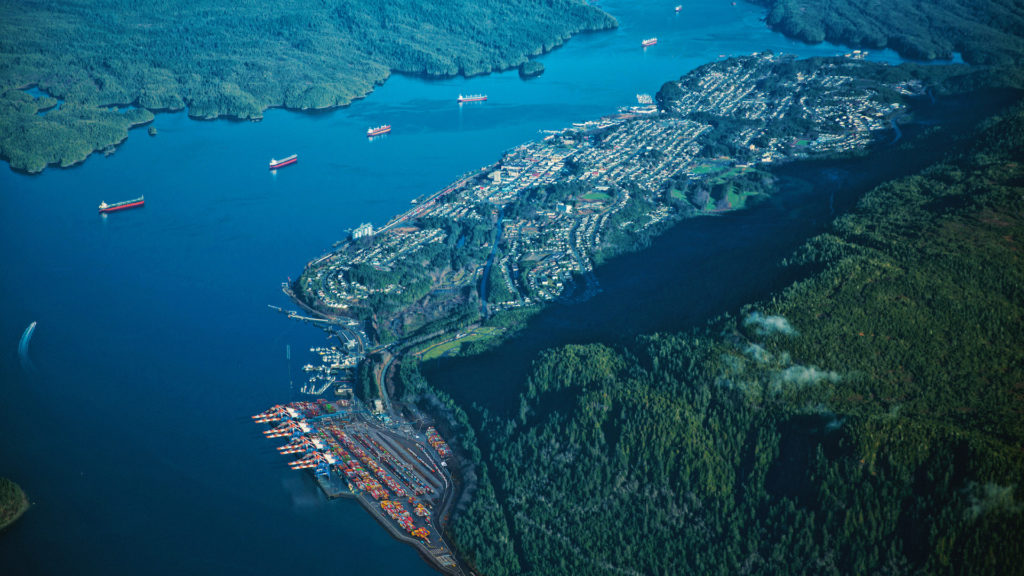
Prince Rupert is Canada’s deepest natural harbour and is located approximately 1,500 kilometres closer to Asian markets than Vancouver. Its northern coastal position provides a shorter and more direct shipping route across the Pacific, reducing transit times and shipping costs. The port’s location also means ships can avoid the congested and environmentally sensitive waters of southern British Columbia, including the Salish Sea and Vancouver’s busy port.
Estimated Transit Times (based on current ocean container service)
-
Prince Rupert → Japan (Tokyo / Yokohama / Kobe / Busan)
Roughly ~7–10 days (examples: Prince Rupert ≈192–205 hours to Tokyo/Kobe in published transit-time tables ≈ 8–9 days). -
Texas Gulf ports (examples: Port of Houston / Galveston / Corpus Christi) → Japan
Typical ocean transit ~21–30+ days for container shipping (Gulf → Asia routes must transit the Panama Canal or transship, adding substantial time). Published estimates for Houston → Japan-style ports are commonly in the 3–4 week range.
Typical difference: Prince Rupert is commonly ~10–20 days faster than a Texas Gulf port to the same Japanese port (for standard ocean container services) offering Alberta based crude shipped via pipeline to Prince Rupert a big time and cost advantage.
Why Prince Rupert is faster
-
Geography / shorter sea distance: Prince Rupert is the closest North American port to Asia (northern Pacific route) so sailing distance — and therefore sailing days — are much lower.



-
Direct transpacific services: Many carriers operate direct Pacific loops that call West Coast/Canadian West Coast ports (including Prince Rupert) en route to major Japanese ports; Gulf services typically go via the Panama Canal or transshipment hubs, which adds days.
Infrastructure and Expansion Capacity
Prince Rupert has a modern and rapidly expanding port infrastructure. The Port of Prince Rupert already handles bulk cargo, containers, and other exports, and it has significant capacity for further development. There is available land and established transportation corridors—including rail lines operated by CN Rail—that connect directly to Alberta, making it logistically feasible to construct a new pipeline and efficiently move crude oil to tidewater.
Economic Benefits
A pipeline terminating at Prince Rupert would open up Alberta’s crude oil to global markets, particularly in Asia, increasing market access and potentially securing better prices for Canadian oil producers. The economic spin-offs for both Alberta and northern British Columbia include job creation, increased tax revenue, and local business opportunities in construction, operations, and port services.
Environmental and Community Considerations
Shipping crude oil from Prince Rupert avoids some of the most ecologically sensitive regions along the southern coast. The port’s deep waters allow for safer navigation of large tankers, reducing the risk of groundings and spills. Additionally, the relatively low population density around Prince Rupert compared to southern ports minimizes the social impact and opposition that has historically challenged energy projects in more urbanized regions.
Strategic and Security Factors
The northern location of Prince Rupert is advantageous from a national security perspective. It is less vulnerable to geopolitical tensions and traffic bottlenecks that can affect southern ports. The port’s proximity to the open Pacific also reduces the time tankers spend in Canadian waters, limiting exposure to potential environmental incidents.
Prince Rupert’s strategic location, robust infrastructure, economic potential, and lower environmental and social risks make it the best choice for a new Alberta crude oil pipeline on British Columbia’s northern coast. Its selection would not only enhance Canada’s energy export capabilities but also support responsible economic development in Western Canada.
Share This:






















INSIGHT: Canada’s Economy Falling Behind Despite Misleading Headlines – Fraser Insitute