


 CDN NEWS |
  US NEWS







By Alex Whalen
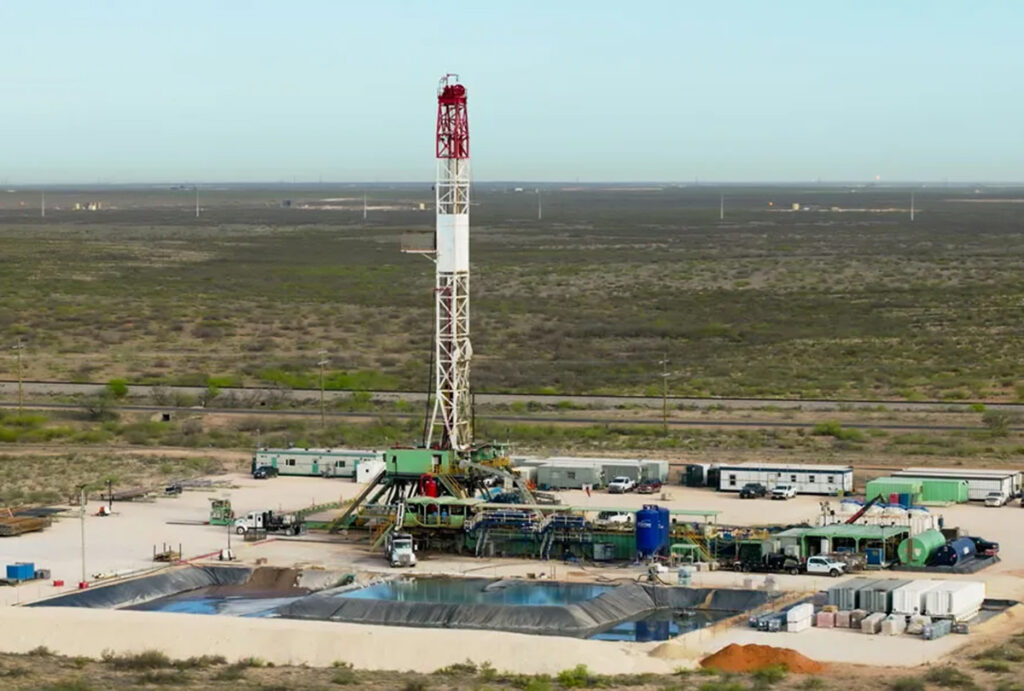
Wayne Long, MP for Saint John-Kennebecasis, waded into the long-standing debate on natural gas development in New Brunswick recently, bluntly telling Brunswick News “we need to frack.” Fracking refers to hydraulic fracturing, a process used to recover underground natural gas deposits. Long is right, and it’s important that New Brunswickers understand the economic opportunity inherent in natural gas, while separating fact from fiction when it comes to risks.
Estimates of New Brunswick’s Frederick Brook shale formation, a large underground deposit stretching from roughly Hampton to Sackville, suggest the province sits on approximately 80 trillion cubic feet of recoverable natural gas. At current market prices, the total value of this resource, if fully recovered, ranges from $186 billion to $221 billion. To be sure, such estimates are inherently uncertain and would materialize over a long period of time. However, even the province’s own estimates project $21 billion in investment with a “moderate” level of gas development.
Economic opportunities of this scale are rare and badly needed in New Brunswick. According to a recent comparison of employment earnings, New Brunswickers had the second-lowest median earnings ($32,175) among residents of all 10 Canadian provinces and 50 U.S. states. According to data published by Statistics Canada, wages in oil and gas are the highest among 22 categories of industry in Canada, topping $125,000 per year.



While a modest level of gas development has occurred in New Brunswick around the Sussex area, this resource is largely untapped. One of the main reasons is the moratorium on fracking implemented by the Gallant government in 2014. This ban is not supported by the facts.
In a wide-ranging review of scientific literature published by the Fraser Institute last year, my colleague Kenneth Green found that fracking does indeed carry risks, but these risks are manageable. For example, air pollution and water contamination are important factors that must be closely monitored when fracking is in place. Yet jurisdictions across North America safely recover natural gas while managing these risks. In the process, they grow their economies and boost the incomes of workers.
Moreover, development of natural gas carries environmental benefits, since the emissions produced by the consumption of natural gas are much lower than dirtier fuels such as coal. Another recent study found that if Canada were to double its natural gas production and export the additional supply to Asia as liquified natural gas (LNG) to displace emission-intensive coal in power generation, global emissions could be reduced by up to 630 million tonnes annually . For context, this reduction would be the equivalent of 89 per cent of Canada’s total greenhouse gas emissions.
As New Brunswick’s natural gas opportunity comes back into focus, the facts are clear: the province has an enormous economic opportunity to join the growing number of jurisdictions developing their natural gas resources. Fracking represents a win-win for both workers and the environment in New Brunswick.
Share This:






















COMMENTARY: Here’s How to Help Secure Canada’s Energy Sovereignty – Fraser Institute