


 CDN NEWS |
  US NEWS







By Jason Clemens and Jake Fuss
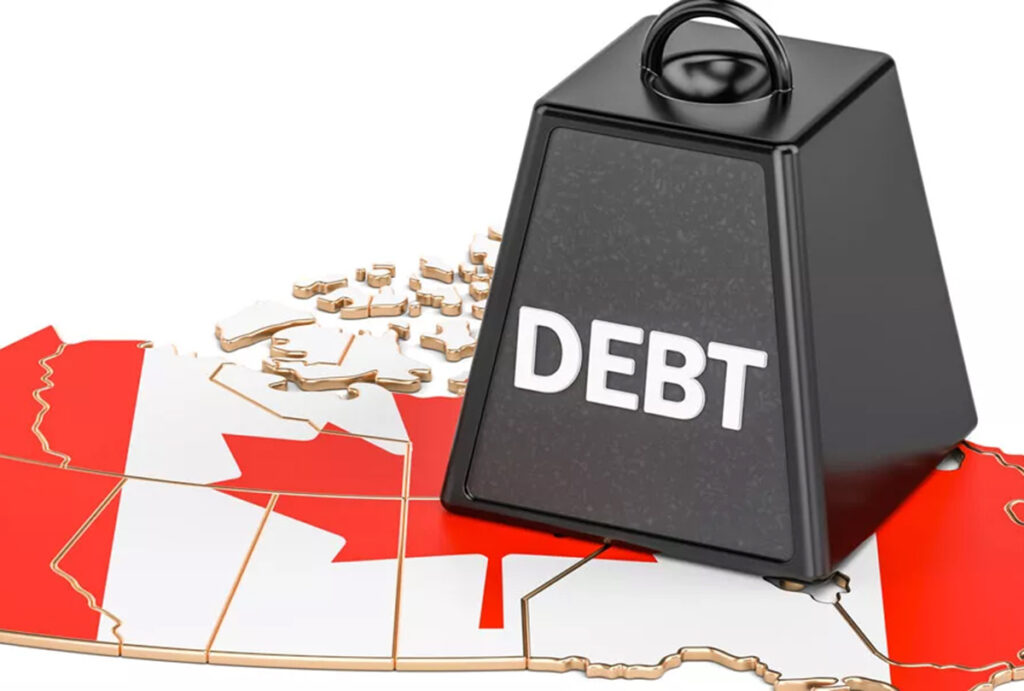
The 17th century statesman Oliver Cromwell is credited with the phrase “Trust in God and keep your powder dry,” referring to the need to keep musket gunpowder dry so when it’s needed, it’s ready. The phrase morphed into a modern-day financial principle for governments to keep their finances sustainable so that in times of recession or crisis, they have the financial resources available to respond. The fiscal mismanagement of the last decade and the utter failure to keep our fiscal powder dry has placed Canadian government finances in a total mess.
The basic idea is for governments to balance their budgets (or better yet, run surpluses) when the economy is growing, so resources are available when recessions hit.
The last decade was a time of spending and borrowing in good and bad times alike, with the only constant in the corridors of government being how can we borrow more so we can spend even more.
For context, the Trudeau government was first elected in 2015 with a promise to run deficits totalling $25.1 billion over three years then return to a balanced budget in 2019/20. The federal deficit in 2015/16 was $2.9 billion, total federal debt stood at $1.1 trillion, and interest costs totalled $21.8 billion.
Fast-forward to 2019/20, just before COVID. The federal deficit was $39.4 billion, more than the entire borrowing originally planned by the Trudeau Liberals over the previous three years, and federal debt nearly reached $1.3 trillion.
COVID, and the government’s response to it, obviously increased spending and borrowing. However, two caveats. First, a number of analyses demonstrated that Ottawa’s spending was not targeted to those in need and went on for too long. So, while a response was needed, a more measured and competent approach would have reduced the amount of spending and borrowing during the pandemic.



Second, and more importantly, federal spending did not return to pre-COVID levels after the pandemic. Instead, Ottawa ratcheted up spending and borrowing permanently post-COVID.
According to projections in the 2024 Economic Update, (the latest federal financial update, since the government did not table a spring budget), the deficit for 2024/25 was $48.3 billion with no return to budget balance within the next five years, federal debt approached $2.2 trillion and borrowing costs reached $53.7 billion.
To paraphrase Cromwell’s warning, the Trudeau Liberals allowed almost all of the fiscal powder to get wet, leaving the new Carney government in a fiscal mess, which it seems to be making worse.
The new prime minister has committed to a balanced budget for operations (excludes borrowing for selected infrastructure and related projects) within three years but excludes any reductions to programs that provide income transfers to Canadians or cash transfers to the provinces (e.g. for social programs or health care). In addition, Carney has committed to increasing defence and related border security spending. These policies make a balanced budget exceedingly difficult—and the balanced budget commitment was made pre-Trump tariffs.
A recent estimate projected that the deficit for the current year could reach $92.2 billion after accounting for Carney’s election commitments and recent changes, with total borrowing over the next four years totalling $311.0 billion. This estimate also includes some “internal savings” the Carney government believes it can achieve within the bureaucracy.
And it’s not just Ottawa. The Ontario government projects a budget deficit of $14.6 billion this year, and continues its longstanding habit of pushing a balanced budget out further and further into the future. Quebec’s projected deficit is only slightly less at $11.4 billion. British Columbia projects a deficit of $10.9 billion with no end in sight to the borrowing (and is in fact borrowing at historic levels). And even Alberta budgeted for a deficit this year of $5.2 billion. And all of the remaining provinces except Saskatchewan project deficits.
Simply put, Ottawa and most of the provinces have not demonstrated fiscal restraint to keep their fiscal powders sufficiently dry when the next recession or crisis hits. Now that the Trump tariffs have arrived, and Canada’s economy is weakening, government finances will weaken even further. This is a lesson for voters and governments alike—that it’s critical for long-term financial sustainability to keep the fiscal powder dry during good times, meaning spending restraint and debt reduction, to ensure governments have the resources needed for the next downturn.
Share This:






















On The Verge: Energy Sector Primed for New Wave of Growth – ATB Economics