


 CDN NEWS |
  US NEWS







‘He’s a really bright guy, he’s a great communicator and he certainly understands the industry … oil and gas, but also hydro and the electricity side’
By Chris Varcoe
Original: calgaryherald.com/opinion/columnists/varcoe-resources-minister-tim-hodgson-good-choice-alberta-oilpatch-provincial-energy
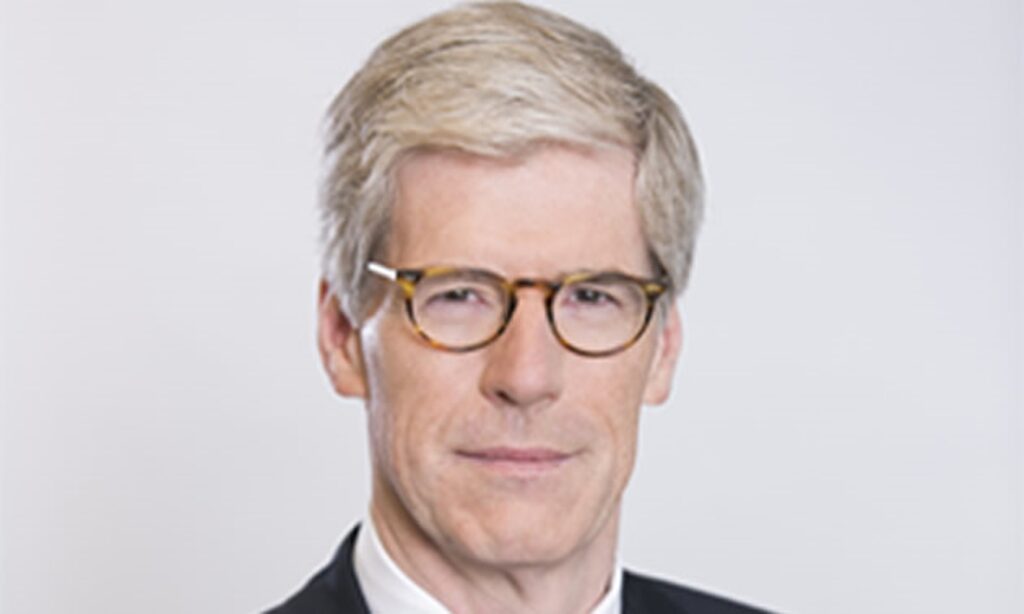
Canada’s new Natural Resources minister, Tim Hodgson, has plenty of experience that the country’s energy sector — and the Alberta government — will welcome.
He served as a board member of MEG Energy for three years, a Calgary-based oilsands producer that later became one of the founding members of the Pathways Alliance.
He led the Canadian business of Goldman Sachs for five years and was special adviser early last decade to the Bank of Canada governor at the time, Mark Carney.
He recently stepped down as the chair of Hydro One, Ontario’s largest electricity transmission and distribution provider.
“He’s a really bright guy, he’s a great communicator and he certainly understands the industry . . . oil and gas, but also hydro and the electricity side,” said former Alberta energy minister Diana McQueen, who later served on MEG Energy’s board with Hodgson.
“As far as Tim is concerned, I think he’s a good choice for Alberta and for the industry.”
Hodgson, who served in the Canadian Armed Forces in the 1980s, takes over the resources portfolio as new Prime Minister Mark Carney wants to see major projects and trade corridors developed in the country.
During the federal election campaign, Carney declared he aims to “build Canada into an energy superpower in both clean and conventional energy.”
It potentially puts a lot of political power, and responsibility, into the hands of the new Natural Resources minister.
It’s also a huge challenge for a federal Liberal government that has spent the better part of a decade in open conflict with the country’s oil and gas industry over climate policies.
“He is super excited about this role and I think he has great experience,” said Enmax Corp. CEO Mark Poweska, who served as the chief executive of Hydro One when Hodgson was the Toronto-based company’s chair.
“He listens well, takes feedback, can adjust his views and his opinion and his direction, based on logic and feedback . . . When I was at Hydro One, we were doing a lot of infrastructure projects and he was supportive of that — and understands what it takes to get large, linear infrastructure built in this country.”
That’s a promising sign.
But can he reset relations given the combative stance between the federal and provincial governments in recent years?
The Trudeau government was often seen as deliberating trying to stymie increased petroleum production and investment, underscored by former Greenpeace Canada campaign manager Steven Guilbeault serving as federal environment minister from 2021 until this spring.
In recent years, the Impact Assessment Act, also known as Bill C-69, and the incoming emissions cap on the oil and gas industry — the only sector facing such a measure — left the oilpatch and Alberta government deeply frustrated.
Premier Danielle Smith issued a statement on Tuesday about the federal cabinet but didn’t mention Hodgson.



However, the premier expressed concern with new Environment Minister Julie Dabrusin, saying she appears to be “yet another anti-oil and gas” minister who has advocated against expanding the oilsands.
Dabrusin was previously the parliamentary secretary to the Natural Resources and Environment ministers in the Trudeau government.
But setting aside politics, here is the reality.
As Canada looks to find new export markets during a global economic slowdown and facing U.S. President Donald Trump’s tariffs, federal and provincial governments will need to work together if important energy infrastructure, such as LNG export terminals or oil pipelines, are to get built.
The Canadian oil and gas sector invests billions of dollars each year — energy is the country’s largest export item — and the industry directly employed more than 204,000 Canadians last month.
The sector ships more than four million barrels per day of oil to the United States, and Alberta exported $132 billion of energy goods south of the border last year. Hodgson will need to find ways to grow the sector as the federal government also pursues climate goals.
“This is an experienced person. He has a constructive, good business reputation. Hopefully, that’s a sign of a bit of a reset,” said Tristan Goodman, president of the Explorers and Producers Association of Canada.
“But that has yet to be shown. There’s still quite a lot of skepticism here, but that part is a good first step.”
The industry has its own expectations.
The leaders of Canadian petroleum producers and pipeline companies issued an open letter before the election, setting out what they hope to see from a new government, including a revamp of regulations to encourage increased investment and production.
They called for the federal Impact Assessment Act and the West Coast tanker ban to be overhauled, the federal carbon levy on large industrial emitters to be repealed and the emissions cap to be torpedoed.
They want key infrastructure projects to be declared in the national interest and projects approved within six months of an application being filed.
The industry also hopes to see a “more constructive narrative” from senior government leaders about Canada developing its natural resources, a more pragmatic climate policy and Ottawa fixing legislation to assess new developments, said Goodman.
Energy economist Peter Tertzakian said Hodgson’s experience in the capital markets is a positive indicator because much of Carney’s economic plan is based on getting new infrastructure built — and that requires attracting private investment.
The challenge will be for Ottawa to work with the provinces and streamline the “complexity and density” of federal climate policies and regulations, said Tertzakian, founder and president of Studio.Energy.
“What we need to see from the new minister of Natural Resources is that he’s a booster of our natural resources, including our oil and gas,” he added.
“Ultimately, they have to show that we are back open for business in Canada.”
Chris Varcoe is a Calgary Herald columnist.
[email protected]
Share This:






















INSIGHT: The Northern Shield Energy Corridor Provides Energy Security for All Canadians – Yogi Schulz