


 CDN NEWS |
  US NEWS







By Tegan Hill
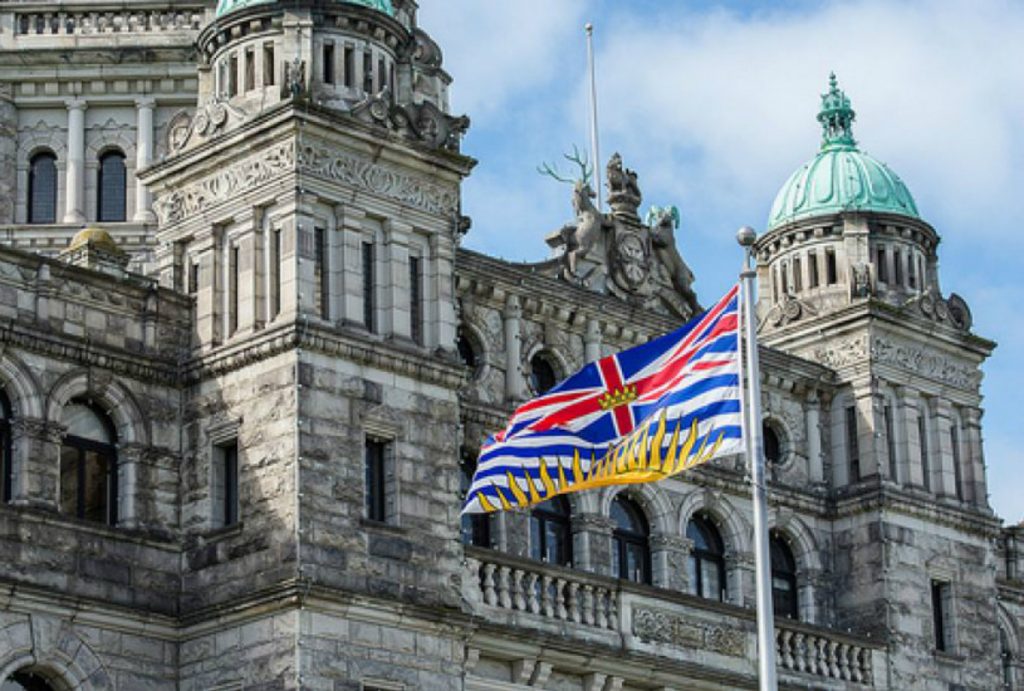
In February, at the dawn of President Trump’s tariff war, Premier David Eby vowed to cut red tape for resource and energy projects in British Columbia to “break down barriers to growth.” But while B.C. desperately needs regulatory reform, the Eby government instead proposed legislation on May 1 that would give Eby’s cabinet more discretionary power to make major decisions on what projects get approved and prioritized—and what projects don’t.
The proposal, which requires a majority vote in the B.C. legislature to become law, includes two bills.
Bill 14, the Renewable Energy Projects Act, will expand the authority of the BC Energy Regulator, an arm of the provincial government, to act as the single permitting authority for renewable energy projects and gives cabinet the ability to pick and choose which projects are worthy of being expedited. And Bill 15, the Infrastructure Projects Act, will allow the minister responsible for the project—whether its public or private, a school or a pipeline—the authority to expedite specific projects as they deem fit.
In other words, the Eby government’s solution to excessive regulation is not to eliminate or even reform regulations but rather to empower discretionary authority to cabinet members to override existing laws, rules and regulations, and pick winners and losers rather than actually reducing the regulatory burden faced by all businesses.


Again, to be clear, the province needs regulatory reform. Undue red tape imposes costs on businesses and deters investment in various areas including housing and energy development. And higher levels of regulation are consistently associated with lower levels of economic growth, which means less job creation and opportunity for workers across the income spectrum. In B.C., the number of provincial regulations has grown in recent years reaching 171,538 in 2024. The cost of regulations (compliance costs, etc.) increased from $6.7 billion in 2014 to $8.3 billion in 2024—an increase of more than 13 per cent.
Fortunately, B.C. can learn from its own past success. In 2001, the provincial government implemented reforms to significantly reduce the regulatory burden. The government appointed a minister with a well-defined mandate to reduce regulations, departments were required to report on their regulatory reforms, and goals were specific and measurable.
More specifically, the reforms required a 30 per cent reduction in existing regulations. And for every new regulation introduced, a regulation had to be eliminated. These reforms were so successful they were extended several times. At the same time, B.C.’s economic growth (inflation-adjusted), which had trailed Canada prior to the reforms, exceeded Canada’s in the years that followed.
But rather than pursue this successful approach, the Eby government has chosen to use U.S. tariffs to justify a naked power grab that will do nothing to reduce uncertainty or the cost of doing business in B.C. This also isn’t the first attempt by the Eby government to extend its powers. In March, Premier Eby proposed legislation to give himself and his cabinet the ability to unilaterally change almost any provincial law and regulation without legislative approval or review. After significant public backlash, the government backed down.
Once again, the government should rethink its latest proposed legislation with an eye on truly reducing the regulatory burden faced by all B.C. businesses.
Share This:






















INSIGHT: Canada’s Natural Resource Sector is at the Heart of the Government’s ‘Export & Diversification’ Plan