


 CDN NEWS |
  US NEWS







Summary
- Canadian light crude displaces Latin American imports to US West Coast
- Softer synthetic crude prices likely encouraged surge in imports, analyst says
- Higher export capacity helps Canada gain market share, another analyst says
(Reuters) – Canadian waterborne exports of light crude to the U.S. West Coast have surged since the Trans Mountain pipeline expansion (TMX) began operating in May, data shows, surprising some market participants who thought it would mainly be used to send heavy crude to Asia and California.
The increase in Canadian light crude flows into the U.S. is displacing imports from Latin American countries. It also underpins the role the U.S. plays as the most important customer for Canadian oil exports, even as TMX – which can carry a wide range of crude grades – boosts heavy crude shipments to Asia.
Waterborne imports of light synthetic and sweet crude into the U.S. West Coast rose to nearly 100,000 barrels per day (bpd) in September from just 7,000 bpd in June, the first full month of operations on the Trans Mountain pipeline expansion, data from trade analysis group Kpler showed.
Softer prices for synthetic crude, the bulk of the Canadian light grades that U.S. refiners buy, likely encouraged the surge in imports, said Rory Johnston, founder of the Commodity Context newsletter. Synthetic traded at a half-cent-a-barrel premium to West Texas Intermediate crude futures for most of the summer and through September, down from over $4 in April, Johnston noted.
The barrels delivered by tankers are in addition to the roughly 240,000 bpd being imported into Washington state via the Trans Mountain Puget Sound Pipeline, an offshoot of the main pipeline that can ship up to 890,000 bpd of crude from Alberta to Canada’s Pacific Coast.
A section of the Puget Sound Pipeline will be shut for about seven days in mid-November for planned maintenance.
That could lead to even higher waterborne imports of Canadian light barrels into the U.S. West Coast in the weeks ahead, as those shipped through Puget Sound are typically light grades, said Johnston.

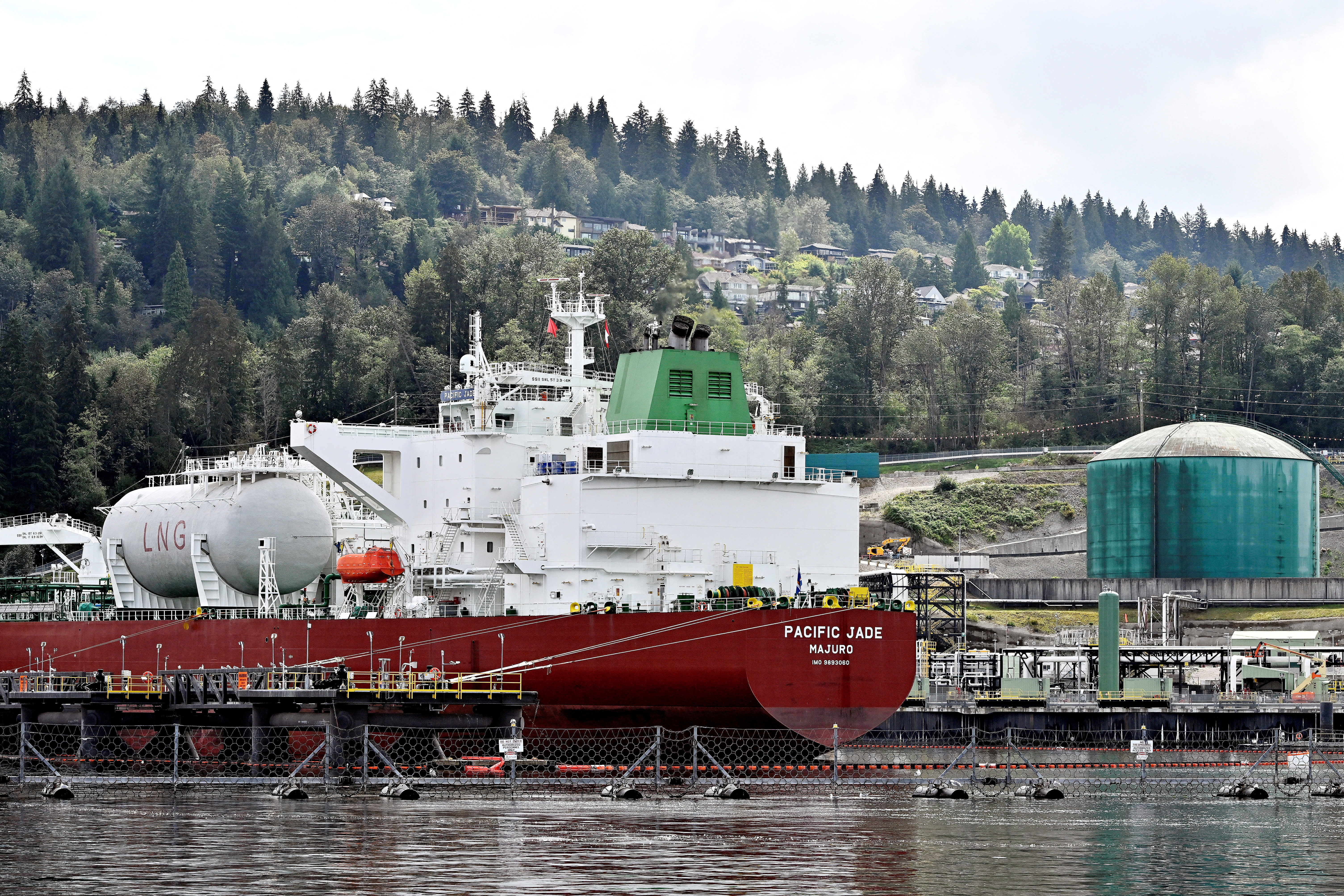
Vessel tracking data shows U.S. West Coast refiners have been importing high volumes of Canadian light crude oil from the Trans Mountain expansion, market participants originally expected the line to be used mainly for heavy crude


GAINING MARKET SHARE
Other crude grades that U.S. West Coast refiners have historically imported include medium-sweet barrels from Argentina and Brazil. However, higher Canadian export capacity is helping Canada displace those barrels and gain market share on the U.S. West Coast, Kpler analyst Matt Smith said.
“Since the TMX expansion started, Canadian barrels have been the leading waterborne supplier to Washington refineries in July, August and September – and so far in October too,” Smith said.
U.S. West Coast refiners also see Canadian light crude as a good alternative to medium-sour Alaska North Slope crude, a Calgary-based trader said.
“They have always wanted more Canadian light but they couldn’t really access it,” the trader said, adding that demand to move light crude barrels on TMX was more than market participants had anticipated before the startup.
“It’s not all heavy in the expanded line. That was the expectation and in the first month or so it was the case, but it’s slowly pivoted and now there’s a bit more light.”
A total of 14 shipments of crude oil have been delivered from Vancouver to Washington state since Trans Mountain started operating in May, Reuters ship tracking data shows. September was the busiest month with four shipments.
The shipments were delivered to Ferndale, Anacortes and Puget Sound, where Phillips 66, Marathon Petroleum and HF Sinclair have refineries.
Phillips 66 and Marathon declined to comment on their crude buying operations. HF Sinclair did not respond.
Share This:






















INSIGHT: Canada’s Natural Resource Sector is at the Heart of the Government’s ‘Export & Diversification’ Plan